
Uniqlo’s Global Rise Tests Retail Rivals and Redefines Basics
Uniqlo’s global rise is challenging rivals as the Japanese retailer expands across Europe and the US, reshaping retail with affordable minimalist basics.
Uniqlo has transformed from a domestic Japanese brand into a global retail force by leaning on simple design, tight cost control and rapid store rollouts. The company’s focus on unbranded, functional apparel has resonated with a broad shopper base, helping it capture market share in cities where it was once written off. While precise growth metrics vary by market, the broader trend is clear: Uniqlo’s model is pressuring traditional fashion chains and prompting strategic responses. Industry observers say the brand’s success stems as much from its operations and pricing as from its product aesthetics.
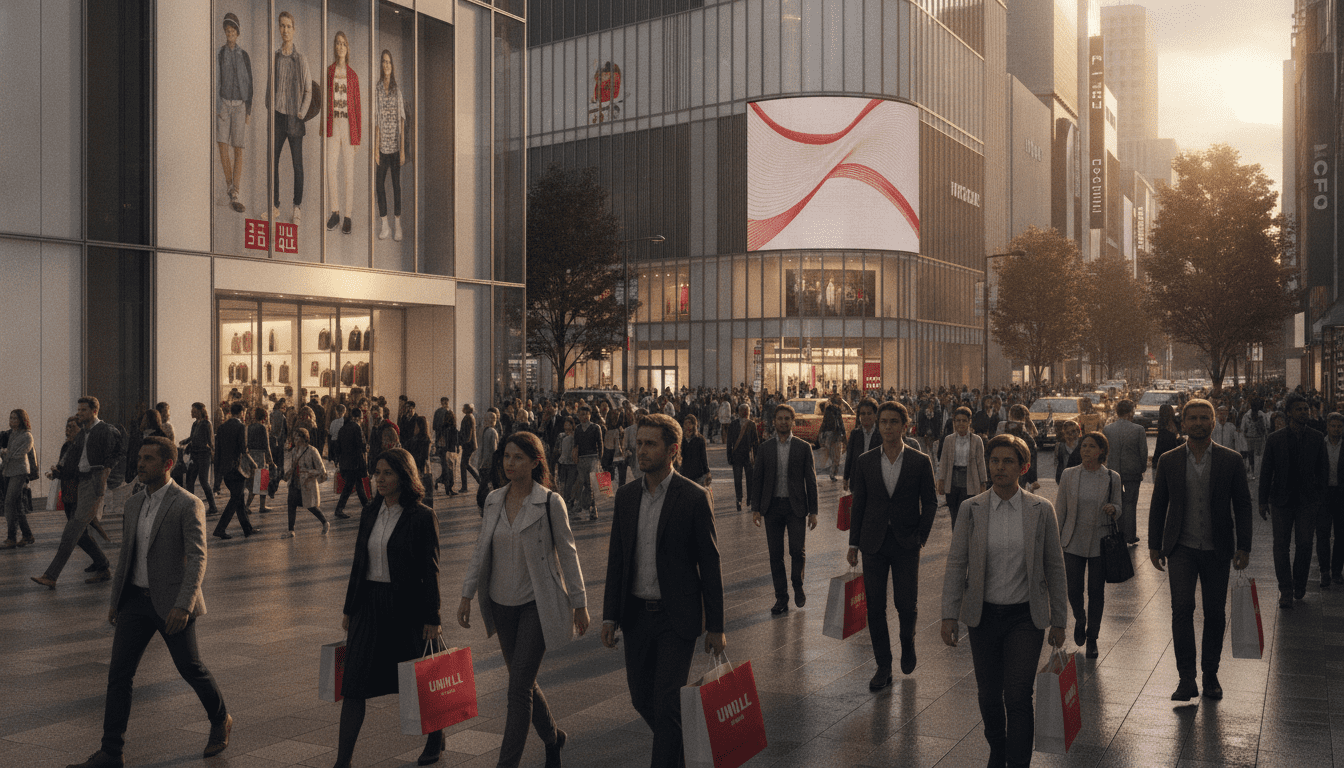
Rapid store expansion across Europe and North America
Uniqlo’s physical footprint has grown steadily, placing flagship stores in major shopping corridors and airport hubs to increase visibility. These locations serve both as sales engines and as marketing vehicles, showcasing the brand’s core ranges and seasonal collaborations. The retailer pairs large-format stores with compact urban outlets to reach differing shopper habits, a dual approach that helps capture tourists and local repeat customers alike. Expansion has also been supported by digital channels, which amplify product launches and streamline inventory flows.
Value strategy and product simplicity driving demand
Uniqlo’s appeal rests on a clear value proposition: durable, functional garments at accessible prices. The company emphasizes fabric innovation—such as heat-retaining or moisture-wicking materials—over seasonal trends, which reduces design complexity and supports consistent replenishment. This focus on staples and quality basics attracts a wide demographic, from budget-conscious shoppers to brand-averse consumers seeking reliable wardrobe foundations. By avoiding overt branding, Uniqlo positions itself as a utilitarian alternative to trend-driven fast fashion.
Competitive pressure on European and US apparel chains
Competitors in Europe and North America have felt the impact as Uniqlo carves out share in the basics category and everyday wear. Traditional mid-market chains face margin compression as customers gravitate toward Uniqlo’s blend of price and perceived quality. Some rivals have reacted with price promotions, expanded basics ranges or loyalty initiatives to retain customers. Others are rethinking store formats and merchandising to emphasize comfort, fit and fabric—areas where Uniqlo has built consumer trust.
Supply chain efficiency and inventory discipline
A critical element of Uniqlo’s strategy is lean inventory management and a closely monitored supply chain. By standardizing designs and negotiating scale with suppliers, the company reduces production costs and shortens lead times. Inventory discipline enables frequent, smaller shipments that keep stores stocked without overexposure to unsold seasonal fashion. This operational rigor also allows Uniqlo to test materials and product concepts at scale, quickly amplifying winners and phasing out underperformers.
Sustainability, transparency and public scrutiny
As Uniqlo grows, it faces heightened scrutiny on environmental and labor practices that come with large-scale apparel production. Consumers and advocacy groups increasingly demand transparency about sourcing, factory conditions and recycling initiatives. The brand has responded with sustainability programs focused on material innovation and clothing collection drives in some markets. Nonetheless, the balance between maintaining low prices and ensuring full supply-chain compliance remains a central challenge for the retailer and an area of ongoing public interest.
Strategic partnerships and brand collaborations
Collaborations have helped Uniqlo broaden its cultural reach while keeping core products consistent. Partnerships with designers and artists create short-term buzz and attract new audiences without disrupting the brand’s minimalist identity. Collaborations are typically structured to complement, rather than replace, the basics range—reinforcing Uniqlo’s reputation for functional essentials while offering periodic novelty. Such alliances also provide a marketing boost that supports store openings and seasonal promotions.
Looking ahead, Uniqlo is likely to continue refining its mix of store presence, digital commerce and fabric innovation as it seeks further geographic penetration. The retailer’s emphasis on simplicity and scale has reconfigured expectations for everyday garments and put competitors on notice. Whether Uniqlo can sustain rapid expansion while meeting rising demands for sustainability and workplace transparency will be central to its next phase of growth.
