
Municipal finances in crisis: German communes record nearly €32 billion shortfall in 2025
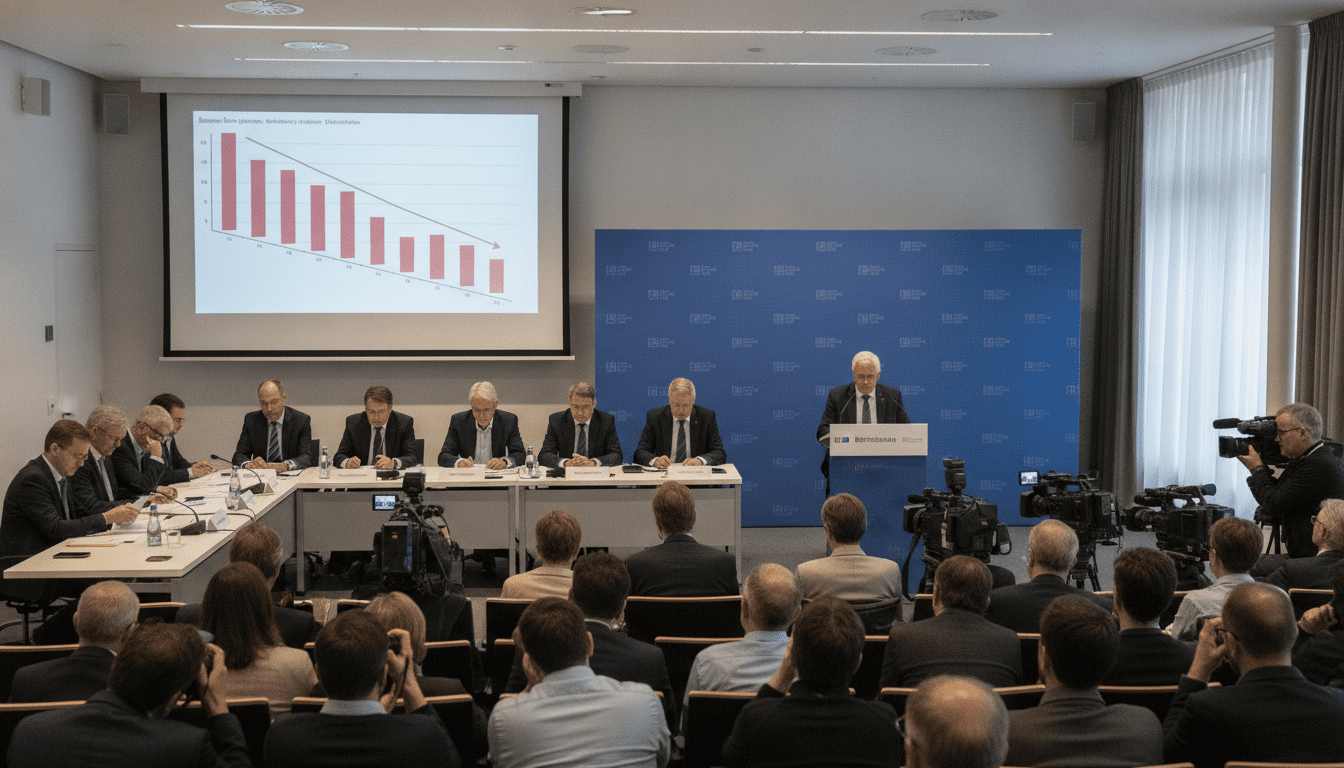
Municipal finances in Germany plunged to a record €32 billion deficit in 2025, pushing total local government debt close to €200 billion and prompting urgent calls for structural reform.
Record Shortfall of Nearly €32 Billion in 2025
The biennial Kommunaler Finanzreport published by the Bertelsmann Stiftung reports a near €32 billion deficit for towns, districts and municipalities in 2025, the largest gap in the study’s history. Total communal indebtedness surged toward the €200 billion mark, reflecting a deterioration across most federal states.
The Federal Statistical Office had already signalled a widening shortfall earlier in the year, adding weight to the foundation’s out-of-cycle analysis conducted with the Technical University Wildau and an expert council. The scale of the imbalance has reignited political debate over responsibility and emergency measures at federal and state levels.
Social Spending and Personnel Costs as Primary Drivers
Authors of the report identify rising social expenditures and personnel costs as the principal drivers of the 2025 deficit. Spending pressures from statutory social obligations and wage-related items have outpaced local revenue growth, eroding operating balances across municipal budgets.
The study underscores that these cost categories are not transient but structural, linked to demographic shifts, service mandates, and collective bargaining outcomes. Without targeted reform, the report warns that municipalities will face continued annual strain on core services.
Economic Slowdown Dampens Local Revenues
A weaker macroeconomic environment in 2025 further reduced tax receipts and other local revenues, compounding the fiscal squeeze on municipalities. Lower business activity and reduced property-related income contributed to a decline in the fiscal space available to local authorities.
The combination of higher mandatory spending and constrained revenues means many communes are exhausting reserves or deferring investment, creating risks for service delivery and infrastructure maintenance. Analysts in the report say this dynamic raises the prospect of a longer-running cycle of underinvestment at the local level.
Impact Reaches Wealthy States Including Bavaria and Baden-Württemberg
The report highlights a notable shift: economically strong regions such as Bavaria and Baden‑Württemberg are significantly affected by the municipal crisis. This pattern contrasts with past downturns when fiscal pain tended to concentrate in weaker-performing states.
Bertelsmann Stiftung researchers stress that the broad geographic footprint of the shortfall demonstrates the systemic nature of the problem. As a result, any effective response will require coordinated action across federal, state and municipal tiers rather than isolated regional interventions.
Thuringia Remains an Outlier with a Small Surplus
Thuringia is identified in the report as the only federal state to post a surplus in both 2024 and 2025, though the margin narrowed markedly. The surplus fell from €277 million in 2024 to €105 million in 2025, illustrating that even relatively well-managed budgets are coming under pressure.
The foundation cautions that Thuringia’s position should not be read as immunity from the nationwide trend. The decline in its surplus signals weakening buffers and underscores how limited fiscal headroom has become, even where short-term balances remain positive.
Bertelsmann Foundation and Experts Call for Structural Reform
Brigitte Mohn, chair of the Bertelsmann Stiftung, said the scale of the 2025 shortfall requires joint solutions from the federal government, the Länder and municipal governments to prevent long-term erosion of infrastructure and public services. The report advocates comprehensive reform of municipal financing to address both revenue volatility and rising expenditure mandates.
The foundation’s out-of-cycle analysis — conducted alongside the Technical University Wildau and an expert advisory group — outlines options including changes to intergovernmental transfers, targeted investment support, and a reexamination of responsibilities between levels of government. Policymakers face trade-offs between immediate relief measures and deeper, politically sensitive structural changes.
Municipalities are already responding with a mix of cost containment and delayed investment, but the report suggests those steps will be insufficient without systemic adjustments. The authors argue that preserving local service capacity and infrastructure will require a long-term strategy agreed across the federal system.
The municipal finance crisis of 2025 sends a clear signal that Germany’s current framework for funding local government is under strain, and that coordinated reform will be needed to safeguard services and infrastructure for years ahead.
