
Bank of Palestine Account Freezes in Gaza Leave Residents Cut Off from Salaries and Aid
Bank of Palestine account freezes in Gaza leave residents unable to access salaries, aid and savings, worsening humanitarian and economic hardship for families.
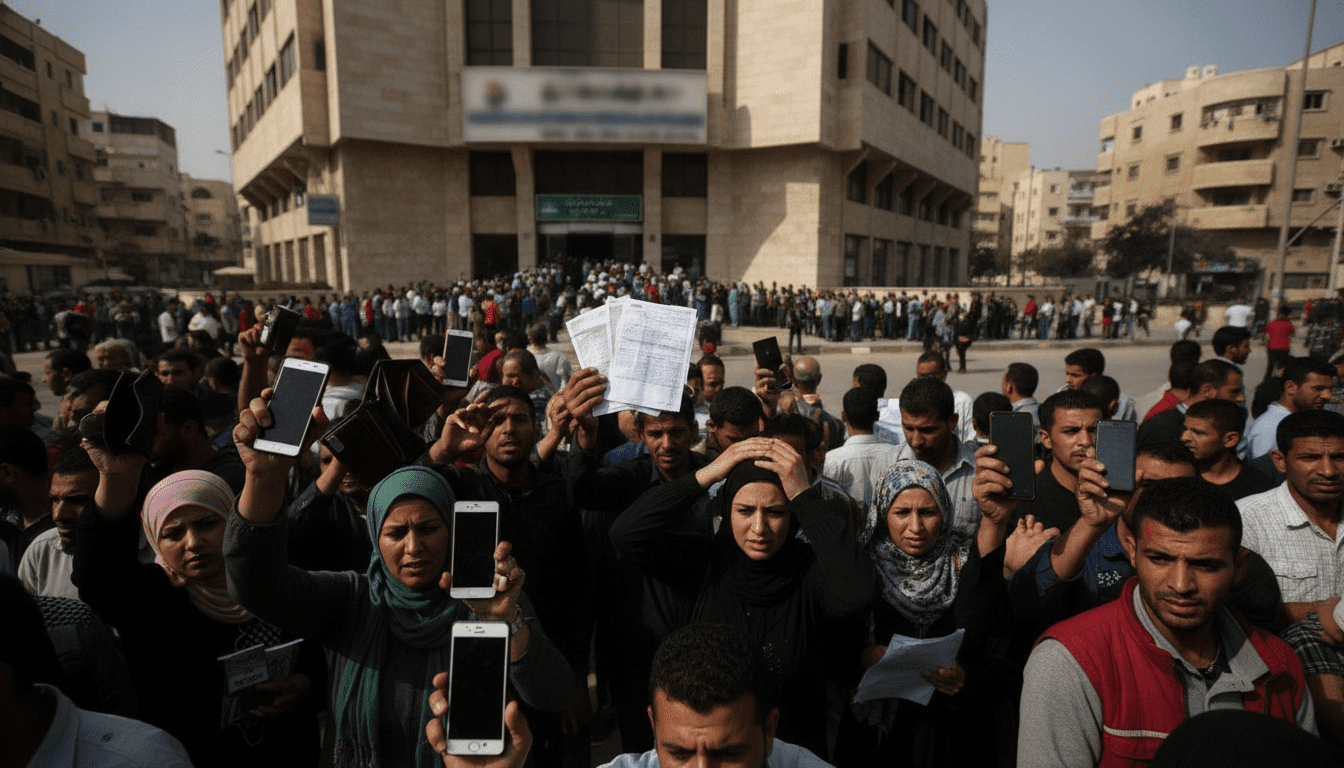
Palestinians in Gaza say the Bank of Palestine has frozen or closed customer accounts without clear explanation, leaving many unable to withdraw salaries, receive humanitarian payments or access personal savings. The restrictions have affected digital wallets linked to bank services and intensified financial strain amid an acute cash shortage across the territory. Account holders report receiving little information about why accounts were restricted and no clear route to appeal, deepening uncertainty for households dependent on electronic transfers. The closures coincide with widespread reliance on mobile banking after physical cash became scarce and notes deteriorated.
Families report immediate loss of wages and aid
Several Gaza residents said they discovered their accounts blocked when attempting routine transfers or checking balances on banking apps. One account holder reported trying to send money and finding both the main account and linked digital wallets inaccessible, leaving them unable to pay rent or buy food.
Local vendors and salaried workers described delays in receiving wages and humanitarian stipends that normally flow through bank channels. The sudden loss of access has forced some families to rely on informal loans or charity networks to meet basic needs.
Digital wallets and liquidity shortages magnify impact
Gaza’s chronic liquidity shortages have pushed many people to rely on mobile banking and digital wallets for daily transactions. When bank accounts are restricted, linked services such as PalPay and Jawwal Pay have also been reported suspended, cutting off multiple access points simultaneously.
Digital wallets were adopted widely after banknotes became hard to circulate and physical cash supplies dwindled. The combined suspension of accounts and wallets reduces options for transfers inside Gaza and for remittances from outside, amplifying economic disruption.
Customers describe opaque decisions and no appeals process
Account holders said they received scant notice or formal explanation from the bank, and that customer-service channels provided inconsistent information. Several people told journalists they were not given a clear procedure to contest account restrictions or to request emergency access for critical payments.
Civil-society representatives expressed concern that opaque banking decisions could disproportionately affect the most vulnerable, including families dependent on humanitarian assistance and people with fixed monthly incomes. Calls for transparent criteria and a timely appeals mechanism have grown louder as the number of affected customers has become clearer.
Local economy and markets feel knock-on effects
Traders and market sellers reported a drop in consumer spending as residents found it harder to access funds, with small purchases often deferred or settled informally. The interruption of payroll and commercial transfers has rippled through supply chains, affecting stock replenishment and vendor liquidity.
Analysts caution that even temporary disruptions to banking services can erode trust in formal financial channels, pushing transactions further toward the informal sector. That shift would complicate humanitarian delivery and financial planning for businesses already operating under severe constraints.
Regulatory scrutiny and responses from aid groups
Humanitarian organizations and local consumer advocates have called for swift clarification from banking authorities and institutions to prevent further harm. Aid providers say predictable banking channels are essential for distributing assistance efficiently and for enabling beneficiaries to buy essentials in local markets.
Regulators and oversight bodies may be urged to review any widespread account actions and to require banks to publish clear guidance on account restrictions, specified timelines for reviews, and emergency procedures for households reliant on aid or wages.
Bank of Palestine under pressure to explain actions
The pattern of frozen and closed accounts has placed the Bank of Palestine under public scrutiny, with customers demanding explanations and remedies. Observers note that banks operating in high-conflict, cash-scarce environments must balance compliance and risk management with humanitarian considerations.
Financial institutions in the region face complex operational challenges, including disrupted correspondent banking relationships, compliance demands, and the technical difficulty of servicing large numbers of customers during crises. Nevertheless, advocates stress the need for clear, timely communication to minimize harm to civilians.
Local residents and community leaders are continuing to document cases and assemble requests for redress, while aid agencies press for mechanisms that allow urgent access to funds for the most vulnerable. The unfolding situation highlights how banking restrictions, when unexplained and unrevealed, can quickly translate into wider economic and humanitarian consequences for people already living under severe strain.
