
U.S. launches Section 301 probe into German drug pricing, raising tariff threat to pharma
U.S. opens Section 301 probe into German drug pricing, examining whether Germany underpays innovative medicines; tariffs or trade steps could hit pharma firms.
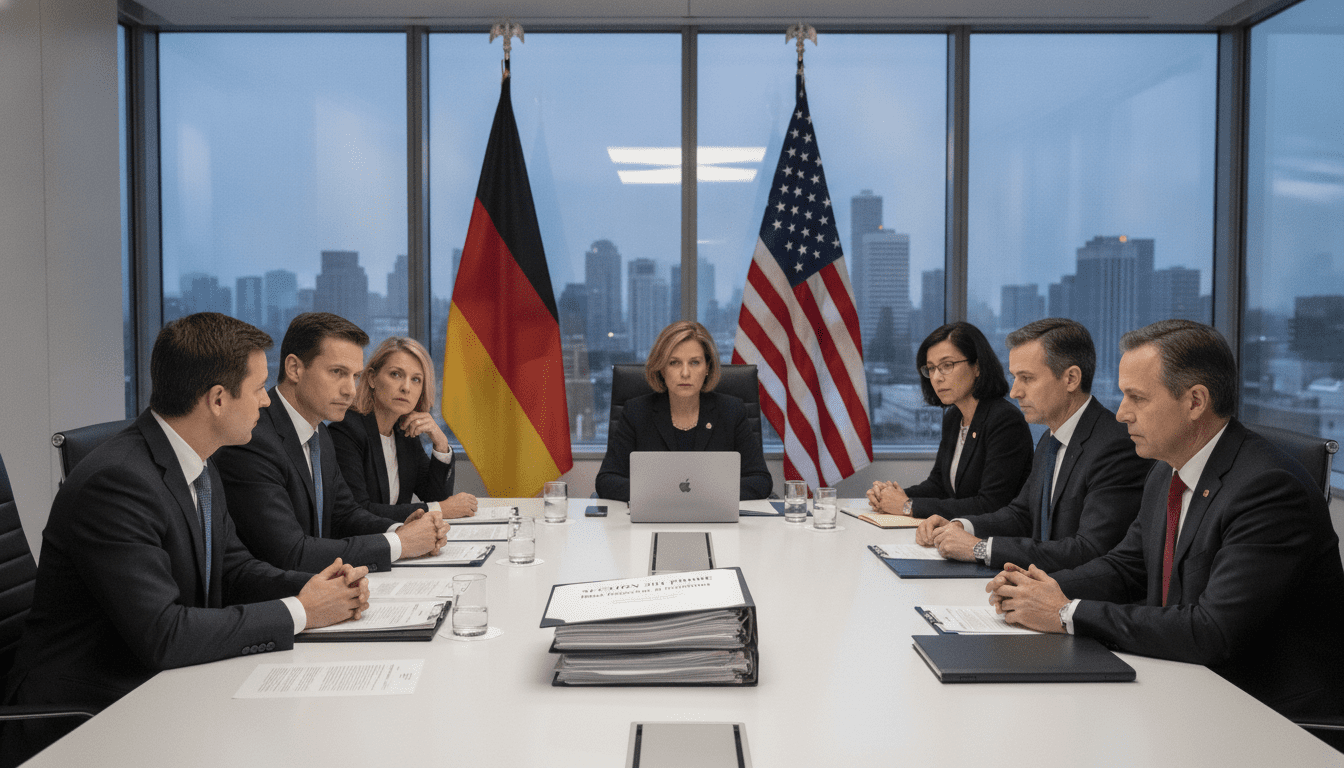
The United States has opened a Section 301 probe into German drug pricing, alleging that Germany may systematically underpay for innovative medicines and thereby burden American manufacturers. Trade Representative Jamieson Greer said months of talks with German counterparts failed to resolve the dispute, and Washington is now examining whether Berlin’s pricing practices discriminate against U.S. industry. The investigation arrives as the German parliament debates a health-care reform aimed at cutting pharmaceutical spending, creating a tense overlap between trade policy and domestic health politics.
U.S. trade office cites imbalance in research funding and market returns
The U.S. trade office argues that American patients and taxpayers shoulder a disproportionate share of global pharmaceutical research and development costs. In its statement, the office pointed to analyses suggesting the U.S. market generates a large share of global pharma profits — figures cited range from roughly 62 to 78 percent — even though the United States accounts for only a small share of world population. The trade office also noted that U.S. public funding of early-stage research through agencies such as the National Institutes of Health contributes to the R&D pipeline that private firms later commercialize.
Section 301 mechanism and possible sanctions
Section 301 of U.S. trade law allows the administration to investigate foreign practices that it deems unfair and to impose remedies, including tariffs or other trade restrictions. If the probe concludes that German pricing policies unlawfully burden American commerce, the United States could respond with punitive duties, product-specific restrictions, or negotiated remedies aimed at raising effective prices. Greer framed the action as an attempt to secure a negotiated outcome, but officials warned that formal countermeasures remain on the table if talks break down.
Timing intersects with German health reform debate
The probe comes at a politically sensitive moment in Berlin, where lawmakers are considering a package of reforms intended to rein in drug spending within Germany’s statutory health insurance system. U.S. officials explicitly referenced proposed measures in Germany as a factor in the decision to open the investigation, saying the changes could further reduce reimbursement levels for innovative medicines. German policymakers argue that price controls help contain health-care costs and ensure access, while Washington views aggressive price-setting as a potential driver of “free-riding” on U.S.-funded innovation.
White House strategy and diplomatic precedents
U.S. officials pointed to recent diplomatic deals as models for resolving pricing disputes, including agreements the United States has pursued with other advanced economies to promote investment and fair returns. The trade office said it hopes to reach a bilateral understanding that improves German patient access to new medicines while ensuring U.S. companies receive equitable compensation. The announcement follows earlier moves by the U.S. administration to press pharma companies on pricing and to seek commitments for domestic investment in exchange for price concessions.
Industry and political reactions expected in Berlin and Washington
Pharmaceutical companies and trade associations are likely to mount a vigorous response, stressing the complexity of global pricing, regulatory differences between markets, and the role of public payers in setting reimbursements. German health officials and insurers may defend current mechanisms for negotiating prices as necessary to protect public budgets and universal coverage. Lawmakers in both countries face choices that could affect investors, patients, and cross-border supply chains, and the probe may prompt lobbying on Capitol Hill and in the Bundestag as stakeholders seek to shape any negotiated settlement.
The case now moves into an investigative phase during which the U.S. trade office will gather evidence, hold consultations, and solicit public comment before reaching a determination. If the probe advances toward remedial action, the measures could take months to be defined and implemented, leaving companies and governments to weigh the costs of trade escalation against the benefits of compromise.
Beyond immediate trade implications, the dispute highlights deeper tensions in global pharmaceutical financing: how to balance public efforts to limit prices and spending with the need to sustain incentives for costly drug development. As negotiations proceed, both sides will have to reconcile competing policy priorities while managing the risks to patients and markets.
