
Cristiano Ronaldo Faces Sharp Criticism After Portugal’s 1-1 Draw with DR Congo
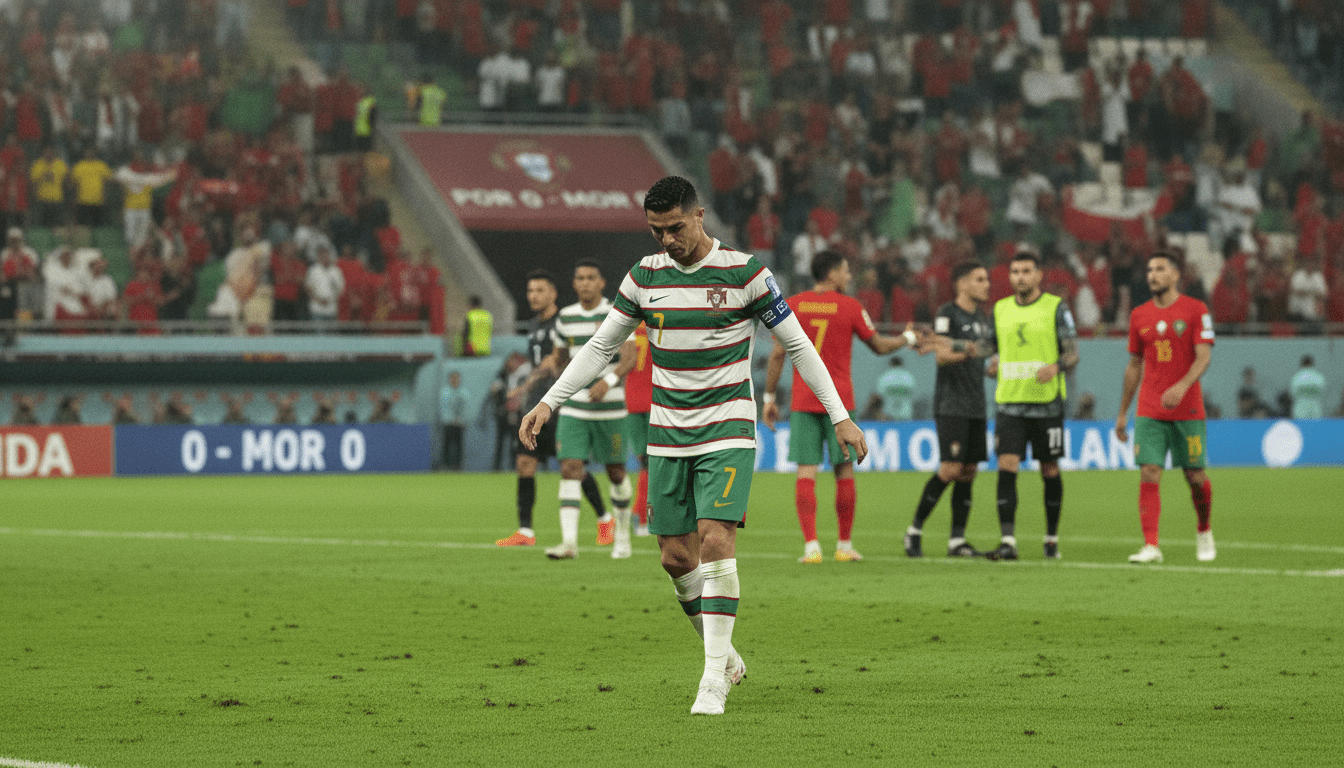
Cristiano Ronaldo drew fresh criticism after a muted display in Portugal’s opening 1-1 World Cup draw with the Democratic Republic of Congo, raising questions about his role in the side. The 41-year-old captain left the stadium visibly frustrated after a match in which he had no shots on target and limited involvement.
Match fallout and immediate reaction
Portugal opened the tournament when João Neves put the team ahead in the sixth minute, but Yoane Wissa equalised deep into first-half stoppage time to leave the score level at 1-1. Ronaldo, who has been the focal point of Portugal’s attack for nearly two decades, was not among the scorers and exited the venue without speaking to reporters.
Portuguese national papers responded sharply, with Público suggesting the team had leaned too heavily on Ronaldo’s reputation and Expresso calling his influence “ineffective” on the night. Those headlines set the tone for wider debate about whether the veteran forward should remain the centrepiece of Portugal’s strategy.
Pundits and rivals question Ronaldo’s approach
Former France striker Thierry Henry, working as a television analyst, accused Ronaldo of prioritising personal scoring chances over team movement, arguing that his refusal of certain runs hindered teammates’ opportunities. Henry’s critique followed similar commentary from other broadcasters who observed a lack of interplay and mobility from Portugal’s captain.
The criticism extended beyond pundits to rival players and commentators who noted that high-profile forwards elsewhere in the tournament had made decisive impacts on the opening day. That contrast amplified scrutiny of Ronaldo’s performance rather than softening it.
Statistics underline a subdued performance
Match statistics painted a stark picture: Ronaldo registered no shots on target, completed no dribbles that led to chances and recorded fewer ball contacts than DR Congo’s goalkeeper. Observers highlighted those numbers as evidence that the 41-year-old was peripheral to Portugal’s attacking phases.
Analysts pointed to an 802-minute goal drought at major tournaments and a string of matches without a strike as context for the growing unease. Those figures were used to question whether Ronaldo’s current output matches the expectations placed on him.
Coach Martínez faces selection dilemma
Head coach Roberto Martínez, who has indicated he will step down after the World Cup, sought to temper the reaction by stressing the group stage is the time to find rhythm and improve. Martínez praised the team’s attitude while acknowledging the need for better execution in possession and chance creation.
Despite that reassurance, Martínez now confronts a difficult selection decision for the next fixture against Uzbekistan: persist with Ronaldo as the tactical axis or alter the set-up to give attackers with different movement and finishing profiles more license. The choice carries strategic and symbolic weight given Ronaldo’s status in the squad.
Comparisons with other tournament stars
The opening matchday saw Erling Haaland, Kylian Mbappé and Harry Kane among those who found the net regularly, while Lionel Messi enjoyed a particularly prolific start for his team. Those displays accelerated discussions about athletic peak, adaptation and the evolving demands on elite forwards.
Journalists and coaches used those performances to highlight the need for dynamic movement and link-up play in modern international football, suggesting Portugal must balance reverence for history with pragmatic selection and tactics.
Media scrutiny and national expectations
Portuguese outlets framed the draw as a warning signal rather than a catastrophe, noting that a group-stage stumble can still be remedied if the squad adapts quickly. Columns emphasised that Ronaldo’s legacy is monumental but that national team success depends on collective performance rather than individual reputation.
Some voices within the Portuguese media questioned whether continuing to build the team around a 41-year-old captain is sustainable if the on-field returns remain limited. That debate is likely to intensify as Portugal progresses through the tournament and faces teams where tactical flexibility will be crucial.
Portugal now has little time to recalibrate before its next match, and the coaching staff must decide how best to harness experience without compromising mobility and chance creation. The coming days will determine whether Ronaldo reclaims a central, productive role or whether Portugal shifts toward a different offensive blueprint to chase advancement from the group.
