
Vonovia expropriation debate intensifies as CEO warns of harassment and investor risk
Vonovia expropriation debate heats up as CEO Luka Mucic warns of harassment and investor risk, proposing targeted regulation while Berlin readies a referendum.
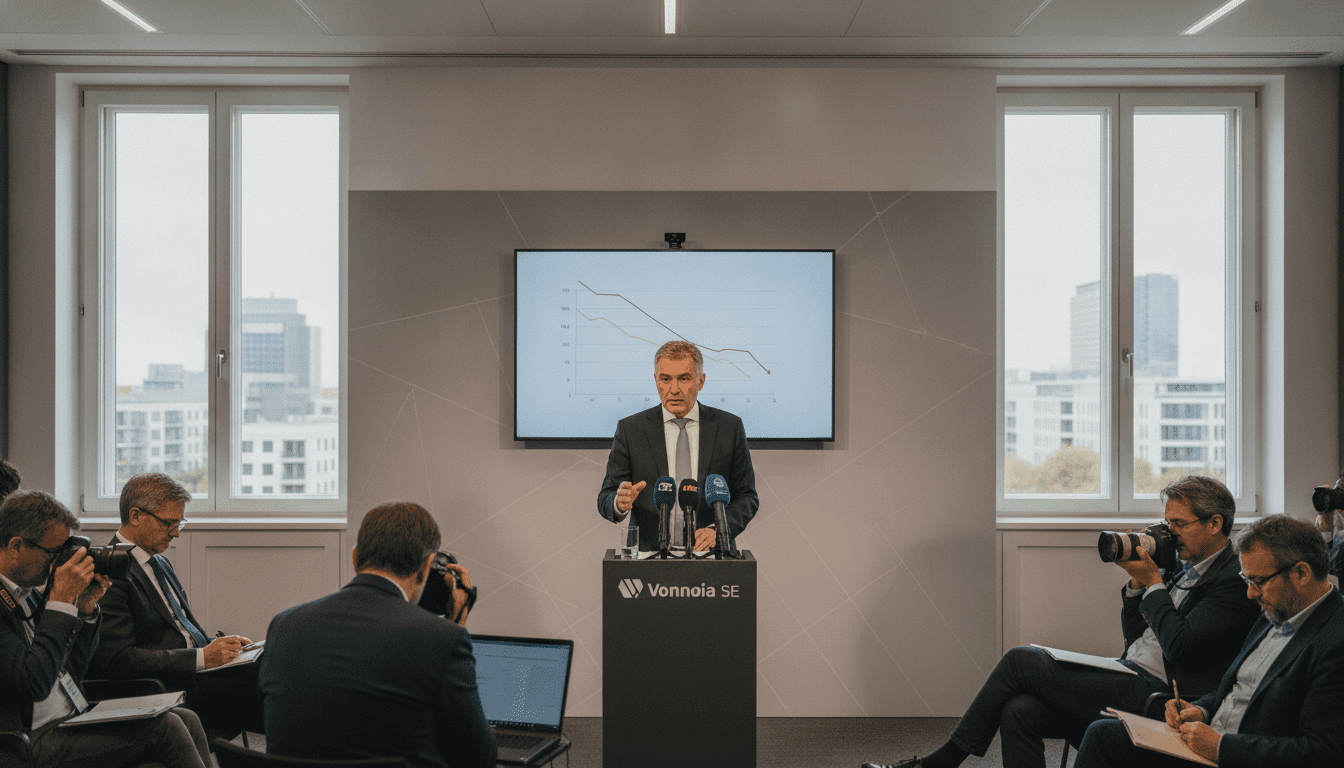
Vonovia’s chief executive, Luka Mucic, warned Tuesday that the Vonovia expropriation debate has returned with sharpened political rhetoric and rising tensions on the ground. Speaking in Düsseldorf to the Wirtschaftspublizistische Vereinigung, Mucic said instances of hostility — including attacks on company vehicles and verbal abuse of employees — are being seen in German cities. He framed the dispute as more than political theater, arguing it carries concrete consequences for residents, staff and investors alike.
CEO describes rising public hostility
Mucic told the audience that employees wearing company insignia have been confronted in public transport and that a minority of incidents have escalated to property damage. He said the tone of public debate, in his view, has contributed to an unfair and sometimes dangerous atmosphere toward staff. The remarks reflect growing unease among large landlords about how tenant activism and political campaigns are being conducted.
Berlin initiative and planned referendum
The renewed debate is driven in part by activists in Berlin who aim to transfer large private housing portfolios into public ownership. The initiative behind the 2021 campaign that won popular support is again pushing for a direct vote, with plans to present a concrete legislative text by 2027 covering roughly 220,000 apartments. Meanwhile the Berlin House of Representatives has adopted a framework law intended to regulate potential transfers, with implementation steps scheduled over the next two years.
Political friction with Die Linke and parliamentary debate
The left-wing party Die Linke has urged tenants to report negative experiences with large landlords on a public platform and has kept the issue in the national political spotlight through recent Bundestag debate. Mucic said Vonovia has replied in writing and offered to meet party representatives, but no in-person talks have taken place so far. The exchanges underscore a broader political split over how to address affordability while maintaining legal and investment certainty.
Concerns about investment and construction shortfall
Vonovia has argued that heightened talk of expropriation deters the private capital the country needs to meet its housing targets. Mucic estimated that roughly €100 billion per year would be required to achieve ambitions of adding about 320,000 new dwellings annually across Germany. He warned that shrinking investor appetite would complicate efforts to close the gap between housing supply and demand and jeopardize planned construction programs.
Vonovia proposes a targeted quota and relief measures
In response to the political pressure, Mucic outlined a regulatory proposal that would require major landlords to allocate one-third of their stock to tenants entitled to social housing, with priority access for those holding housing-benefit certificates. He suggested that stronger protections and price controls could apply to that segment while regulatory relief and more liberal price formation govern the remaining two-thirds of portfolios. The company also proposed a hardship-management mechanism to shield vulnerable households from abrupt changes.
Rental levels and market context in Berlin
Vonovia highlighted its own rental figures to underscore its position in the Berlin market, noting average rents in its Berlin portfolio of about €8.17 per square meter. The company said this figure sits below its national portfolio average and is not, in its view, the primary driver of dysfunctional price dynamics in the capital. Executives point instead to a mismatch between supply and demand, illegal subletting and other structural issues that they say push market rents upward.
State-level consensus and legal limits to expropriation
Officials at a recent conference of state building ministers reportedly moved to set clearer legal boundaries on the use of expropriation as a policy tool. That emerging consensus reflects concern in regional governments about the legal complexity, fiscal cost and administrative burden of large-scale takeovers of private housing stock. Observers say any attempt to implement broad transfers would face procedural hurdles and protracted judicial review.
With Berlin scheduled for state elections in September and activists mobilizing for another vote on housing ownership, the coming months will test whether political momentum translates into legally binding change or leads to negotiated regulatory compromises. The stakes are high for tenants seeking relief, for local governments managing housing scarcity, and for private firms whose access to capital and development pipelines may be affected by shifting policy signals.
