
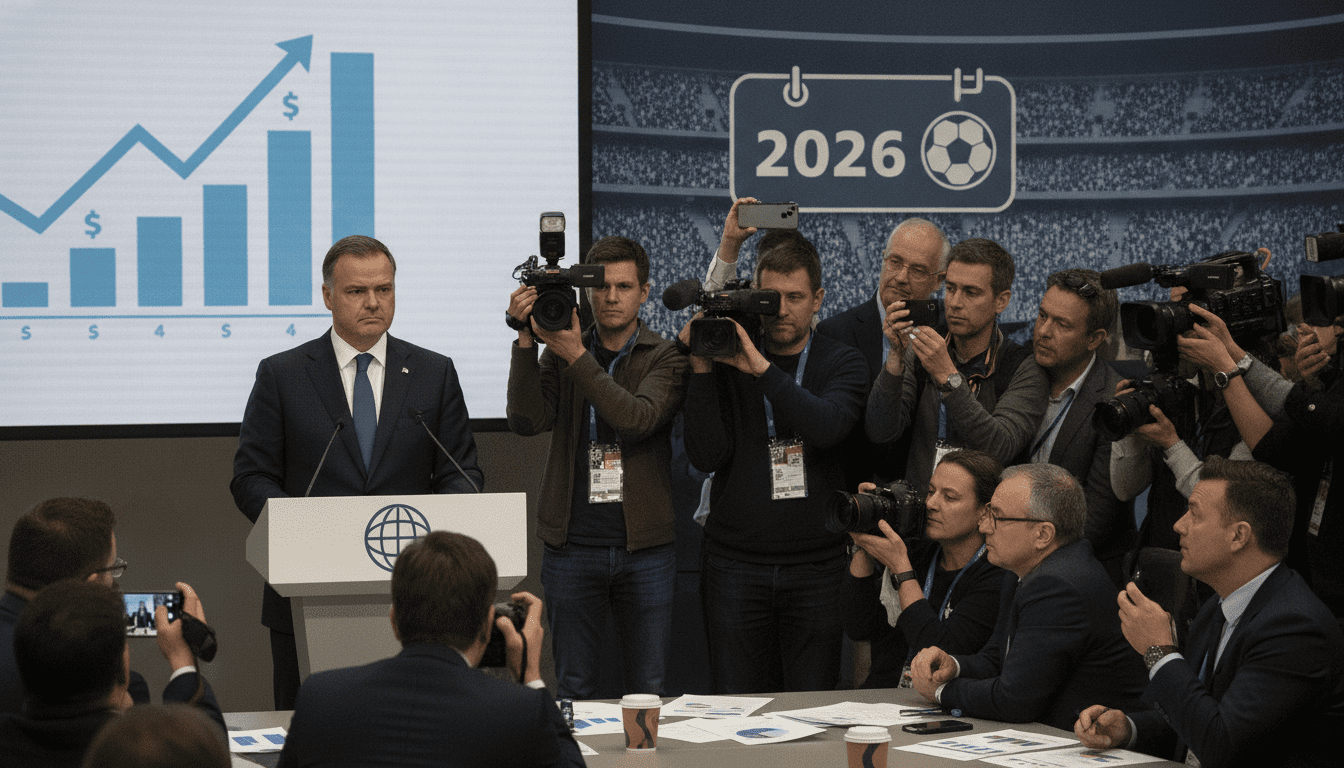
World Cup 2026 Ticket Prices Ignite Scrutiny as Infantino Seeks to Calm Critics
Soaring ticket and parking costs for the World Cup 2026 have sparked public debate over FIFA’s pricing and resale practices, prompting President Gianni Infantino to promise action. Fans and consumer advocates say dynamic pricing and expensive event logistics risk putting matches out of reach. The dispute raises broader questions about governance, market norms in host countries, and how the sport is funded.
Infantino Addresses Early Backlash
Gianni Infantino publicly urged critics to “relax” and assured stakeholders that FIFA was working on solutions to initial problems surrounding the World Cup 2026. His intervention aimed to contain criticism over ticket distribution and the role of resale platforms, two issues that have rapidly attracted media and fan attention. The president’s remarks reflect an attempt to balance organizational interests with growing public frustration.
Escalating Ticket and Parking Costs
Reports from multiple venues highlight a steep rise in prices for match tickets and associated services such as parking, where fees in the United States are being priced in line with local market practices. Dynamic pricing—where costs rise and fall according to demand—has pushed average prices higher than many fans expected. For supporters traveling long distances, combined costs for tickets, transport and parking are a significant financial burden.
Secondary Market and FIFA’s Financial Exposure
Resale platforms and secondary-market mechanisms have amplified concerns by enabling rapid markups that benefit brokers and, critics say, FIFA indirectly through fees and partnerships. The structure of official resale systems and the extent to which the governing body benefits remain central to the debate. Consumer advocates argue that greater transparency around revenue flows and platform fees is necessary to restore trust.
Comparisons with Past Tournaments’ Controversies
While the World Cup 2026 did not attract the same degree of geopolitical controversy as some earlier tournaments, observers note a continuity of uncomfortable patterns involving commercial decisions and governance choices. Questions about venue selection, commercial deals and stakeholder influence have returned to the foreground as pricing and fan access issues escalate. The evolving criticism is less about site selection this time and more about how the economic model affects ordinary supporters.
Host Market Practices and Cultural Context
Organizers in the United States, Canada and Mexico are operating within different regulatory and market norms, particularly in the U.S. where dynamic and premium pricing are widespread for major events. That context helps explain some pricing choices but does not erase the perception that FIFA and hosts are enabling exclusionary costs. Policymakers and local authorities may face fresh pressure to intervene or to require clearer caps and protections for ticket buyers.
Calls for Governance and Ticketing Reform
The controversy has reignited calls from fans, consumer groups and some officials for reforms that would safeguard access and curb speculative resale activity ahead of the tournament. Proposed measures include clearer limits on markups, enhanced oversight of official resale channels, and stronger rules binding host associations and commercial partners. Advocates say such steps would be practical, enforceable and necessary to preserve the integrity of major international competitions.
Fans, sponsors and national associations now await concrete policy moves from FIFA and the host organizing committees. The next weeks will test whether pledges to “find a solution” translate into enforceable changes that moderate prices and make matches accessible to a broader public.
Public pressure, regulatory scrutiny and continuing media attention are likely to shape the operational decisions that remain. If authorities push for transparency and tighter controls, the World Cup 2026 could set new precedents for how global tournaments balance commercial revenue with fan access and fairness.
