
Iran Signals New Strait of Hormuz Fee Regime as Tehran Seeks Control of Passage
Iran says it will alter management of the Strait of Hormuz and may charge for transit, a move that could reshape global shipping and energy markets.
Iran’s foreign minister frames policy shift
Iranian Foreign Minister Abbas Araghchi said Tehran will not revert to the pre-war status quo in the Strait of Hormuz and described the waterway as belonging to Iran and Oman, adding that Iran will ensure safe passage for vessels that meet its conditions. (apnews.com)
Araghchi’s comments stopped short of a full legal blueprint but signalled a sustained change in Tehran’s approach to the strategic chokepoint that handles a large share of the world’s seaborne oil. (tasnimnews.ir)
Creation of a transit authority and ‘service fees’
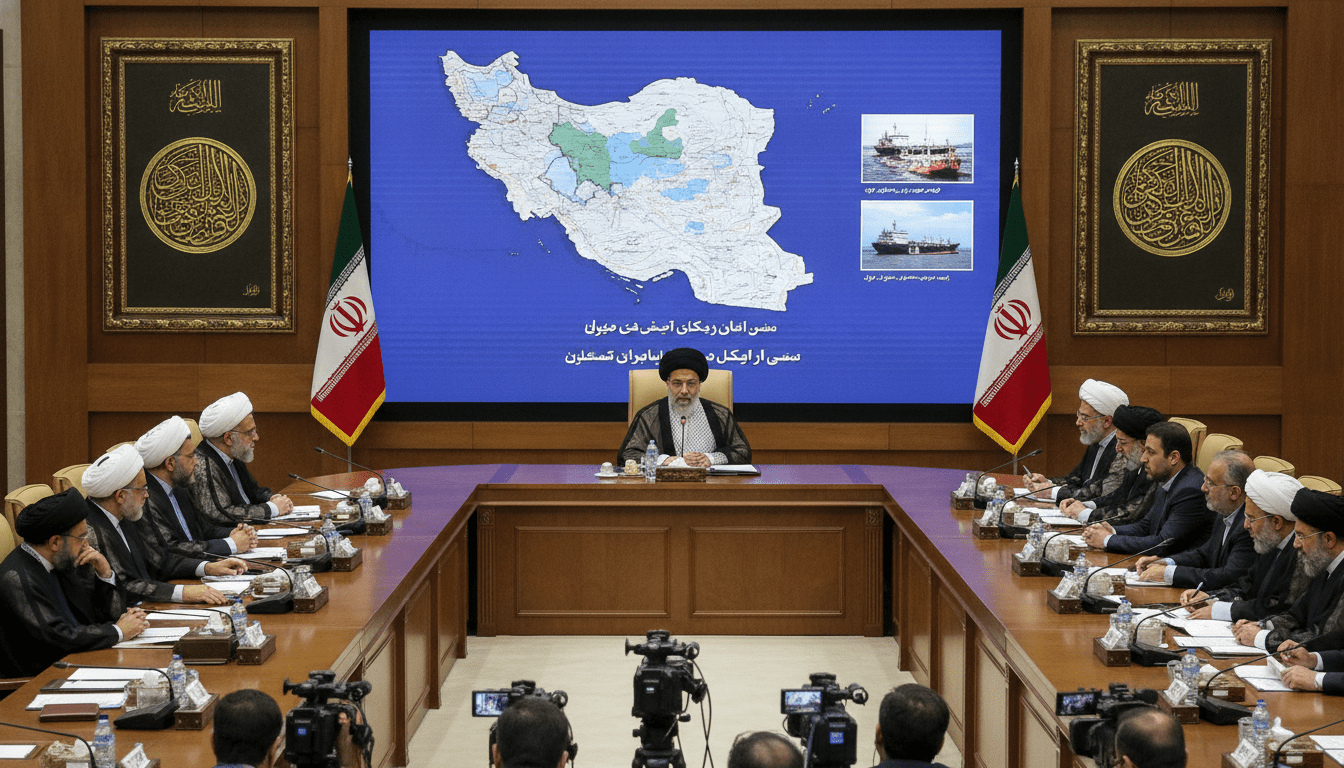
In recent weeks Tehran has moved to formalize control by establishing a Persian Gulf Strait Authority, an entity Iran says will manage ship transits and levy fees for navigational services and security. (euronews.com)
Iranian officials describe the payments as fees for services — such as escorts, vetting and navigational assistance — rather than unilateral tolls, a distinction Tehran argues is consistent with its interpretation of maritime law. (egyptindependent.com)
Parliamentary backing for charges on shipping
Iran’s parliament has debated and advanced proposals to enshrine a fee regime for vessels using the Strait, with lawmakers drafting measures that would formalize rial-denominated charges and specify exemptions and restrictions. (chosun.com)
Supporters in Tehran portray the plan as a sovereign response to security threats and unilateral sanctions, while critics warn that a compulsory payment system would effectively convert transit rights into a pay-to-pass privilege. (chosun.com)
Regional and international legal pushback
Gulf states, Western capitals and major shipping organisations have rejected Tehran’s claims to impose compulsory transit payments, warning that freedom of navigation under established international law prohibits tolls for passage through an international chokepoint. (euronews.com)
The European Union has moved to counter measures it views as threats to navigation, listing individuals and entities linked to the new regime as part of wider restrictive measures, and multiple governments have instructed vessel operators to exercise caution and not to comply with Tehran’s unilateral demands. (consilium.europa.eu)
Operational measures on the water
Shipping firms and maritime officials say Iran has already instituted checkpoints, vetting procedures and selective escorts in parts of the strait, and that some vessels have been charged for security services during transit. (iranintl.com)
Those operational steps, industry sources report, create de facto control points that allow Iran to influence which ships pass and under what conditions, raising practical questions about insurance, liability and the cost of compliance for shipowners. (iranintl.com)
Potential impact on oil markets and global trade
Market analysts warn that formalised fees or selective restrictions on shipping through the Strait of Hormuz — even if framed as service charges — could add costs to oil and commodity shipments and increase volatility in energy markets. (axios.com)
Higher operational costs, disrupted routing, or the added risk premium for vessels operating in the region would likely be passed down to buyers and could push benchmark oil prices higher, affecting consumers and industries worldwide. (bloomberg.com)
Diplomatic pathways and unresolved questions
Tehran has suggested cooperation with Oman and offered to guarantee safe passage for vessels that coordinate with Iranian authorities, but major trading nations and navigation bodies insist any binding plan must conform to international maritime law. (theguardian.com)
As diplomatic activity continues in parallel with security measures at sea, uncertainty remains over whether fees will be widely enforced, legally challenged, or moderated through negotiations between Iran, regional partners and outside powers. (axios.com)
The situation in the Strait of Hormuz now sits at the intersection of maritime law, national sovereignty claims and global economic interest, making the coming weeks critical for shipping companies, insurers and governments monitoring the stability of the world’s energy supply routes.
