
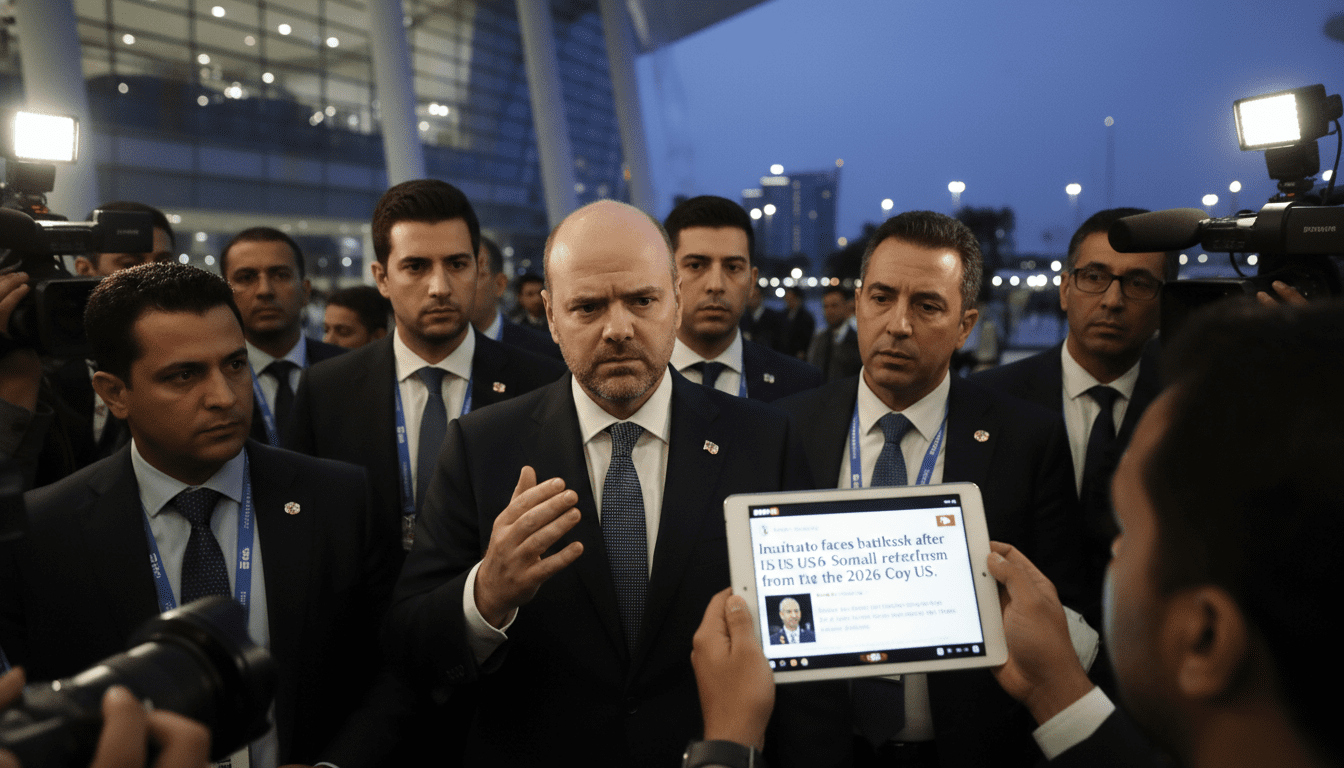
Gianni Infantino under fire after Somali referee with valid visa denied entry to US ahead of 2026 World Cup
Gianni Infantino faces scrutiny after a Somali referee with a valid US visa was denied entry ahead of the 2026 World Cup, leaving FIFA unable to act or comment
Gianni Infantino, president of FIFA, has come under renewed criticism after Omar Artan, a Somali referee selected for the 2026 World Cup, was refused entry to the United States despite holding a valid visa. The refusal, carried out by US Customs and Border Protection at Miami International Airport, has highlighted limits on FIFA’s influence and raised questions about the organisation’s preparations for a tournament largely staged in the United States. FIFA has said that immigration decisions are sovereign matters for host authorities, a position that critics say leaves officials and participants exposed.
Infantino’s public alignment with US leadership
Gianni Infantino has cultivated a high-profile relationship with United States political figures in the run-up to the tournament, attending public events and appearing alongside US leaders. Those gestures included ceremonial presentations and visible displays of support that critics now point to as political goodwill extended to the host government. Observers say the optics of those interactions have increased expectations that FIFA could secure entry for match officials when needed.
Supporters of Infantino argue that such engagement is part of routine diplomacy for a global sporting body tasked with organising the World Cup. They contend that personal contacts do not equate to control over sovereign immigration procedures and that FIFA’s role is limited in matters of national security and border enforcement.
Circumstances of Omar Artan’s denial
According to accounts of the incident, Omar Artan arrived at Miami International Airport with a valid US visa issued for his participation in the tournament. US Customs and Border Protection officers ultimately denied him entry and returned him to Somalia, preventing him from taking up his officiating assignment. The specific grounds cited by the border authorities have not been publicly disclosed.
Artan had been named to FIFA’s roster of match officials for the 2026 competition, a selection process that typically involves longstanding assessment and certification by the international refereeing bodies. The denial has left organisers scrambling to confirm replacements and raised concern among refereeing contingents about the stability of travel arrangements.
FIFA’s response and institutional limits
FIFA released a statement asserting that entry and immigration decisions rest with the host country and its border agencies, and that the organisation does not have the authority to override such determinations. The governing body said it would continue to engage with relevant authorities to resolve issues affecting officials and participants, while emphasising the constraints of international law and national sovereignty.
Critics reject that explanation as insufficient, saying FIFA should have anticipated the risk of refusals given the tournament’s partial staging in the United States. They argue the organisation’s contingency planning must extend beyond diplomatic niceties to ensure operational protections for match officials and technical staff.
Reaction from national football officials
Senior figures within national associations have expressed frustration at the development, noting the reputational and logistical consequences for teams, referees and the tournament schedule. Some officials defended Infantino’s outreach to US leaders as pragmatic, while others said the episode exposed a deeper failure to protect referees selected for the competition.
The incident has also prompted debate over how member associations receive assurances and support from FIFA when their staff are deployed abroad. Calls for clearer protocols and legal backing to secure safe passage for officials have increased in the days following the denial.
Political context shaping the tournament environment
The 2026 World Cup’s strong association with the United States as a host nation has sharpened scrutiny of how political considerations intersect with sport. Observers note that the political climate and immigration policies in any host country can have direct operational impact on participants, from players and officials to fans and media. That reality complicates FIFA’s claim of limited leverage when high-profile refusals become public.
Some commentators say the episode underscores a broader tension: hosting the tournament in a country with contested policies invites scrutiny of FIFA’s site selection and preparations. Opponents of recent decisions argue for more rigorous assessments of potential legal and political risks before finalising host arrangements.
Potential impact on officiating and tournament integrity
Practical consequences for refereeing are immediate: match assignments must be revised, replacement officials deployed and integrity safeguards maintained to prevent competitive disadvantage. Referees travel on tight schedules and any disruption can cascade into wider logistical challenges for match operations. The denial has therefore forced contingency measures that organisers must manage quickly.
Longer term, officials’ confidence in secure treatment while on duty is at stake, and some referees may be more hesitant to accept appointments if they perceive a risk of being denied entry. FIFA faces pressure to develop stronger guarantees and support mechanisms to protect the independence and mobility of match officials in future events.
The denial of entry to Omar Artan has crystallised criticism of Gianni Infantino’s leadership at a pivotal moment for world football, exposing fault lines between diplomacy, host-nation authority and the practical needs of staging a global tournament.
