
Israel strikes southern Lebanon as offensive targets Tyre suburbs
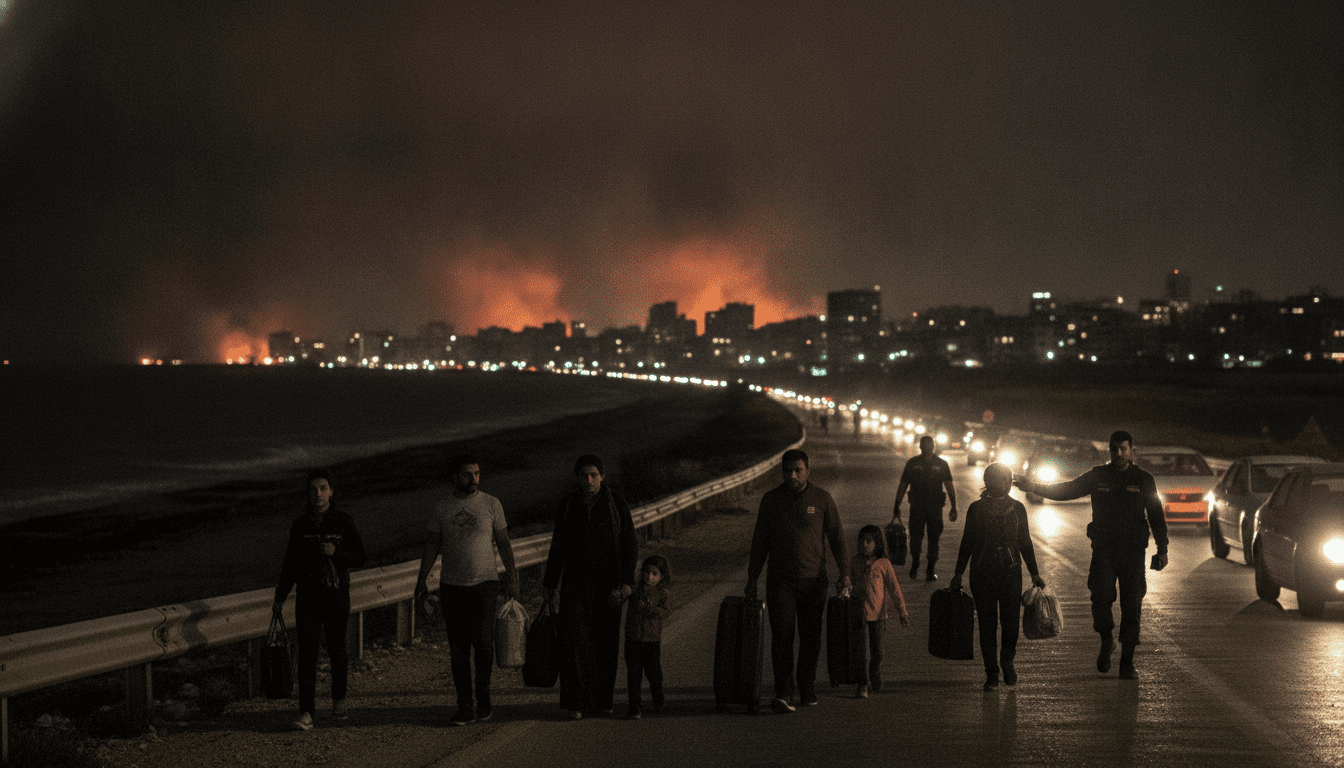
Israel strikes southern Lebanon with waves of air and artillery attacks on June 9, 2026, prompting forced displacement orders and civilian flight from Tyre suburbs.
Israeli forces launched renewed strikes on southern Lebanon on June 9, 2026, continuing an offensive that officials say is aimed at militant positions near the coast. Residents and a reporter on the ground described explosions and smoke rising across neighborhoods of Tyre, and local authorities issued orders for residents of multiple suburbs to evacuate. The escalation has prompted immediate displacement and sharpened concerns about civilian safety and access to services.
Strikes reported across Tyre outskirts
Residents in the southern coastal city reported multiple rounds of strikes throughout the day, saying blasts were heard in residential districts and near key roadways. Witnesses described buildings rocked by explosions and clouds of dust and debris rising above suburban areas adjacent to the city.
A reporter working near Tyre observed emergency responders moving through damaged streets and cars stopped along main arteries as people sought safety. The pattern of strikes was described by local sources as widespread rather than isolated, affecting several neighborhoods at different times.
Authorities issue forced displacement orders
Local officials issued orders directing residents of specific Tyre suburbs to leave their homes, citing ongoing military operations and the risk of further strikes. The orders were delivered amid confusion for families who said they had little time to prepare and limited means to relocate safely.
Some residents questioned where they should go, as displacement compounded shortages of transport and shelter. Community leaders called for clear corridors and assurances that civilians would be protected while they moved out of designated areas.
Reports of casualties and infrastructure damage
Medical sources and local volunteers reported that hospitals and clinics were treating people injured in the strikes, though no comprehensive casualty tallies were immediately available. Health facilities described an influx of wounded and expressed concern about supplies as ambulances worked under strain.
Infrastructure damage was visible in several neighborhoods with shattered windows, collapsed walls and roads littered with debris. Power and communications lines were affected in parts of the city, complicating rescue and reporting efforts.
Military posture and cross-border dynamics
Military activity along the border has intensified as air and artillery strikes continued beyond a single incident, with both mobility and firepower evident in the operations described by residents. Officials on both sides have framed actions in security terms, emphasizing strikes aimed at armed groups operating near population centers.
The pattern of exchanges has raised the risk of further cross-border escalation, with analysts warning that prolonged operations could draw in additional actors or prompt retaliatory measures. For now, the situation remains volatile, with shifting operational focuses overnight and into the morning.
Humanitarian access and displacement challenges
Humanitarian workers and relief groups signaled urgent needs as displaced families sought shelter, food and medical care within and beyond Tyre. Aid agencies reported access constraints due to security conditions, damaged roads and the unpredictability of further strikes, which hamper assessments and deliveries.
Shelters that received families said capacity was stretched, and local councils appealed for assistance with bedding, water and basic supplies. The displacement orders have put pressure on already fragile social services and raised questions about how long people can remain in temporary arrangements.
Diplomatic signals and regional implications
Regional diplomats and international actors expressed concern about the escalation and urged restraint to prevent a wider conflagration, according to local briefings and statements from foreign missions. The fighting in and around Tyre has drawn attention to the precarious balance along the border and the potential for broader instability.
Observers noted that diplomatic engagement will likely intensify in coming days as governments seek to de-escalate tensions and secure humanitarian access. The trajectory of the offensive and responses from neighboring parties will be critical in determining whether the current spike in violence can be contained.
The immediate picture in Tyre remains one of uncertainty, with residents grappling with damaged homes, urgent evacuations and disrupted services. As the situation unfolds, local authorities and relief organizations say the priority is to protect civilians, restore access to essential care and prevent further displacement across southern Lebanon.
