
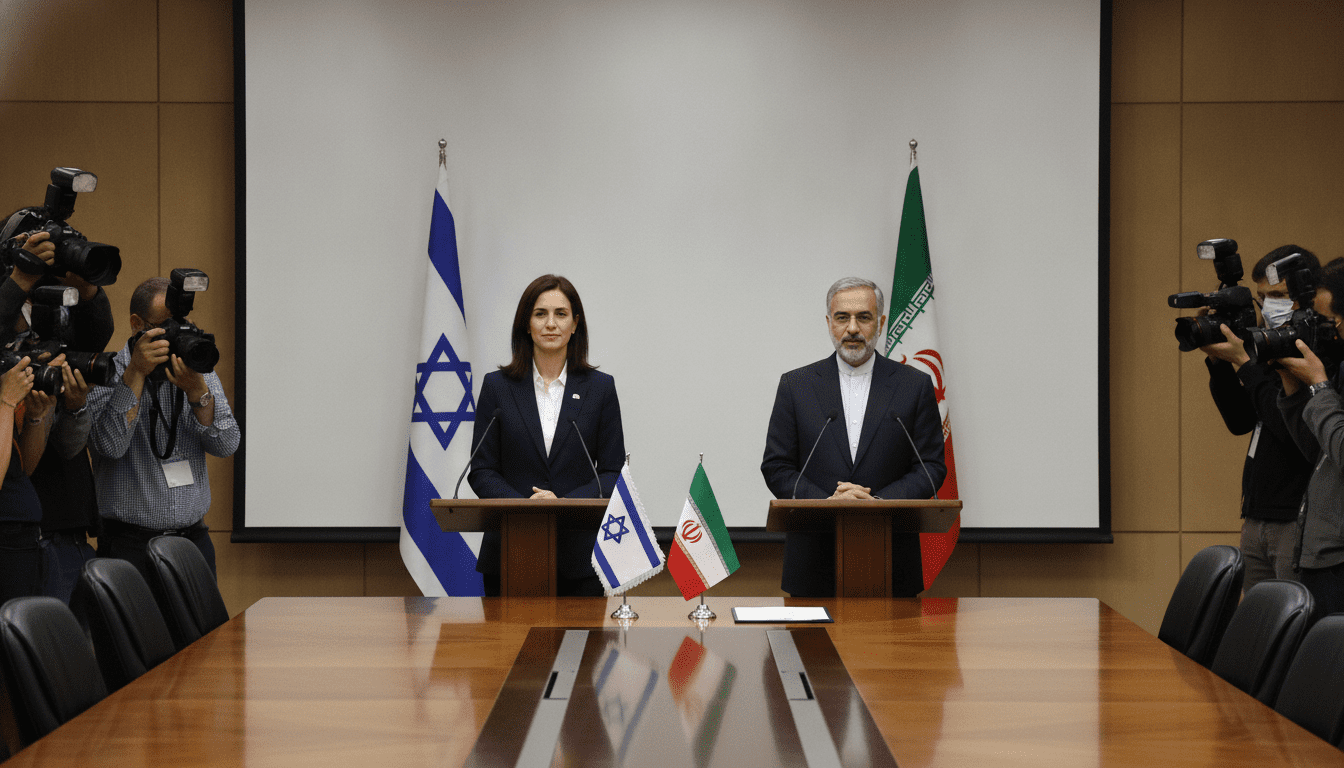
Israel-Iran ceasefire announced after large-scale strikes and missile exchanges
Israel and Iran agreed to a temporary Israel-Iran ceasefire after days of air strikes and missile barrages; leaders warned of retaliation if attacks resume.
On Sunday, June 7, 2026, Israel and Iran announced a temporary Israel-Iran ceasefire following an intense round of air strikes and missile exchanges that raised fears of a wider regional conflict. Israeli Prime Minister Benjamin Netanyahu confirmed a halt to offensive operations but warned Israel would respond forcefully if Iran resumed attacks, invoking the country’s right to self-defense. Iran’s military leadership also said it had stopped its strikes after delivering what state media described as a “painful response” in support of Lebanon.
Both Sides Confirm Pause in Hostilities
Benjamin Netanyahu publicly affirmed the ceasefire, saying Israel would maintain vigilance and retaliate should Iranian aggression continue. The Israeli statement framed the pause as conditional, intended to prevent further escalation while preserving Israel’s ability to act if threatened. Iranian military spokespeople similarly announced a suspension of their assaults, while stressing that renewed Israeli actions, particularly in southern Lebanon, could prompt harsher retaliation.
Israel’s Early-Morning Campaign Against Iranian Targets
Israeli forces said they carried out multiple strikes in the early hours that they described as a large-scale attack on Iranian strategic defenses. The Israeli military reported targeting what it identified as command-and-control systems and a petrochemical installation in Iran’s southwest. Officials framed the operation as a direct response to previous missile launches from Tehran and said the aim was to degrade capabilities used to threaten Israeli territory.
Iran Reports Injuries and Closes Airspace
Iranian emergency services reported 15 people wounded in the Israeli strikes, with most casualties in Khuzestan province and one in Tehran, according to local agencies. State media further reported that Iran closed its entire airspace until further notice and grounded flights nationwide as officials assessed damage and security risks. The public measures reflected Tehran’s heightened state of alert amid the exchange of fire.
US President Calls for Immediate Halt and Negotiations
U.S. President Donald Trump urged both Iran and Israel to stop hostilities immediately on his social media platform and said both sides were considering an immediate ceasefire. He added that negotiations toward a political resolution would continue and called for swift progress in talks. In parallel, he announced that the seaborne blockade of the Strait of Hormuz would remain in place, citing security concerns for international shipping.
Lebanon Truce Talks and Hezbollah’s Continued Attacks
Iran said its strikes were provoked by repeated violations of a fragile ceasefire in southern Lebanon, including recent strikes in Beirut suburbs that Tehran said targeted allied positions. Israel has said its operations in Lebanon struck Hezbollah command centers after militia fire into Israeli territory, and it insists the Lebanese government is not a participant in the fighting. Israel and Lebanon had agreed on June 4, 2026 to renew efforts to implement a truce, but the agreement was contingent on Hezbollah halting attacks—a condition the militia rejected.
Regional Risks and Civilian Impact
Across Israeli population centers, air-raid sirens sounded in the north, center and south, sending residents to shelters and disrupting daily life and transportation. Israeli military circles reported that Tehran had launched more than 20 ballistic missiles toward Israel since Sunday evening, prompting wide deployment of air defenses. Humanitarian and commercial disruptions extended into the Gulf, where the maintained blockade of the Strait of Hormuz has raised concerns among trading partners and energy markets.
The ceasefire announced on June 7, 2026 remains tenuous, with both capitals signaling that any resumption of attacks will be met with substantial retaliatory measures. Diplomats and regional observers caution that enforcement will depend on whether allied militias, notably Hezbollah in Lebanon, curb their operations and whether international mediators can consolidate a mechanism to monitor and prevent renewed exchanges.
