
U.S. against the World documentary frames U.S. men’s team as underdogs ahead of 2026 World Cup
HBO’s “U.S. against the World” documentary follows the U.S. men’s national team, insisting on an underdog narrative as the home World Cup approaches.
HBO’s “U.S. against the World” frames a national narrative
HBO released the multi-part documentary “U.S. against the World” to coincide with the buildup to the 2026 home World Cup, centering the narrative on the U.S. men’s national team. The series presents a clear “us versus the world” storyline and positions the squad as a generation with expectation and doubt, a theme the film repeats throughout.
The documentary highlights recurring American motifs — resilience, redemption and spectacle — and deliberately evokes past homegrown sporting miracles to prime viewers for a dramatic tournament. That framing is intended to build emotional investment rather than offer a purely analytical assessment of the team’s competitive prospects.
Players spotlighted and the ‘Golden Generation’ claim
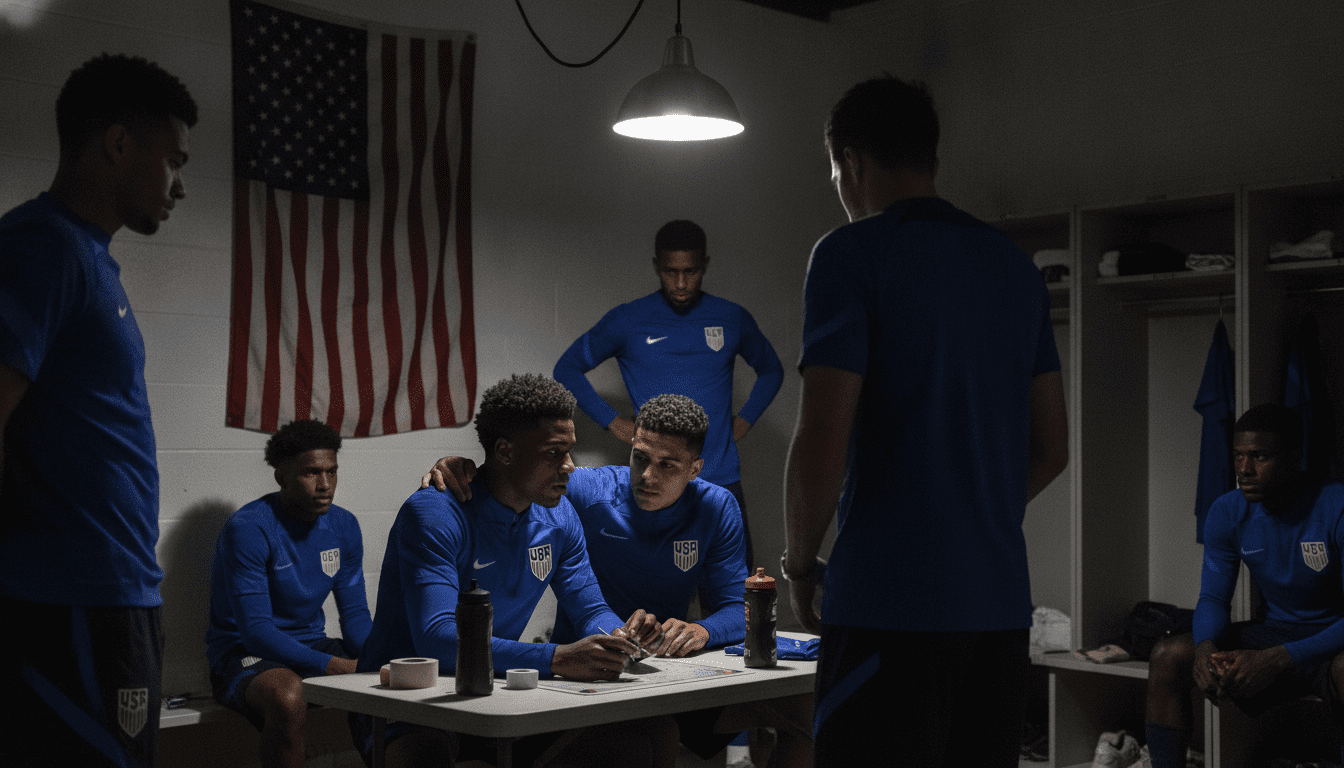
The series profiles key figures such as Christian Pulisic, Weston McKennie and Tyler Adams, naming them as leaders of a so-called “Golden Generation.” The documentary juxtaposes glossy training-room moments with candid interviews, signaling both the talent present and the skepticism around whether the group can deliver a title.
Despite its title, the film does not shy from doubt: producers and commentators in the series concede that the team faces long odds against more established international sides. That tension between hope and pragmatism underpins much of the storytelling and shapes viewer expectations going into the tournament.
Underdog mythology and American sports memory
Producers deliberately connect the soccer narrative to American sporting folklore, invoking the Miracle on Ice and Kerri Strug’s 1996 Olympic vault as cultural touchstones. Those comparisons aim to situate a successful U.S. World Cup run within a national pattern of improbable triumphs on home soil.
Documentary-makers exploit this mythology because it resonates with domestic audiences and commercial partners alike, offering a ready-made arc of struggle and catharsis. The strategy also reframes what might be a middling sporting achievement into a marketable heroic saga.
Critics warn of overreach and inflated expectations
Some commentators have criticized the series for amplifying emotion at the expense of sober analysis, arguing that hype could distort public perception of the team’s realistic chances. Analysts featured in the documentary and external observers note that objective metrics place the U.S. team behind several traditional powerhouses on paper.
There is concern that an overdramatic narrative risks burdening players with expectations anchored more in storytelling than sporting reality. If the team underperforms, critics say, the manufactured narrative could shift quickly from inspirational to painfully unrealistic.
Tournament timing and commercial stakes
HBO timed the release to maximize attention as the United States prepares to host the World Cup, a tournament with exceptional commercial and cultural stakes. Broadcasting partners, sponsors and U.S. Soccer all stand to benefit from heightened interest, and the documentary functions as both promotion and narrative framing for those investments.
The series also reflects a broader trend of premium networks treating national teams as entertainment properties, where storytelling can influence ticket sales, viewership and merchandise. That blending of sport and media raises questions about where accountability lies when stories supplant sober evaluation.
What the documentary leaves open
While the film offers personal access and emotive storytelling, it leaves several competitive questions unresolved, including how the team will adapt tactically and withstand pressure against elite opposition. The documentary provides glimpses but not a conclusive assessment of depth, injuries or strategic shortcomings that could determine tournament outcomes.
Absent clear answers, viewers are left to balance the documentary’s emotional appeal with independent analysis of form and fixtures. That ambiguity ensures the narrative remains open-ended and fuels debate as the tournament approaches.
The HBO series “U.S. against the World” reframes the U.S. men’s national team in distinctly American terms, marrying sports pageantry to commercial narrative as the 2026 World Cup looms.
