
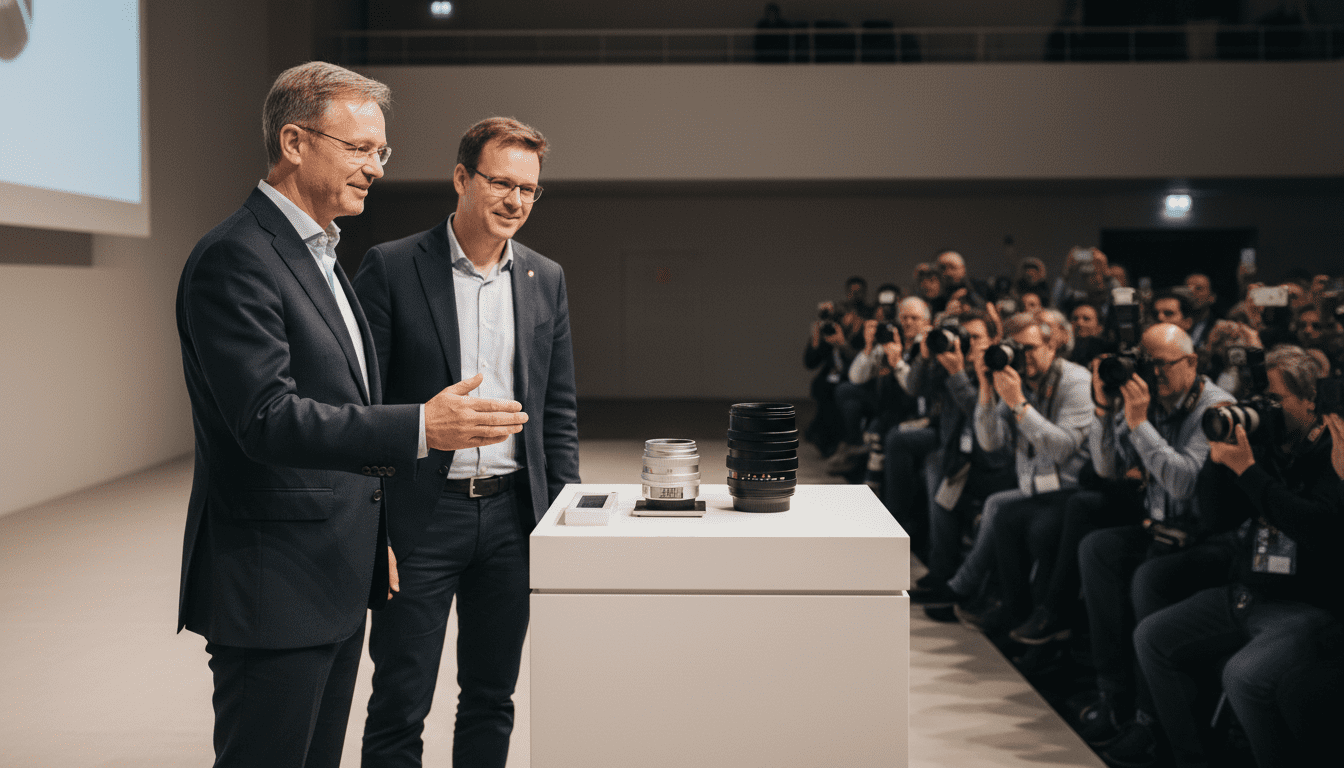
Leica Noctilux M-35 Debuts with New Production Technology, Lighter Build and €9,000 Price
Leica’s Noctilux M-35 arrives with new production technology, lighter design and same brightness; available since late January at about €9,000 worldwide.
The Noctilux M-35, Leica’s latest high-speed M-mount lens, has entered the market employing a new manufacturing technology that the company says reduces weight and size without compromising light-gathering ability. Released at the end of January and priced at roughly €9,000, the lens is positioned as a flagship optics product for professional and enthusiast photographers. Leica representatives point to advances in tooling and production as central to the redesign, promising improved handling while maintaining the Noctilux lineage’s characteristic image quality.
Retail Launch and Availability
The Noctilux M-35 reached dealers at the end of January and is now offered through Leica’s retail network and authorized dealers across key markets. The company set the suggested retail price at about €9,000, placing the lens in the premium segment where build quality and optical performance drive buyer decisions.
Stock levels have varied by region, reflecting constrained production in the early weeks after launch and strong initial interest from collectors and professional users. Leica has communicated a staged distribution approach to core markets while monitoring demand before broader allocation.
Design Changes and Optical Characteristics
Leica’s redesign emphasizes a lighter, more compact chassis compared with the previous Noctilux iteration, while retaining its high maximum aperture. Engineers reworked the optical and mechanical layout to shave mass and reduce the barrel length without changing the lens’s stated light-gathering performance.
Photographers can expect the Noctilux M-35 to preserve the shallow depth-of-field and character that define the Noctilux line, according to Leica materials and comments from production staff. The balance between mechanical refinement and optical fidelity is presented as a key achievement for the new model.
Manufacturing Innovation Behind the Lens
Leica attributes the changes to a new production technique applied in tool manufacturing that allowed tighter tolerances and different material choices. Jan-Helge Staasmeyer, head of tool production, explained that the team pushed the limits of what could be achieved physically in the tooling process to deliver the lighter, more compact product.
The company said the approach optimizes machining and assembly steps, which in turn enables a more compact mechanical design while ensuring the precision required for high-performance optics. Leica framed the innovation as incremental but decisive — a manufacturing refinement rather than a radical change in optical formula.
Pricing Strategy and Market Position
With a price point near €9,000, the Noctilux M-35 sits alongside high-end, limited-production lenses aimed at professionals, collectors and enthusiasts willing to pay for distinctive rendering and exceptional build quality. Leica’s pricing reflects both the brand’s premium positioning and the costs associated with low-volume, high-precision manufacture.
Market observers note that Leica’s customer base often values continuity of character and craftsmanship over incremental technical gains alone. The new lens therefore aims to satisfy existing Noctilux loyalists while offering practical improvements that may broaden its appeal to working photographers seeking lighter gear.
Reaction from Production and Engineering Teams
Production leaders emphasized that the redesign was grounded in practical engineering limits rather than marketing-driven gimmicks. Staasmeyer said the factory pushed the boundaries of their physical capabilities to reach the new specifications, stressing a disciplined approach to tolerances and material use.
Engineers involved in the project highlighted that maintaining optical performance while reducing size required coordinated changes across lens group placement, barrel materials and assembly methods. The result, according to those contributors, is a lens that performs in line with Leica’s expectations for sharpness, bokeh and mechanical reliability.
Initial Responses from Photographers and Retailers
Early feedback from retailers and initial buyers has been mixed but largely positive on ergonomics and handling improvements, with many praising the reduction in weight. Some reviewers and users have focused attention on whether the smaller form affects the subjective “Noctilux look,” but Leica’s team maintains the optical signature was preserved.
Availability constraints and the high price mean broader critical consensus will emerge only as more samples circulate in the field and independent testing is completed. Retailers report brisk interest from collectors and professionals who place a premium on Leica’s historic lineage and contemporary manufacturing upgrades.
Leica’s Noctilux M-35 represents a measured step forward for a storied product line, leveraging refinements in tooling and assembly to deliver a lighter, more compact lens that retains the bright aperture and imaging traits valued by users. The company’s emphasis on production capability and precision suggests further evolutionary updates rather than wholesale reinvention, and the market response over the coming months will determine how widely the new approach is embraced.
