
Germany unveils care insurance reform bill to cut costs and close multi‑billion euro gaps
Nina Warken unveils a care insurance reform to cut costs, boost prevention and close multi-billion euro gaps, now through savings and contribution tweaks.
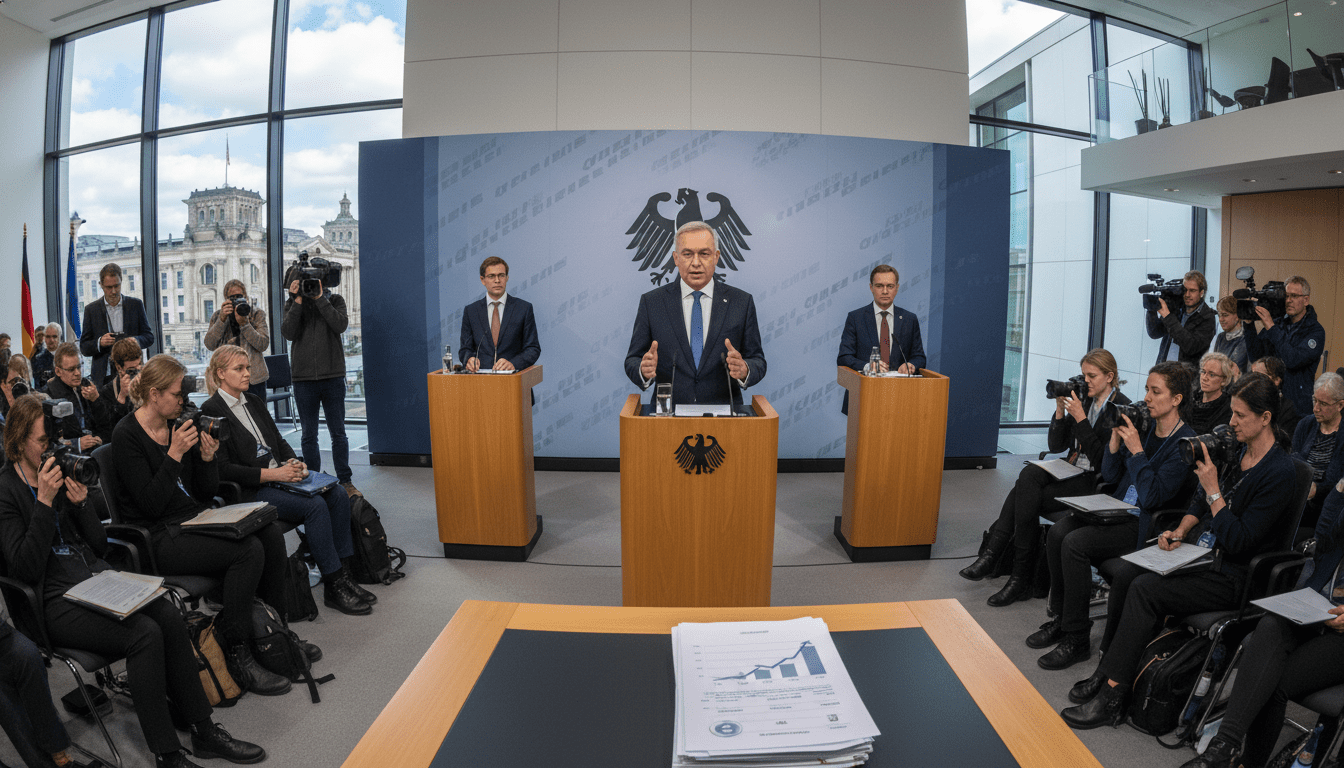
The federal government on Thursday presented a major care insurance reform bill designed to slim Germany’s long-term care system and redirect resources toward prevention. The proposed care insurance reform, put forward by Health Minister Nina Warken (CDU), aims to address structural underfunding while reshaping benefits and contribution rules. The draft has been circulated for inter-ministerial review and includes both savings measures and new revenue proposals intended to narrow projected deficits through 2030.
Warken frames reform as fiscal and structural rescue
The ministry says the social long-term care insurance faces an urgent financing squeeze, with an immediate shortfall of roughly €7.6 billion and larger shortfalls forecast for the years ahead. Officials estimate fiscal needs rising to between €11.2 billion in 2027 and €20.9 billion in 2030 because of years of structural underfunding. Warken’s draft claims to deliver financial effects of about €11.3 billion in 2027 rising to roughly €20.3 billion in 2030, which the government says would largely close the planned gaps.
Projected savings hinge on slower benefit growth
A central plank of the bill is to slow the rate at which care spending increases, a measure the ministry projects will generate the single largest saving — about €4 billion in 2028 alone. The draft proposes moderating the stepwise increases in care benefit costs so that future growth occurs in smaller increments. Officials argue the change will reduce abrupt budget pressure while preserving overall coverage, but it will reshape how quickly entitlements expand over time.
Changes to nursing‑home support and pension subsidies
The proposal would extend the qualifying periods for care-related fee supplements in residential facilities by six months, a move estimated to save between €2 billion and €2.7 billion annually. It also reduces the share of pension insurance contributions paid by care funds for family caregivers from 100% to 70%, yielding roughly €1.8 billion initially and about €2.1 billion later. Together with stricter access to care grades — making it harder to obtain or be upgraded among the five care levels from 2027 — these measures are projected to lower outlays by between €1.3 billion and up to €4.2 billion in subsequent years.
Benefit redesign: Entlastungsbudget and home‑care instruments
The bill would replace the current cash care allowance for many recipients with a new Entlastungsbudget (relief budget), paid only half for new cases in care grades two and three during the first three months. That change is expected to save between €900 million and €1.1 billion. For people with care grade one who live at home, the current €131 monthly allowance would be eliminated, freeing between €800 million and €1 billion; about half of that would remain with the care funds and the remainder would finance a new “care accompaniment” instrument intended to strengthen prevention and support independence.
Revenue measures target high earners, minijobs and childless surcharge
The reform also raises revenues through several contributor-side changes. Increasing the contribution assessment ceiling for higher earners is expected to yield about €1.6–€1.8 billion. For the first time, a 3.6% care contribution will apply to minijobs up to €603 per month, paid entirely by employers and projected to bring in roughly €1.2 billion annually. The supplemental surcharge for childless insured persons would rise from 0.6 to 0.7 percentage points, producing an additional €1.1–€1.2 billion per year. From 2028 the draft restricts contribution-free family insurance for spouses and other partners, requiring many main insureds to pay a 0.52 percentage-point surcharge that will raise their effective rate in certain cases.
Federal role, loans and administrative savings
Finance Minister Lars Klingbeil (SPD) has reportedly agreed to extend existing federal loans to the care funds rather than introduce fresh direct budget support, providing a temporary relief that the ministry quantifies as €500 million initially and €740 million annually thereafter from 2028. The draft also counts modest administrative efficiencies — lower overhead and streamlined processes — at €350–€450 million per year toward the overall package. Taken together, these elements form a mix of one‑off and recurring measures intended to stabilise the insurance’s finances without immediate new direct federal spending.
If the bill proceeds through cabinet clearance and parliamentary debate, it would remake the balance between benefits and contributions in Germany’s long-term care system while adding new prevention-focused services for home-based care. Lawmakers from across parties are likely to scrutinise both the projected savings and the social impact of tighter access to care grades and reduced cash allowances.
The draft will now be examined by government ministries as part of the formal coordination process before any parliamentary timetable is set, and critics and advocacy groups are expected to press for adjustments to protect vulnerable beneficiaries.
