
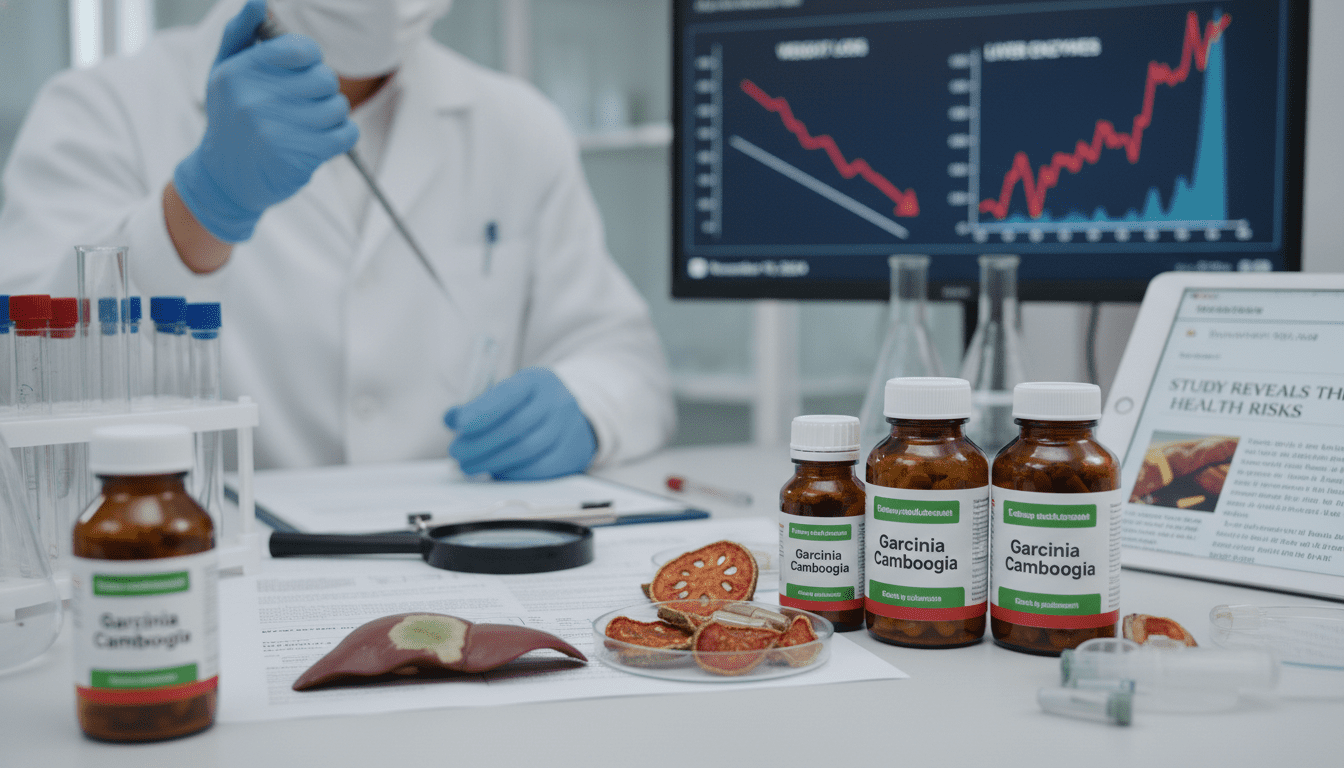
Garcinia cambogia: Modest weight-loss claims, possible cholesterol benefits and rare liver risks
New review examines Garcinia cambogia: modest weight-loss effects, possible cholesterol and blood-sugar benefits, and rare liver risks. Talk to your doctor.
Garcinia cambogia, a tropical fruit extract often sold for weight loss, has generated renewed attention as studies show only modest benefits alongside persistent safety concerns. The supplement’s active compound, hydroxycitric acid (HCA), is linked to reduced appetite and small reductions in body fat, but clinical gains are generally limited. At the same time, isolated reports of serious liver injury have prompted calls for caution from clinicians and regulators.
Study findings on weight loss and HCA
Several randomized trials and pooled analyses have examined Garcinia cambogia’s weight-loss effects, typically testing supplements standardized for HCA. Results show small average weight changes: many participants lost only a few pounds more than placebo over two to three months. Researchers attribute any effect primarily to reduced appetite and possible inhibition of the enzyme pathways that create new fat, but the clinical significance of these changes is debated.
Evidence for cholesterol and triglyceride changes
Laboratory and small human studies suggest Garcinia cambogia may influence lipid metabolism, including modest reductions in total cholesterol and triglycerides. The proposed mechanism is partial inhibition of HMG-CoA reductase, the same pathway targeted by common cholesterol-lowering drugs, though effects seen in trials are far smaller than those produced by prescription therapies. Experts caution that the current body of evidence is insufficient to recommend the supplement for cardiovascular risk reduction.
Athletic performance, blood sugar and inflammation signals
A handful of small trials and animal studies have explored additional claims that Garcinia cambogia improves exercise endurance, lowers blood sugar, or reduces inflammation. Some human trials reported marginal increases in time to exhaustion with low daily HCA doses, while animal models indicate possible improvements in glucose regulation and decreases in inflammatory gene expression. However, investigators emphasize that much of this work is preliminary, limited by sample size, and not yet replicated in larger, well-controlled human studies.
Dosage variability and product quality on the market
Garcinia cambogia is sold in capsules, tablets and powders, often mixed with other ingredients marketed for weight loss. Typical study dosages range from about 1,000 to 2,800 milligrams per day, though product labels and HCA content vary widely between brands. This inconsistency complicates comparisons across trials and raises concerns about product purity, label accuracy and the potential for undisclosed additives that may affect safety.
Reports of liver injury and other adverse effects
While many users report mild side effects such as digestive upset, fatigue or headache, the most serious safety signal associated with Garcinia cambogia is liver injury. Cases in the medical literature describe abnormal liver tests, jaundice, dark urine, abdominal pain and, in rare instances, liver failure requiring transplantation. Some symptoms have appeared within one to four weeks after starting the supplement, prompting clinicians to advise discontinuation and prompt evaluation if hepatic symptoms arise.
Drug interactions and groups who should avoid the supplement
Garcinia cambogia can interact with several prescription medications and poses particular risks for people on blood-thinning agents and glucose-lowering drugs. Because the extract may affect clotting and lower blood sugar, clinicians warn against its use with warfarin, antiplatelet agents and some diabetes medications without medical supervision. The safety of Garcinia cambogia in pregnancy or breastfeeding has not been established, and individuals with liver disease, chronic illnesses or a history of hypoglycemia are generally advised to avoid it.
Regulatory oversight of herbal supplements differs from that for prescription medicines, so consumers often encounter variable formulations and limited post-market surveillance. Health professionals recommend verifying product quality through third-party testing where available, reading labels carefully, and disclosing all supplement use to prescribing clinicians to screen for interactions.
Given the modest benefits demonstrated to date and the potential for serious but uncommon adverse events, healthcare providers emphasize informed decision-making. For those considering Garcinia cambogia, a conversation with a doctor or pharmacist can clarify risks relative to proven interventions such as diet, exercise and approved medications. If users choose to take the supplement, they should monitor for signs of liver injury and stop immediately if symptoms develop, seeking medical attention.
