
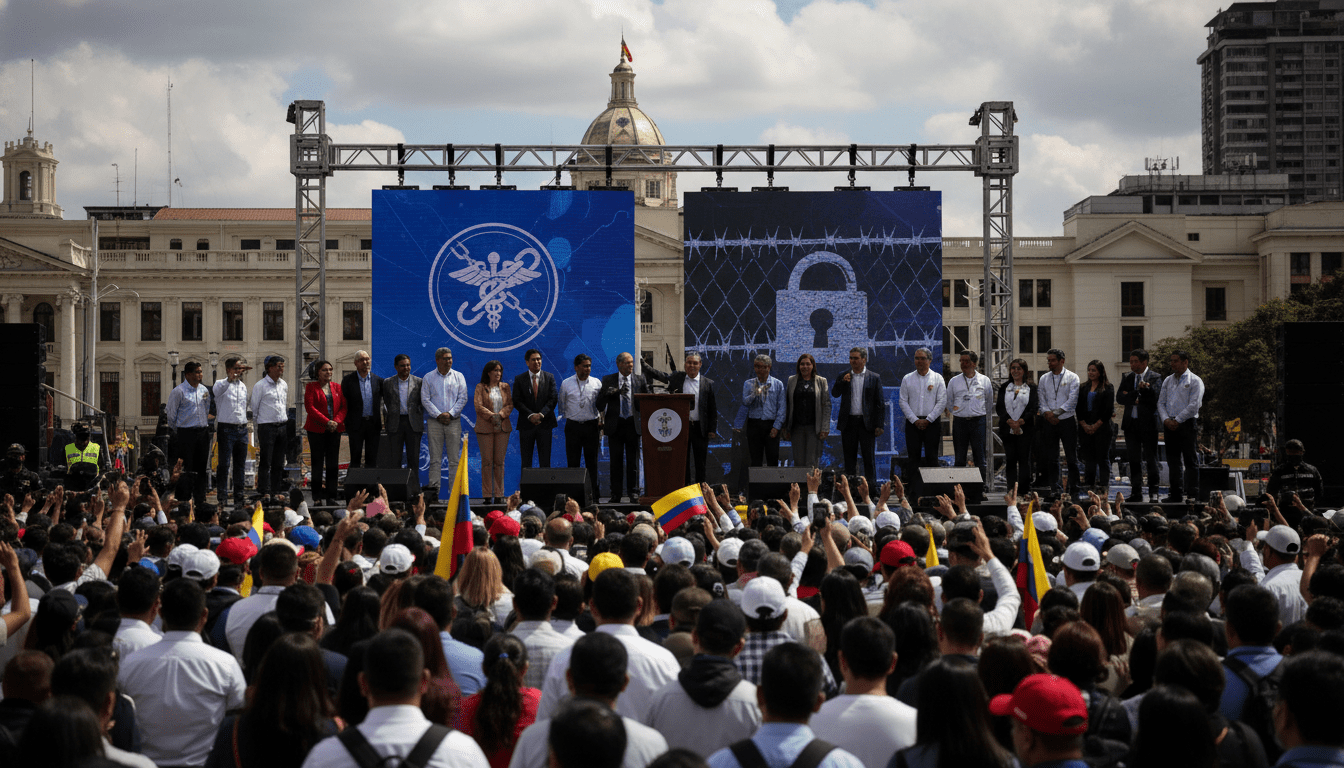
Colombian presidential election set for May 31 as voters prioritize healthcare, corruption and security
Colombians head to the polls on May 31 for the Colombian presidential election, with healthcare, corruption and security dominating voter concerns nationwide.
Voters will decide a new president in a contest shaped by worries over public health services, persistent graft and a deteriorating security environment. Reporting from Bogotá, correspondents note that campaigns have intensified in the final days as candidates seek to sway undecided voters and mobilize support across urban and rural areas. Election authorities and civil society groups say logistics and safety preparations are in place as the country prepares for what could be a closely watched vote.
Election Day Set for May 31
Election officials have confirmed that voting will take place nationwide on May 31, with polling stations scheduled to open early and close in the evening. The date follows weeks of campaigning and several televised debates that highlighted stark contrasts among contenders on policy priorities. Authorities have urged citizens to check their assigned polling stations and voter registration details ahead of the weekend to avoid delays.
Voters Prioritize Healthcare, Corruption and Security
Surveys and street interviews indicate that healthcare access, corruption and public security top the list of voter concerns in this presidential contest. Many Colombians cited overcrowded hospitals, long waiting times and uneven access to services outside major cities as central issues influencing their vote. Simultaneously, frustration over corruption at different levels of government and renewed violence in some regions have driven demand for candidates to offer concrete plans on governance and safety.
Campaigns Shift Focus as Polls Near
In the closing days, campaign messages have increasingly targeted these immediate concerns, with candidates promising reforms aimed at expanding healthcare coverage and improving anti-corruption enforcement. Political operatives say ground operations are intensifying in marginal neighborhoods and rural municipalities where turnout could determine the outcome. Analysts warn that rhetorical promises must be matched by detailed policy proposals if the president-elect is to secure public trust after inauguration.
Security Measures and Voting Logistics in Cities and Countryside
Electoral authorities and security forces have announced stepped-up measures to ensure safe voting, particularly in areas that have seen recent criminal incidents or political violence. Extra personnel will be deployed to remote polling stations, and transportation support has been arranged for isolated communities to reduce barriers to participation. Civil society organizations are also monitoring the vote and running parallel voter education campaigns to minimize confusion and irregularities.
Role of Undecided Voters and Turnout Dynamics
Political analysts say turnout will be a decisive factor, with younger and first-time voters emerging as a key demographic to watch on election day. Efforts to register and mobilize these voters have ramped up, but low participation in past contests raises questions about whether enthusiasm will translate into ballots. Polling experts caution that last-minute shifts and local dynamics can produce surprising results, emphasizing the importance of on-the-ground monitoring.
International Observers and Regional Implications
International diplomacy desks and regional partners are expected to follow the Colombian presidential election closely, given the country’s influence in areas such as migration, trade and security cooperation. Observers are likely to assess not only the conduct of the vote but also the initial signals from campaign platforms on cross-border policies. Any change in leadership could affect Colombia’s approach to regional initiatives, bilateral ties and negotiations aimed at addressing transnational crime.
Final preparations are underway across the country as electoral officials finalize logistics and candidates make last appeals to voters before May 31. The election outcome will hinge on turnout and whether voters feel persuaded by proposed solutions to long-standing problems in healthcare, corruption and public safety. Results and any subsequent developments are expected to reverberate through Colombia’s political landscape and beyond.
