
Bolivia state of emergency rules eased, empowering President Rodrigo Paz amid widening protests
Bolivia state of emergency rules eased on May 26, 2026, allowing President Rodrigo Paz to deploy the military and curb civil liberties as protests intensify.
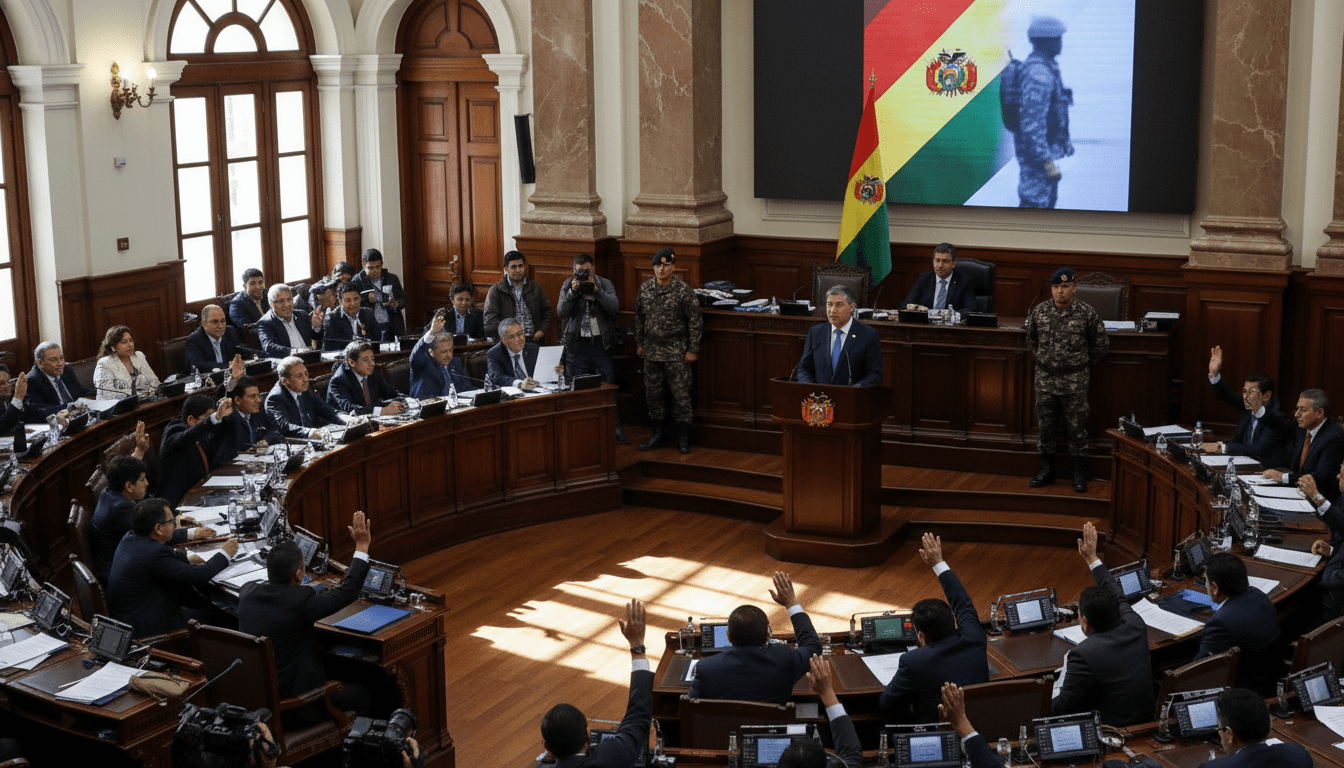
Bolivia’s parliament voted on May 26, 2026, to relax legal limits on declaring a state of emergency, clearing the way for President Rodrigo Paz to use the armed forces against demonstrators and to suspend certain civil rights. The measure passed the lower chamber with a two‑thirds majority after the Senate approved similar changes earlier in the week. The decision comes as the country faces sustained mass protests and an acute economic downturn that officials call the most serious in decades.
Parliament votes to loosen emergency rules
On May 26, deputies approved amendments that reduce procedural safeguards around declarations of emergency, lawmakers said, enabling quicker executive action in response to unrest. The vote followed a Senate approval earlier this month, creating a unified parliamentary posture that legal analysts say shortens the threshold for invoking extraordinary powers. Supporters argued the changes are needed to restore order amid blockades and clashes that have disrupted commerce and public services.
New powers allow military deployment and rights restrictions
The amended rules permit the president to deploy the military to assist police and to impose temporary restrictions on freedoms of assembly, movement and private communication. Government officials framed the measures as tools to reestablish public order; civil liberties groups warned they risk arbitrary application and long‑term erosion of rights. Military deployment under the new framework would be subject to executive directives rather than layered parliamentary approvals previously required.
Economic crisis fuels weeks of protests
Bolivia is confronting what the government describes as its worst economic crisis in roughly four decades, with annual inflation reported at about 14 percent in April 2026. Public anger has centred on recent austerity steps by President Paz, including cuts to fuel subsidies that had strained dollar reserves and raised costs for households and transport operators. Demonstrators, who have mobilised in major cities since early May, are demanding Paz’s resignation and reversal of market‑oriented reforms they say deepen inequality.
Government alleges former president’s involvement
The Paz administration has publicly accused former president Evo Morales and his network of fomenting the protests, alleging an intent to destabilise democratic institutions. Morales, whose socialist governments dominated Bolivian politics for two decades prior to Paz’s victory, has denied coordinating illegal actions, according to political allies and public statements. The accusation has deepened polarisation and raised the stakes for security policy, with opponents saying it amounts to a political strategy to delegitimise dissent.
Domestic and regional reactions to the vote
Human rights organisations and several civil society leaders called for restraint and for independent oversight of any emergency measures to prevent abuses, urging the government to prioritise dialogue over coercion. Regional capitals and international observers expressed concern about the loosening of constraints on emergency powers, noting that similar steps elsewhere in Latin America have sometimes presaged rights violations. Opposition lawmakers said they will challenge specific applications of the law in court if the executive moves to suspend fundamental liberties.
The parliamentary decision marks a pivotal moment in Bolivia’s fragile transition after the November 2025 election that brought Rodrigo Paz to office, ending twenty years of leftist governance. As the country enters what analysts say could be a prolonged period of confrontation, the balance between restoring order and safeguarding democratic norms will be tested in coming weeks. The administration has signalled readiness to act quickly under the new rules, while protesters have vowed continued demonstrations across urban centres into June 2026.
