
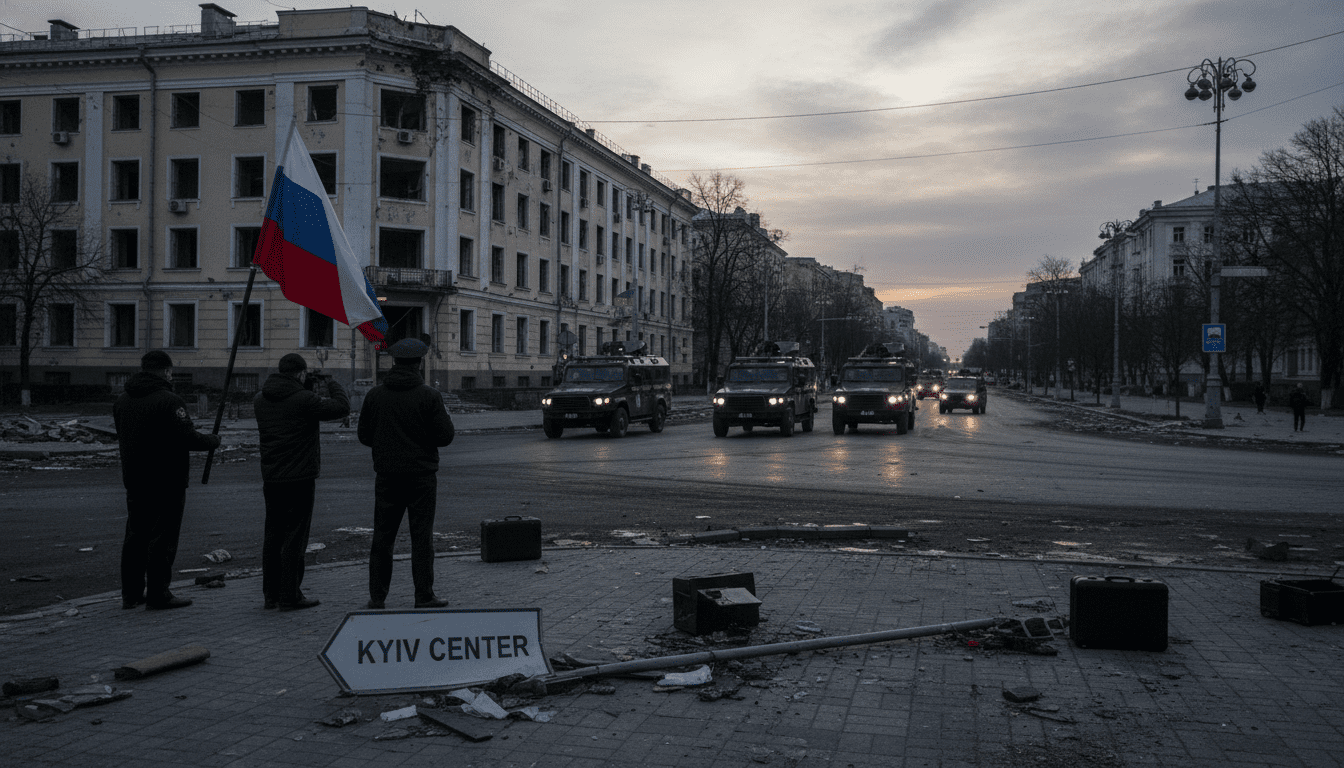
Russia warns of renewed attacks on Kyiv after Starobilsk strike
Russia warns of renewed attacks on Kyiv and urges foreign diplomats to leave after a deadly strike in Starobilsk, prompting Kyiv to call on allies not to yield.
Russian foreign ministry urges diplomats to depart Kyiv
The Russian Foreign Ministry issued a public appeal calling on foreign diplomats and international staff to leave Kyiv as soon as possible, saying the city would be targeted in response to a recent strike in Starobilsk. The statement said Russian forces would carry out systematic strikes on military-industrial and “decision-making” targets in the Ukrainian capital.
The appeal framed the evacuation request as a precautionary measure and a direct consequence of the Starobilsk incident, heightening diplomatic concern and prompting immediate reactions from Kyiv and Western partners. Moscow presented the move as a response to what it described as Ukrainian attacks on territory under Russian control.
Moscow ties threat to Starobilsk strike
Russian occupation authorities reported more than 20 civilian deaths in the strike on Starobilsk and Moscow said the attack required retaliation. Kyiv’s military authorities, however, said the strike had been directed at a military unit stationed in the town, offering a contrasting account of the target and intent.
Russian President Vladimir Putin publicly demanded reprisal following the Starobilsk incident, according to Moscow’s statements, escalating rhetoric between the two capitals. The linkage between the Starobilsk casualties and the announced measures against Kyiv underscores how battlefield events continue to shape broader military and diplomatic postures.
Kyiv rejects evacuation pressure and seeks allied support
Ukrainian Foreign Minister Andrij Sybiha urged partners not to succumb to what Kyiv called Russian coercion, saying there was no reason to comply with demands to vacate the capital. Kyiv officials argued that surrendering to the evacuation warning would reward intimidation and undermine normal diplomatic functions in the city.
Ukrainian authorities continue to coordinate with foreign delegations to assess security measures while pressing allies to maintain presence and support. Western and European capitals are weighing Kyiv’s requests amid divergent risk assessments and concerns for staff safety.
Recent strikes on Kyiv and missile capability claims
Over the previous weekend, Russian forces carried out heavy strikes on Kyiv, using a newly displayed intermediate-range weapon identified by Russian sources as the Oreschnik. Russian officials have asserted that the missile can be equipped with nuclear warheads, a claim that adds a strategic dimension to the attacks and alarms Western security analysts.
The weekend strikes caused damage across the capital and intensified fears of prolonged bombardment. Officials in Kyiv and allied governments have been closely monitoring missile deployments and their potential implications for escalation and civilian protection.
Diplomatic and regional implications
The Russian exhortation for diplomats to leave Kyiv raises immediate diplomatic questions about mission continuity and humanitarian access in the city. Evacuation of embassy staff would complicate coordination on aid, military assistance and civilian protection, sources in several capitals warned.
Neighboring states and NATO partners may face pressure to respond with security reassurances or logistical support if diplomatic footprints in Kyiv shrink. Policy debates in allied capitals are expected to focus on balancing staff safety with the strategic imperative of sustaining political and material backing for Ukraine.
Civilian toll and competing narratives
Accounts of casualties in Starobilsk reflect starkly different narratives: Moscow attributes dozens of civilian deaths to Ukrainian action, while Kyiv’s military leadership says the target was a military installation. Independent verification is limited on the ground, and both sides have used the incident to justify subsequent messaging and operational steps.
Humanitarian groups and international observers have repeatedly warned that conflicting claims complicate efforts to protect civilians and document violations. As reports emerge, the human cost remains central to diplomatic and legal scrutiny of the unfolding events.
Russian threats to intensify attacks on Kyiv follow a pattern of escalatory statements tied to battlefield incidents and symbolic dates. Moscow had previously urged residents and diplomats to avoid Kyiv’s city center around the May 9 commemorations, a warning that underscored the political sensitivity of wartime anniversaries.
The immediate future will hinge on whether foreign missions heed Moscow’s call and whether Kyiv’s partners choose to reinforce or withdraw their presence, decisions that could shape both diplomatic responses and operational patterns in the weeks ahead.
