
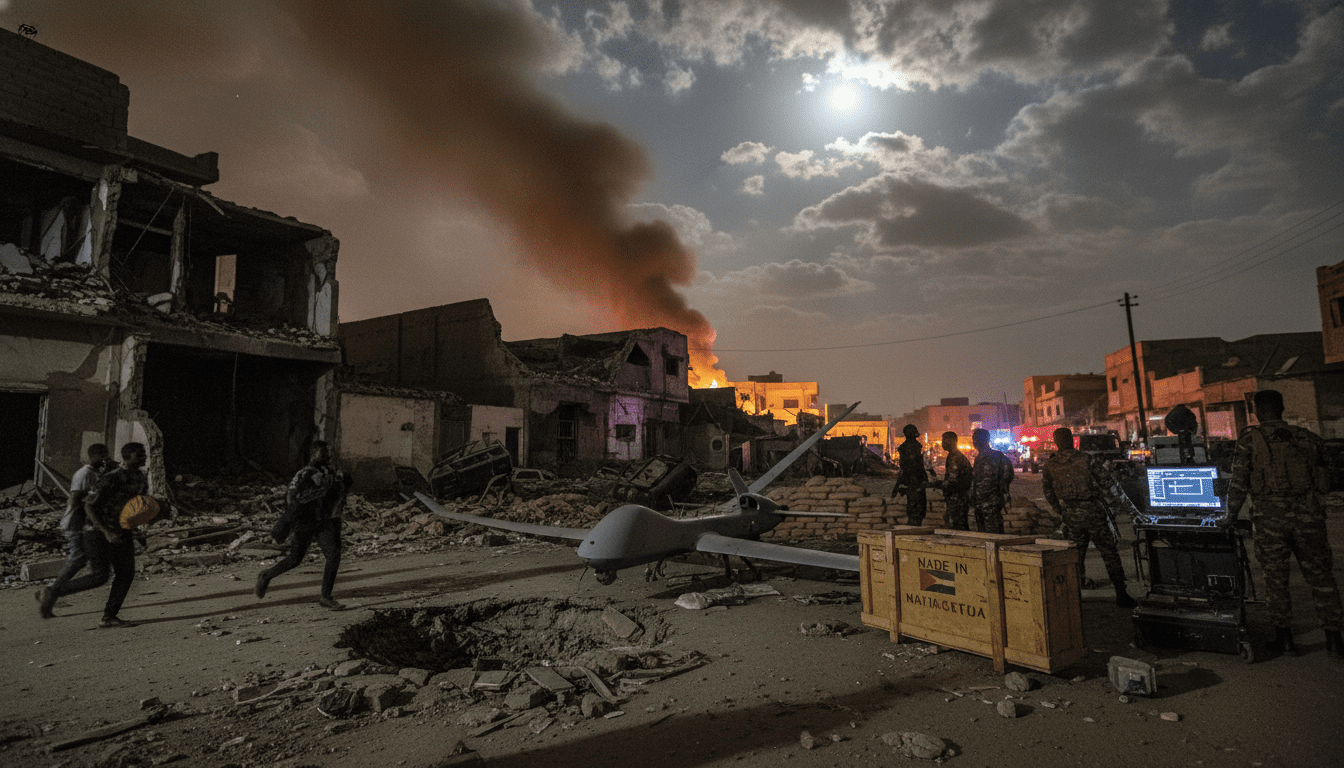
Sudan conflict deepens as foreign backers and drones entrench a bloody stalemate
Sudan conflict escalates as foreign patrons and drone warfare fuel mass displacement, famine and rising civilian casualties across the country
The Sudan conflict has entered a grim third year with humanitarian systems collapsing, widespread displacement and mounting reports of atrocity crimes. International agencies warn that nearly 20 million people face severe food insecurity while roughly twelve million have been uprooted inside Sudan or forced to flee abroad. Mid April 2026, as the war reached its anniversary, donors in Berlin pledged emergency support but offered no roadmap for ending the fighting.
Humanitarian crisis deepens across Sudan
Humanitarian organizations describe the situation as one of the largest displacement crises worldwide and warn of pockets where famine has been declared or is imminent. Relief groups say access is increasingly restricted by fighting and by the fragmentation of supply routes, hampering deliveries of food, medicine and shelter to tens of thousands in besieged areas.
The World Food Programme and other UN agencies report that nearly 40 percent of the population suffers acute food insecurity and that aid operations face logistical and security barriers. Medical services are strained or non functional in many districts, and international staff have repeatedly warned that prolonged access denial will multiply deaths from preventable causes.
Foreign patrons sustain the fighting
Analysts and diplomats say external support to both sides has transformed the conflict from a domestic power struggle into a regional proxy confrontation. The Rapid Support Forces receive reported backing from Gulf partners and regional allies, while the Sudanese Armed Forces draw support from a separate bloc of states seeking to influence Khartoum.
Countries implicated in supplying equipment, funding or logistical support include actors in the Gulf and the Horn of Africa, according to regional experts and Sudanese officials. That external patronage has reduced incentives for compromise and helped both sides maintain combat capability despite battlefield losses.
Drones reshape the battlefield and civilian toll
Unmanned aerial systems have become a defining element of the combat environment, hitting military and civilian targets with increasing frequency. United Nations human rights monitors reported that between January and April at least eight hundred civilians were killed by drone strikes, and data analysts estimate that drone related fatalities surged dramatically in the past year.
The proliferation of drones has made remote and previously inaccessible areas deadly and has blurred the line between front lines and populated zones. Satellite imagery and open source investigators point to regional hubs used for drone operations and maintenance that link local fighting to broader supply networks.
Regional rivalries harden the stalemate
Competition between regional powers has intensified the conflict dynamic and complicated mediation efforts. Saudi Arabia and the United Arab Emirates have been drawn into competing influence campaigns, while neighboring states have been accused of facilitating fighters and logistics across borders.
This mix of rivalries means that agreements negotiated abroad often lack leverage on the ground, where commanders and their backers still calculate gains. Observers note that as outside patrons pursue their own strategic aims the Sudan conflict risks becoming further detached from the political grievances that sparked it.
International response faces limits and ethical questions
Donor conferences and UN pleas have produced funding commitments but little progress toward a sustainable ceasefire or accountability mechanisms. A Berlin meeting in mid April resulted in roughly one and a half billion euros in humanitarian pledges but did not include direct engagement with either of the main combatants.
Sudanese representatives and rights advocates warn that continued external support for armed patrons risks moral complicity in ongoing abuses. Calls for targeted measures to cut supply lines for lethal materiel have grown louder, but implementation would require coordinated diplomatic pressure that has so far failed to materialize.
The military balance on the ground remains fluid with localized advances and reversals, yet the overall map has not moved decisively in months. As long as foreign support continues to replenish both sides and drones keep widening the zone of lethal impact, the Sudan conflict is likely to remain entrenched and devastating.
Humanitarian agencies say urgency is mounting and that the international community must pair aid with concrete steps to stem flows of arms and money that fuel the fighting. Without such action the human cost will only increase and the prospects for a negotiated political settlement will grow more remote.
