
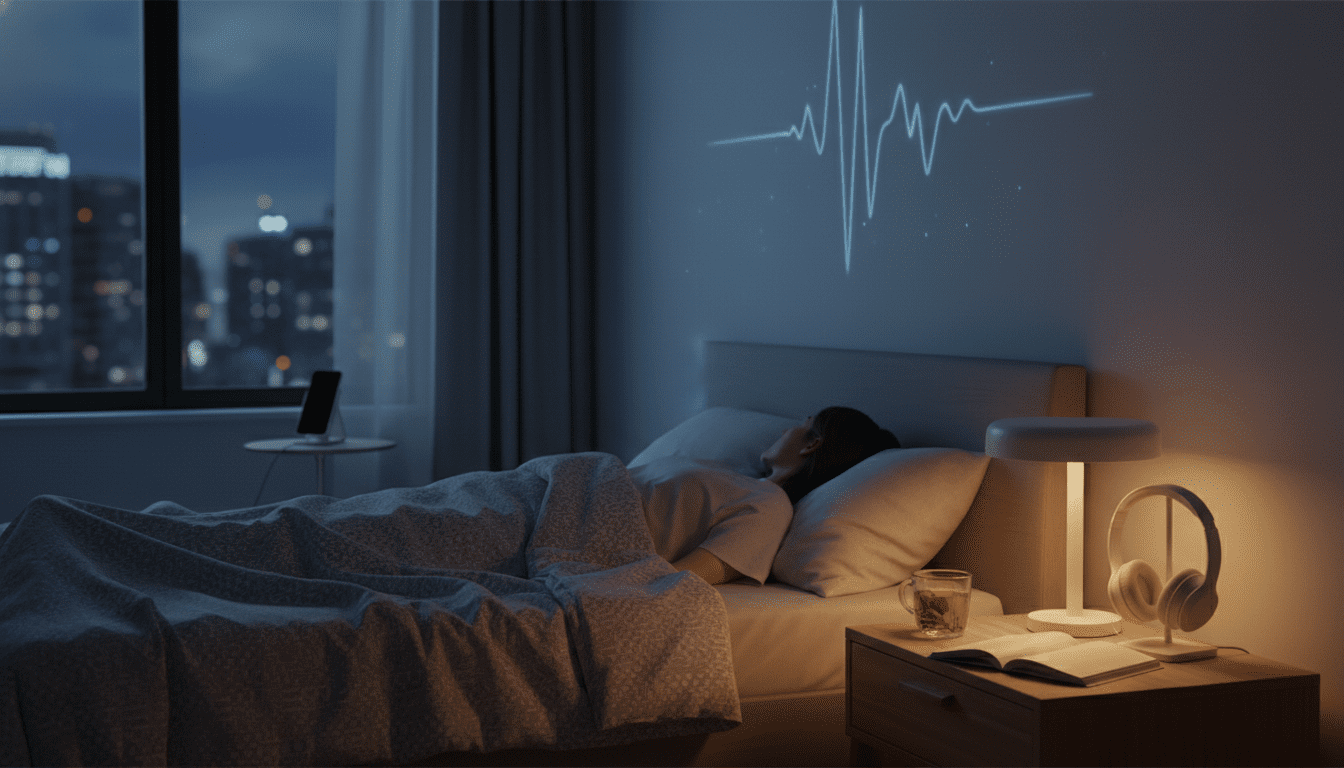
Dreamie Alarm Clock Promises Phone-Free Sleep by Streaming Podcasts at the Bedside
A bedside device called the Dreamie alarm clock uses podcasts and tailored light-and-sound routines to help users leave their phones out of the bedroom and get back to sleep without screen time.
The Dreamie alarm clock combines smart lighting, noise masking and direct podcast playback to help users break the habit of sleeping with a phone at arm’s reach. In testing, users reported being able to fall asleep and return to sleep during middle-of-night awakenings without picking up their phones, reducing disruptive screen time before bed. The device is designed around a simple premise: make the content people want available at the bedside without requiring a smartphone.
Dreamie alarm clock streams podcasts from the bedside
The core selling point of the Dreamie alarm clock is its ability to download and play podcasts directly over Wi‑Fi, removing the need to reach for a phone when sleep is elusive. Instead of using phone apps, users can preselect shows and episodes for “back to sleep” playback, so content starts with a single tap on the bedside device. That capability is positioned as the feature that most clearly separates Dreamie from conventional alarm clocks and purpose-built sleep lights.
How Dreamie’s sleep routines are structured
Dreamie organizes sleep routines into a series of daytime-to-nighttime modes that guide users through winding down and waking up. A configurable “wind down” sequence uses soft, amber light and ambient soundscapes—such as fireplace or rain—to signal that it’s nearly bedtime and to encourage pre-sleep activities like reading. The device then shifts into a sustained noise‑masking mode for continuous background sound, and a gradual “sunrise” light gently brightens toward the scheduled wake time to support a natural rise.
Back-to-sleep mode targets middle-of-night awakenings
A dedicated “back to sleep” mode lets sleepers resume audio without fumbling with a phone, which the makers say reduces the risk of notifications and attention-draining apps that prolong wakefulness. Users can load breathing exercises, guided meditations, soundscapes or a chosen podcast episode to start immediately when the mode is activated. The design acknowledges a common pattern: many people wake briefly and then escalate alertness by checking their phones, so offering a non‑visual alternative aims to limit that cascade.
Connectivity and content: RSS, Wi‑Fi and playback choices
Technically, Dreamie connects to the internet over Wi‑Fi and accesses podcast feeds in the background, letting it stream or download episodes just like a phone would. The device’s reliance on standard podcast distribution mechanisms allows it to work with a wide range of shows without forcing users into a single platform’s ecosystem. Bluetooth headphone support is available for those who sleep beside another person, though the use of headphones for overnight listening is a trade‑off users must consider.
Price, interface and ownership trade-offs
At a stated price point of $250, Dreamie sits well above the typical alarm‑clock price but below many full bedroom audio systems with similar capabilities. There is no subscription required to access core functions, and the onboard interface is reported to be straightforward and familiar for users accustomed to smartphone clock apps. Buyers will need to weigh the up‑front cost against ongoing benefits like reduced phone dependency and better morning routines.
Alternatives and limitations observed in testing
More affordable alternatives exist that tackle phone dependence from a different angle, including simple app blockers or hardware “locks” that restrict phone access at night for a fraction of the price. Those products can reduce in‑bed smartphone use but do not replace bedside audio playback if users rely on podcasts or audiobooks to fall or return to sleep. The Dreamie’s current limitations include constrained support for some audiobook platforms and the practical need to wear headphones when sharing a bed and wanting private audio.
Early hands‑on use shows that Dreamie accomplishes a narrow but meaningful goal: it makes audio content accessible without reintroducing the smartphone as the last thing you touch before sleep. For people whose sleep is repeatedly disrupted by phone-driven alerts and late‑night scrolling, the device represents a different approach—one that combines light, ambient sound and podcast playback into a single bedside appliance.
Ultimately, consumers will decide whether the convenience of phone‑free podcast playback justifies the price compared with cheaper habits‑blocking tools. For those willing to invest, Dreamie offers a clear promise: fewer screens at bedtime and a straightforward path back to sleep when the middle of the night becomes restless.
