
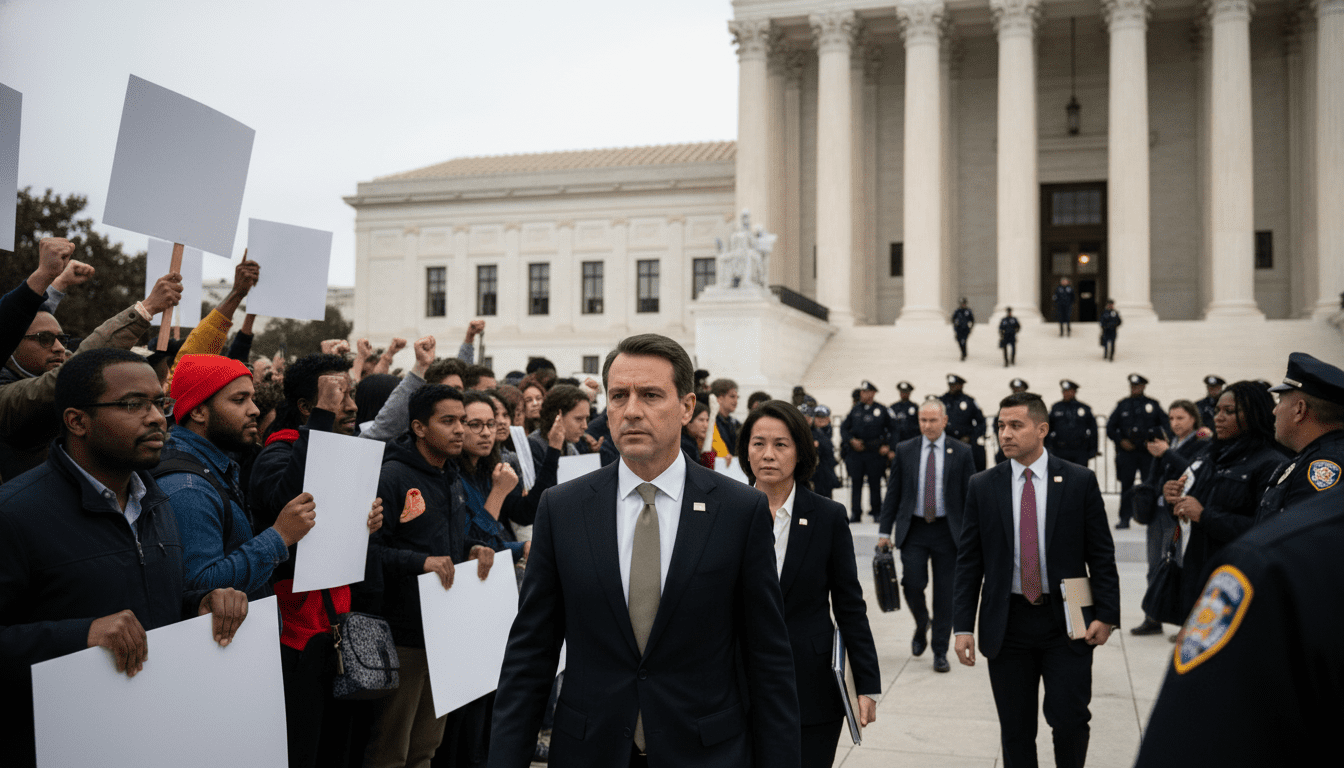
Bayer Faces U.S. Supreme Court Over Glyphosate Warning Labels
U.S. Supreme Court will decide whether Bayer must warn consumers on glyphosate packaging about cancer risk, resolving conflicting lower-court rulings and shaping future litigation.
Bayer glyphosate litigation reached a new phase as the U.S. Supreme Court agreed to decide whether the company was legally required to include a cancer warning on its product labels. The question before the justices is focused and narrow: did Bayer fail to provide a lawful warning on packaging for glyphosate-based products? The case follows years of conflicting rulings in lower courts over allegations linking the herbicide to cancer.
Supreme Court to resolve a single labeling question
The appeal centers not on scientific consensus but on a regulatory and legal determination about labeling duties. Plaintiffs argue the absence of a warning on Bayer’s glyphosate products contributed to consumers’ exposure and thus to health harms. Bayer maintains the dispute is one of law—whether federal or state labeling rules imposed a duty to warn on the company’s packaging.
Legal experts say the Supreme Court’s narrow framing could produce a precedent that applies broadly across product-liability and regulatory preemption disputes. A decision that limits state-law labeling claims would likely reduce a path for future lawsuits, while a ruling in favor of plaintiffs could revive or accelerate litigation dynamics.
Background of conflicting lower-court rulings
Over recent years courts in multiple jurisdictions returned mixed verdicts on claims tied to glyphosate and cancer risk. Some juries awarded damages to claimants who said exposure to glyphosate-based herbicides caused their illnesses, while other panels and appellate courts rejected such claims or limited recoveries. Those divergent outcomes left an unsettled legal landscape for Bayer glyphosate litigation.
The inconsistency in rulings prompted appeals that argued for uniform guidance from the nation’s highest court. The Supreme Court’s willingness to take up a single, legally framed question reflects a judicial preference for resolving underlying legal principles rather than re‑weighing scientific debates in a patchwork of state decisions.
U.S. government involvement and amici interest
The United States government’s role has been highlighted in discussions surrounding the case, with federal agencies and officials weighing in on regulatory authority and consumer warnings. That involvement reflects broader stakes: how much state tort law can impose labeling obligations that intersect with federal pesticide regulation and approvals.
Amicus briefs from industry groups, regulatory advocates, and public-health organizations are expected to outline competing views on preemption, regulatory adequacy, and the interplay between scientific assessments and legal duties. Those filings typically aim to influence the Court’s analysis of whether state-law warnings stand alongside or are preempted by federal oversight.
Potential consequences for Bayer’s business and litigation exposure
A ruling that narrows state-level warning claims would likely reduce Bayer’s exposure to future lawsuits alleging inadequate labeling for glyphosate products. Reduced legal uncertainty could ease pressure on the company’s financial planning and investor relations, though other legal and regulatory fronts would remain active. Conversely, a decision affirming the viability of labeling claims could reopen avenues for plaintiffs and increase settlement or defense costs.
Beyond immediate financial effects, the decision could affect how Bayer communicates risk on packaging worldwide, even if the ruling is framed as a U.S. federal question. Multinational companies closely monitor Supreme Court precedent for cues about liability risk and regulatory interaction in foreign markets.
Implications for glyphosate regulation and wider litigation
The Court’s answer may reverberate through broader debates on glyphosate regulation, scientific uncertainty, and how courts handle mass-tort claims tied to widely used chemical products. Regulatory agencies evaluate pesticide safety through administrative processes, but tort litigation remains a parallel mechanism for accountability and compensation in the United States.
Observers caution that a single ruling will not settle scientific disputes about glyphosate’s health effects, but it may reshape how plaintiffs frame claims and how judges gatekeep expert evidence. The decision could also trigger legislative or regulatory reactions at state and federal levels, depending on how stakeholders interpret the balance between federal oversight and state consumer protections.
Voices from the case and reporting team insights
Reporters Jens Tönnesmann and Andreas Sentker explored the legal trajectory and the role of the U.S. government in a recent podcast episode examining how Bayer’s approach to glyphosate litigation evolved. Their reporting highlights the procedural narrowness of the Supreme Court’s review and the broader public interest in the outcome.
Production and editorial contributors to the reporting project emphasized that the Supreme Court’s docket entry is a turning point in a story that has combined legal strategy, regulatory politics, and deeply personal claims by plaintiffs. The episode and accompanying coverage aim to unpack the stakes without revisiting technical scientific assessments.
As the case moves toward briefing and argument, stakeholders across industry, public-health advocacy and the legal community will watch closely for the Court’s reasoning and its effects on future product-liability and regulatory disputes.
