
US sanctions on Lebanese officials draw condemnation from Iran
Iran condemns US sanctions on Lebanese figures, including Tehran’s ambassador to Beirut, after Washington targets nine people accused of blocking peace and disarmament.
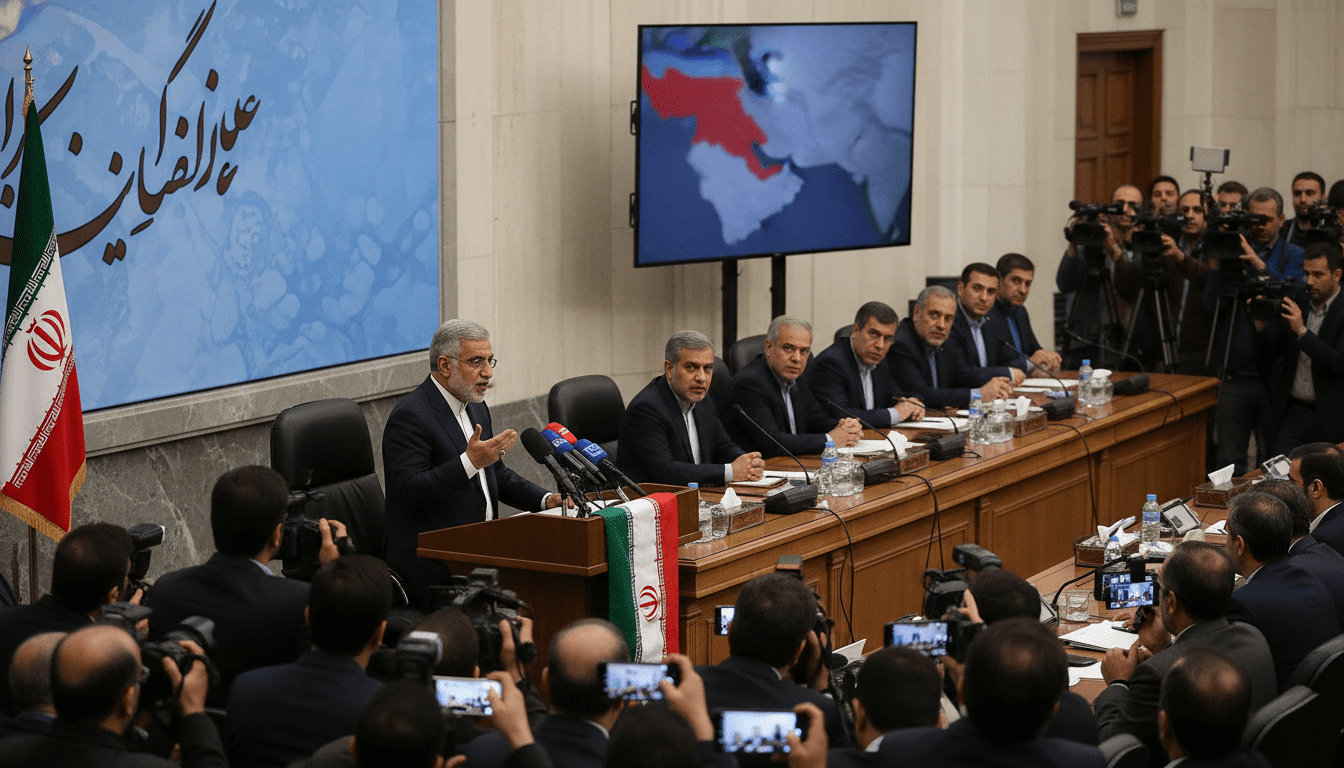
Iran’s Ministry of Foreign Affairs on Thursday denounced US sanctions imposed on Iran’s ambassador to Lebanon and several Lebanese officials and citizens, saying the measures were unjustified and politically motivated. The move follows an announcement from the US Treasury Department that it had sanctioned nine individuals from Lebanon accused of obstructing the peace process and impeding the disarmament of Hezbollah. The designation, and the US rationale for it, has heightened tensions between Tehran and Washington and reopened debate over Hezbollah’s role in Lebanese politics.
US Treasury announces sanctions
The US Treasury Department said it had placed sanctions on nine people from Lebanon, accusing them of actions that “obstruct the peace process in Lebanon and impede the disarmament of Hezbollah.” The announcement identified a network of political actors it said supported Hezbollah’s continued arming and influence. Treasury Secretary Scott Bessent called Hezbollah a “terrorist organization” that must be fully disarmed, framing the sanctions as part of a broader effort to pressure groups and individuals who enable the militia’s political reach.
Iran’s foreign ministry issues formal protest
Iran’s Ministry of Foreign Affairs responded with a formal condemnation of the sanctions, explicitly objecting to the targeting of Tehran’s ambassador to Lebanon and other Lebanese nationals. The ministry described the sanctions as unacceptable interference in Lebanon’s domestic affairs and a politicized use of unilateral punitive measures. Tehran’s statement emphasized diplomatic protections for envoys and warned that such actions could undermine regional stability and bilateral relations.
Treasury secretary’s justification and claims
In a statement accompanying the sanctions, US Treasury Secretary Scott Bessent said Hezbollah relies on a network of political representatives, including members of parliament, to advance its interests. Bessent argued that those political links frustrate Lebanese government efforts to enforce state sovereignty and to institute disarmament measures. The US characterization frames the sanctions as targeting not only militants but the civilian and political infrastructure that the Treasury says sustains the group’s operational capacity.
Targets, allegations and limited public details
The Treasury announcement identified nine Lebanese individuals as targets but did not, in the public statement, provide an exhaustive list of names or roles beyond broad descriptions of political ties. The department’s allegations center on obstruction of peace initiatives and resistance to disarmament calls directed at Hezbollah. The limited public detail around the identities of all sanctioned figures has complicated efforts by outside observers to fully assess the scope and immediate impact of the measures.
Potential diplomatic and domestic consequences
Sanctions of this nature tend to carry both symbolic and material effects, complicating diplomatic relations while constraining financial and travel channels for those designated. Iran’s protest signals that Tehran views the move as a direct affront, particularly because it involves a diplomatic official posted in Beirut. In Lebanon, the sanctions may deepen polarization between factions aligned with Hezbollah and those advocating stricter state control over armed groups, potentially affecting political negotiations and international assistance efforts.
International reaction and next steps
Beyond Tehran’s denunciation, public international responses remain limited pending further disclosures from Washington and replies from Beirut. The US will likely continue to present the measures as part of a broader campaign to pressure Hezbollah and its supporters, while Iran may seek to rally diplomatic support against what it calls extraterritorial coercion. Analysts and governments watching the situation will be looking for whether Lebanon’s authorities issue a reaction, and whether additional designations or countermeasures follow.
The sanctions announced by the US Treasury, and Iran’s immediate condemnation, underscore how deeply intertwined Lebanese domestic politics, regional alliances, and global counterterrorism policies have become. As the situation unfolds, the identities of the implicated Lebanese figures, the practical effects of the measures, and any coordinated international responses will determine whether these sanctions mark an escalation or become another episode in a longer-running geopolitical contest.
