
Germany’s new heating law approved by cabinet replaces 65% renewables rule with biomethane “bio-staircase”
Germany’s new heating law approved May 13, 2026, ends the 65% renewables mandate nationwide and introduces a biomethane “bio-staircase” plus renter cost-sharing.
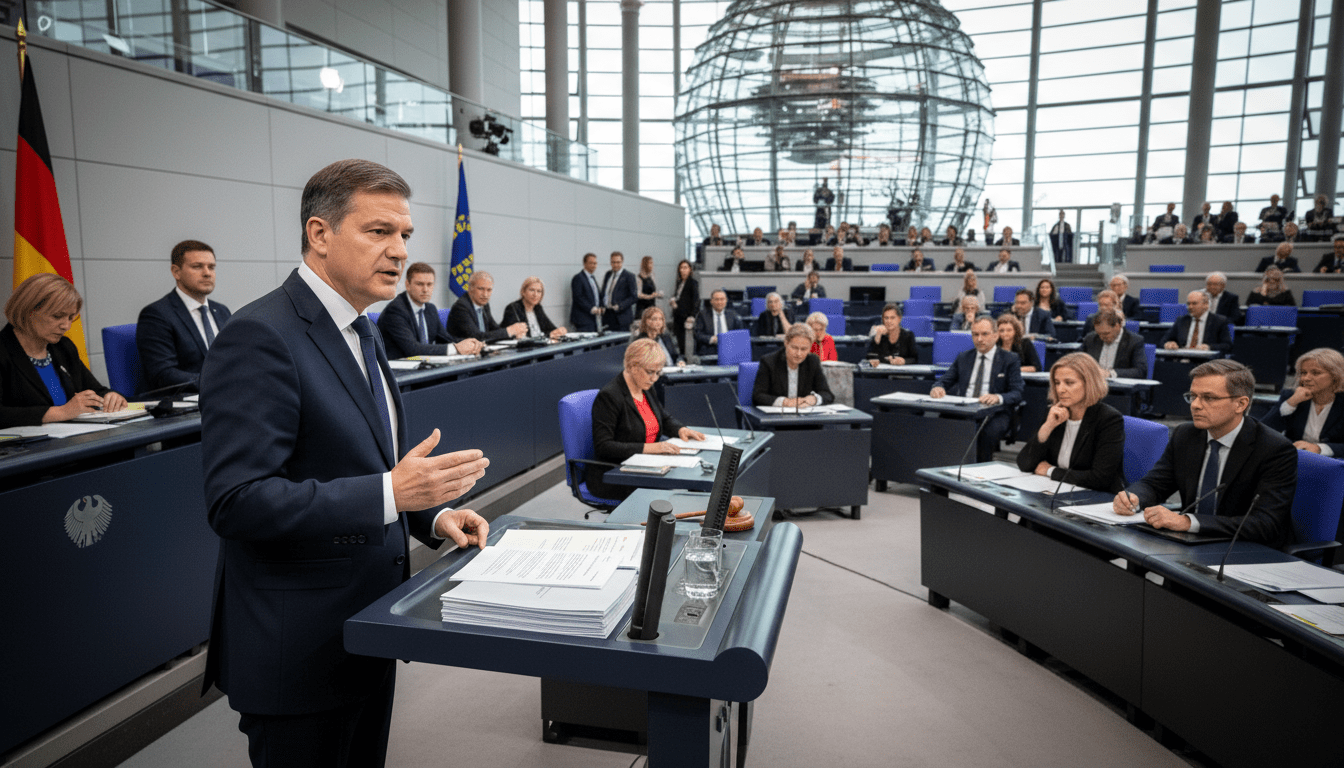
Germany’s new heating law moved forward after the federal cabinet approved a draft bill on Wednesday, May 13, 2026, that removes the previous requirement that new heating systems run on at least 65 percent renewable energy. The bill, drafted by Building Minister Verena Hubertz (SPD) and Economics Minister Katherina Reiche (CDU), now goes to the Bundestag for debate and passage. The package aims to expand homeowner choice while introducing a staged approach to decarbonising gas and oil heating through increasing biofuel blends.
Cabinet endorsement and parliamentary path
The cabinet’s approval clears the way for parliamentary consideration without a compulsory Bundesrat consent, government officials said after the meeting. The draft frames the change as a balancing act between climate targets and cost and supply realities in the heating market. According to the bill’s fiscal assessment, households would see roughly €5.1 billion in annual relief, while the broader economy would net an estimated €2.3 billion in reduced burdens each year.
Abolition of the 65% renewables mandate
Under the new plan, the legal obligation that required newly installed heating systems to operate with a minimum 65 percent share of renewables is set aside. Supporters argue the old mandate was inflexible and had created uncertainty in the market, delaying investments and upgrades. Critics counter that removing the requirement risks weakening climate protection in the building sector, which has repeatedly missed emissions targets in recent years.
Introduction of the ‘bio-staircase’ and blending targets
Instead of the rigid mandate, the bill establishes a “bio-treppe” — a bio-staircase — that will gradually increase the required share of biogenic fuels blended into gas and oil heaters. From 2029, newly installed fossil-fuel boilers are to be operated with rising proportions of biomethane or biooil, with the blending rate scheduled to climb toward 60 percent by 2040. The government acknowledges that reliable market volumes for such fuels are currently limited and that the cost trajectory is uncertain, language that has fuelled debate about the measure’s feasibility.
Protections for tenants and cost-sharing mechanics
Recognising concerns about higher operating costs, the draft instructs protections for tenants against “excessive ancillary costs” resulting from uneconomic heating installations. From 2028, additional costs associated with the CO2 price and gas network charges would be split equally between landlords and tenants. The same 50/50 cost-sharing arrangement is planned for the price surcharges linked to the mandated biofuel blends once they take effect in 2029, according to the cabinet paper seen by Reuters.
Industry response and climate accountability
Industry groups reacted cautiously, welcoming the legal clarity but urging a quicker review schedule. The Federation of German Industries (BDI) said the measure could reduce market uncertainty, but warned that the law’s success must be judged against Germany’s Climate Protection Act and the national goal of achieving climate neutrality by 2045. The BDI urged that the statutory review of the law not be delayed until 2030 but be advanced to 2029 so adjustments can be made if market conditions or emissions trajectories necessitate corrective action.
Legal changes to long-term fuel bans and policy context
The draft explicitly references the Climate Protection Act and retains the government’s commitment to reach net-zero emissions by 2045, a framing designed to counter claims that the reform erodes long-term climate targets. The draft also removes the existing operational ban in the Buildings Energy Act — which would have prohibited running oil and gas boilers on fossil fuels after December 31, 2044 — effectively deleting that sunset clause. Ministers contend that the broader climate law continues to bind policy and that the bio-staircase is intended as a transitional mechanism toward decarbonisation.
The bill’s passage through the Bundestag will be closely watched by building owners, tenants, and energy suppliers, as well as environmental organisations that have already signalled concern about the sufficiency of biogenic fuel supply and the risk of backsliding on emissions. Lawmakers must weigh the projected near-term financial relief for households against the long-term challenge of ensuring the building sector contributes fully to Germany’s 2045 climate neutrality commitment.
Public and parliamentary debates are likely to focus on supply guarantees for biomethane and biooils, the administrative and verification framework for blending mandates, and the timing of statutory reviews. If enacted, the law will reshape investment signals in heating technology and fuel markets at a time when policymakers are under pressure to both protect consumers and accelerate emissions reductions.
Market participants and environmental advocates will now turn their attention to the Bundestag timetable and the technical annexes that will govern how the bio-staircase is implemented, monitored and adjusted in the coming years.
