
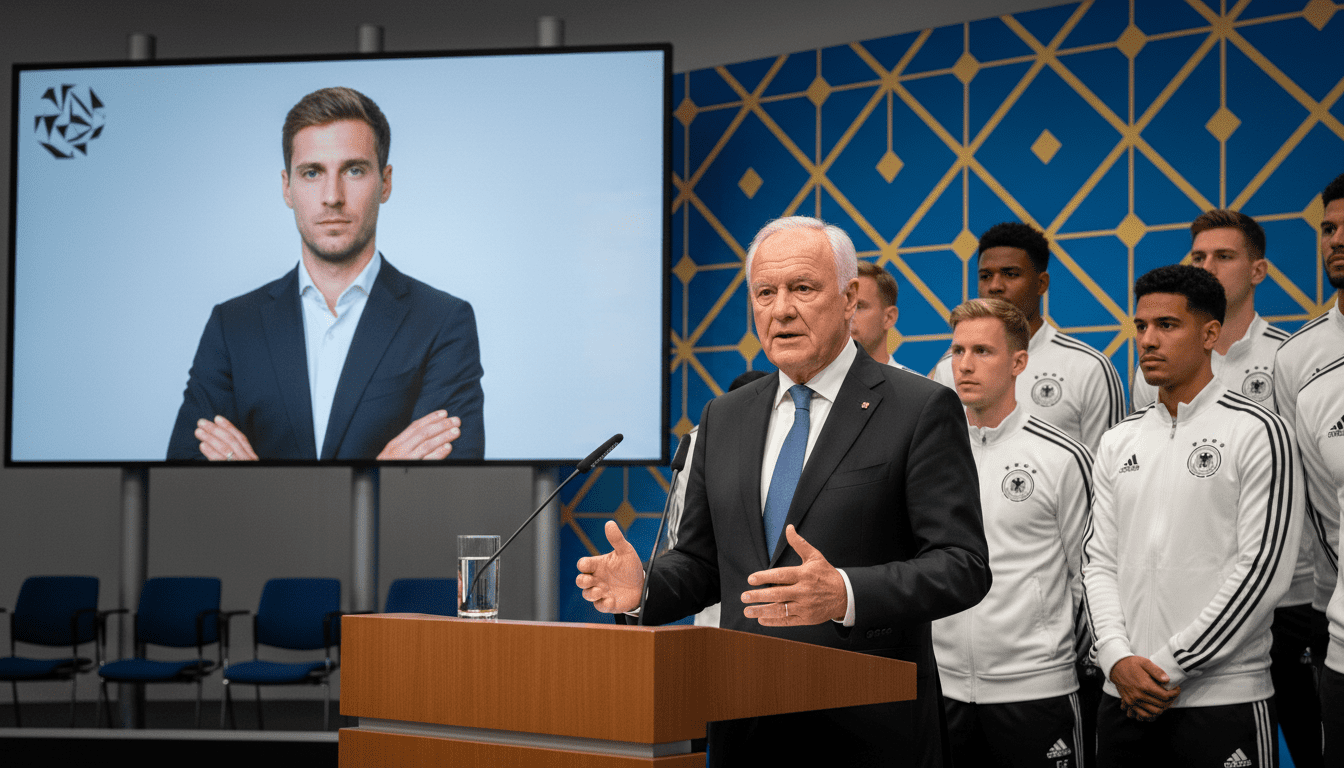
Uli Hoeneß Criticizes Julian Nagelsmann’s Team Selection and Condemns FIFA Ticket Prices
Uli Hoeneß criticizes Julian Nagelsmann’s team selection and questions coaching accountability, while also attacking FIFA’s World Cup ticket pricing and urging affordable fan access.
Uli Hoeneß criticizes Julian Nagelsmann’s approach to Germany’s national team, saying the coach’s rotation and selection choices undermine the chance to build a coherent unit ahead of the World Cup. Hoeneß made the remarks in recent interviews, coupling tactical criticism of Julian Nagelsmann with broader concerns about leadership and commercialisation in football. He argued that a team — not a coach alone — wins matches, and warned that persistent changes to the starting line-up hamper cohesion.
Hoeneß Criticizes Nagelsmann’s Team Selection
Hoeneß said he doubts a coach can succeed if he cannot field the same eleven players twice in a row, implying that Nagelsmann’s frequent rotations prevent the national side from becoming a true team. He contrasted the idea of a coach “winning the game” with his belief that collective team performance determines outcomes. According to Hoeneß, if Germany can coalesce into a unit despite the selection instability, it will have a realistic chance at the tournament.
Hoeneß added that he did not intend personal harm and framed his comments as constructive pressure rather than malice. He indicated that a recent conversation with Nagelsmann left the coach “slightly offended,” underscoring the sensitivity around public critique of national-team leadership.
Comparison to Bayern’s Team-Building
Hoeneß drew a direct comparison between the national team’s situation and his experience at Bayern Munich, where he credited the coach with improving players and forging a cohesive squad. He recalled preseason doubts about Bayern’s depth and described how a strong managerial approach turned that scepticism into success. That contrast was used to underline his conviction that consistent selection and team-building, not isolated tactical gambles, produce sustained results.
He framed Bayern’s model as a blueprint for how a coach can develop players into a functioning collective, stressing that team identity and shared understanding on the pitch are the bedrock of success. The comparison also highlighted Hoeneß’s belief that managerial humility and willingness to listen are essential traits.
Reaction From Nagelsmann and Football Circle
Hoeneß acknowledged that his words had consequences, recounting that Nagelsmann felt hurt after their exchange. He also referenced similar public observations by former officials, noting that other voices in German football have questioned aspects of the national coach’s approach. Those exchanges underline an ongoing debate within the football community about selection policy, communication, and the balance between innovation and stability.
While Hoeneß said he would celebrate Nagelsmann’s success if it comes, he stressed that accountability follows poor results. That stance reflects a larger dynamic in elite football, where high expectations and short margins for error often amplify criticism of coaching choices.
Hoeneß Warns on Coaching Accountability
Hoeneß was explicit about consequences: a coach must live with his decisions, he said, and the verdict of results will ultimately determine public and institutional support. He suggested that success would quiet critics, while failure would make a coach’s position “hard,” signalling that reputational and professional risk accompanies high-profile national duties. His remarks framed coaching as both an opportunity and a proving ground.
He also called for more openness from leaders, arguing that willingness to listen and accept counsel are as important as tactical acumen. In Hoeneß’s view, a balance of firm decision-making and receptiveness to feedback improves a team’s chances long term.
Concerns Over FIFA Ticket Pricing for 2026 World Cup
Separately, Hoeneß turned his attention to the commercial side of the sport by sharply criticizing FIFA’s ticket-pricing strategy for the upcoming World Cup in the United States. He warned that the tournament risks mirroring an elite American spectacle rather than remaining a broadly accessible sporting event. Hoeneß cited extreme examples of hospitality pricing and resale figures to illustrate his point and to question the direction of modern football economics.
He gave the Super Bowl as a cautionary example, describing luxury loges that cost millions for a single day and prioritise spectacle over the match itself. Hoeneß also pointed out reported resale listings and headline ticket figures that he said threaten to put premier football beyond the means of many ordinary supporters.
Calls for Accessible Football and Fan Protection
Hoeneß urged governing bodies and clubs to maintain affordable access for core supporters, noting that Bayern Munich still offers season tickets at low price points for those with limited means. He stressed pride in such policies and said football should not force fans to choose between attending matches and meeting basic household expenses. His comments framed affordable tickets as a matter of culture and social inclusion, not just pricing strategy.
He argued that protecting fan access is essential to preserving the sport’s identity and community role, and cautioned that unchecked commercial trends could alienate long-standing supporters. Hoeneß said football must remain an experience that ordinary people can share without financial sacrifice.
Tensions over tactical direction and commercial policy now sit alongside growing expectations for Germany as the national side heads into a major tournament. Hoeneß’s twin critiques — of Julian Nagelsmann’s rotation policy and of FIFA’s ticketing decisions — crystallise wider debates about leadership, accountability and the future shape of the game.
