
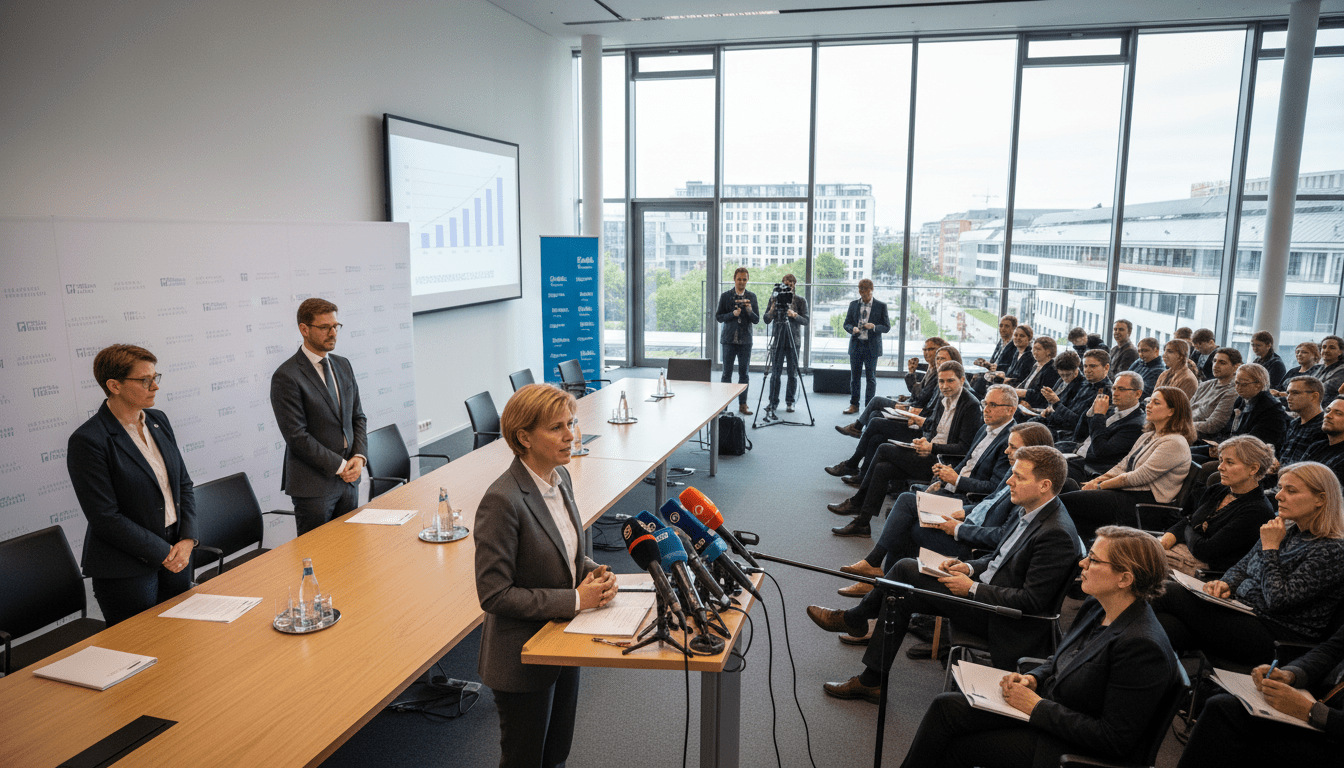
Landlord lobby urges income-based modernization surcharge to shield low earners
A German landlord association calls for modernization surcharge payments to be limited to higher-income tenants, saying fairness requires wealth-based allocation of renovation costs.
The proposal from the Federal Association of German Housing and Real Estate Companies (GdW) would make the modernization surcharge payable only by tenants with higher incomes, arguing that low-income households should not face the same post-renovation rent increases. The suggestion has reignited debate over rent fairness, energy retrofits and the economic incentives that shape urban housing markets.
GdW proposal and rationale
The GdW’s plan would exempt lower-income tenants from bearing the full burden of modernization surcharges, effectively shifting a larger share of upgrade costs onto better-off residents. The association cited cases in which a single parent or a modestly paid nurse faces the same rent rise after a renovation as a higher-earning household living in the same building.
Proponents frame the change as a social correction that targets relief to vulnerable tenants while preserving owners’ ability to finance building improvements. The proposal aims to combine tenant protection with the preservation of housing stock through continued investment.
Market economists warn of distorted incentives
Critics say an income-based modernization surcharge risks undermining basic market signals that guide maintenance and investment decisions by landlords. If landlords cannot recoup upgrade costs from all tenants, they may have weaker incentives to invest in energy efficiency or essential repairs.
Opponents also argue that such rules could encourage landlords to seek tenants with higher incomes or to convert rental units to other uses where cost recovery is easier. That, they say, could exacerbate the very shortages and displacement pressures the measure intends to solve.
Potential effects on renovation and energy upgrades
Limiting the modernization surcharge for low-income tenants may reduce the feasibility of large-scale energy retrofits in older housing blocks. Many energy-efficient renovations rely on predictable streams of cost recovery; constraining that stream could delay or cancel projects that lower emissions and long-term heating costs.
Policy designers face a trade-off: protect current tenants from immediate rent shocks while maintaining a financial model that supports essential building improvements. The balance will determine whether Germany reaches climate and housing preservation goals without further squeezing vulnerable residents.
Distributional consequences in tight housing markets
Analysts caution that in major cities where demand outstrips supply, protective measures aimed at shielding low-income tenants from modernization surcharge increases may instead accelerate sorting by income. Landlords seeking to finance upgrades could prioritize re-letting units to higher-paying households, reducing available stock for lower-income applicants.
The result could be a subtle form of filtering, where renovation costs are indirectly borne by displaced or excluded tenants rather than absorbed within mixed-income communities. This dynamic would sustain urban housing pressures while shifting burdens in less visible ways.
Policy alternatives and complementary measures
Experts suggest several alternatives that policymakers could consider alongside or instead of income-targeted modernization surcharge rules. Direct subsidies for energy retrofits, low-interest public loans to housing providers and targeted rent assistance for vulnerable households are among the options that preserve investment incentives.
Stronger tenant protections combined with measures to increase the overall supply of affordable housing would address root causes rather than only the symptoms. Coordinated approaches that tie modernization funding to social housing mandates or sliding-scale support could limit unintended market distortions.
Political and legal hurdles ahead
Any formal change to how modernization surcharges are applied would require legislative clarity and likely face legal scrutiny over property rights and contract law. Implementing income-based surcharges would also demand reliable income verification systems and administrative capacity at the municipal or federal level.
Lawmakers must weigh short-term relief for specific tenants against broader implications for landlords’ capacity to maintain and upgrade housing. The political appetite for intervention will hinge on how well alternatives address supply, affordability and climate objectives simultaneously.
The conversation over modernization surcharge policy highlights a deeper tension in urban housing policy: how to protect low-income households from abrupt rent increases while ensuring the financial viability of necessary building upgrades. Without concurrent measures to expand affordable supply and subsidize energy retrofits, income-targeted surcharges risk shifting burdens and limiting long-term investment in the housing stock.
