
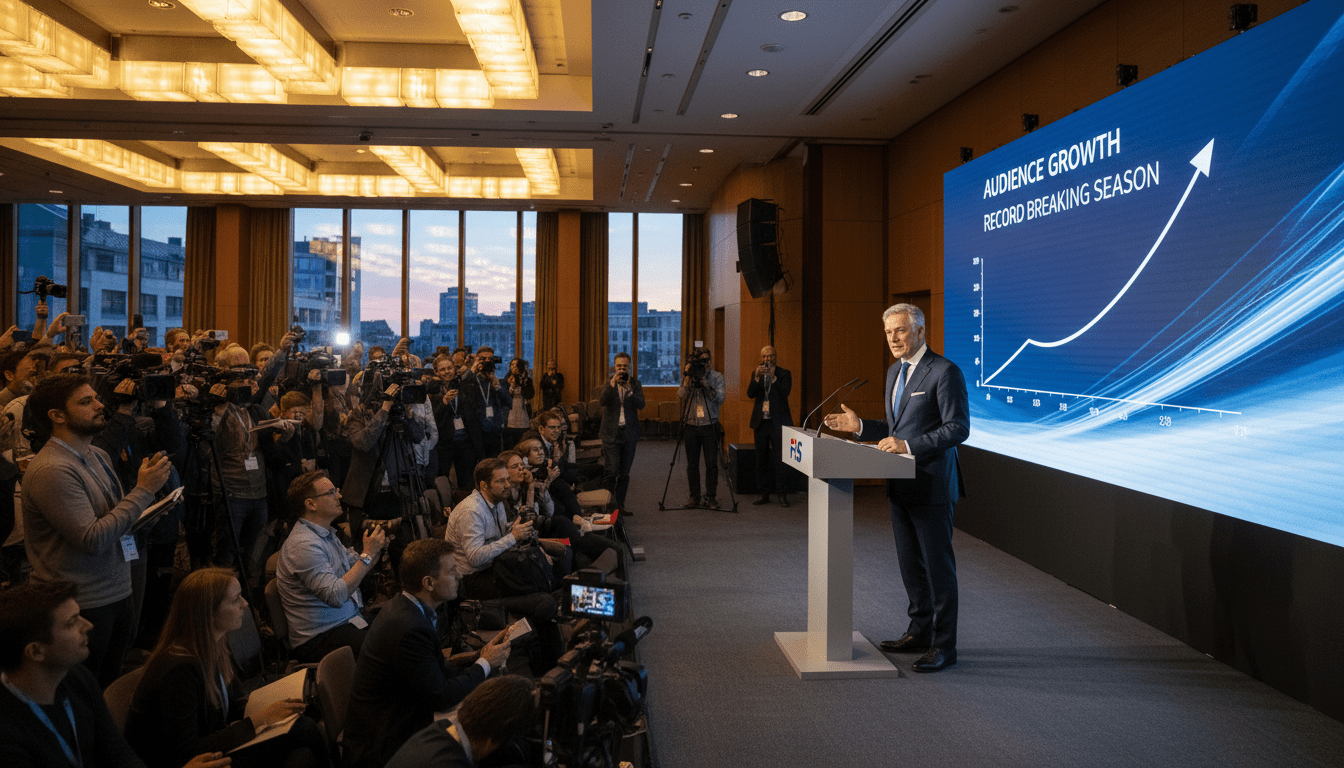
FIS President Praises “Exceptional” Season as TV and Social Media Drive Fan Growth
FIS president Johan Eliasch says the winter season was “exceptional,” citing expanded TV reach and social media engagement that drew record audiences to ski and snowboard events.
The president of the International Ski and Snowboard Federation (FIS) sent a letter to national federations this month describing the past winter as exceptional for the sport. Johan Eliasch highlighted stronger television coverage and surging social media metrics that, he said, produced higher fan numbers than ever. His message framed the season’s gains in audience, diversity, safety and sustainability as the foundation for the sport’s “next chapter.”
FIS President Frames the Season as a Turning Point
Eliasch’s communication to member nations emphasized measurable advances in exposure and public interest across the winter calendar. He pointed to broadcast deals and digital campaigns as drivers that amplified visibility for competitions and athletes. The letter asserted that those gains should inform how FIS plans for future seasons.
The use of promotional language in the letter—describing the season as “remarkable” and “exceptional”—signals an effort to generate momentum ahead of upcoming decisions. Officials within national federations will now assess whether the narrative matches the data from ticketing, broadcast ratings and federation budgets. Those assessments are likely to shape FIS strategy and internal priorities.
Broadcast and Social Platforms Credited with Audience Growth
Eliasch singled out television presence and social media outreach as central to the reported uptick in fans. Broadcasters extended live and highlight packages across international windows, while federations and athletes expanded their direct-to-fan content online. That dual approach appeared to deliver both traditional viewers and younger, digitally native audiences.
Industry observers say TV remains the backbone for sponsorship revenue, while social platforms accelerate engagement and athlete profiles. Federations are increasingly tasked with balancing investment in media rights with support for on-the-ground event delivery. How revenue from those channels is reinvested will be a central question for FIS and its members.
Claims of Greater Diversity, Safety and Sustainability
The president’s letter also highlighted progress on diversity, athlete safety and environmental sustainability as markers of an evolving sport. Initiatives to broaden athlete participation, strengthen medical protocols and reduce the carbon footprint of events were cited as evidence of systemic change. Eliasch urged federations to continue those efforts while scaling successful pilots.
Skeptics caution that rhetoric must be matched by measurable policy outcomes, such as increased funding for underrepresented programs and published safety metrics. Environmental advocates note that sustainability efforts often require long-term investment in transportation, event planning and venue upgrades. Federations will be asked to demonstrate how new commitments translate into practice at national and local levels.
National Federations and Stakeholders Weigh In
Responses among national bodies are expected to vary according to local circumstances, budget constraints and competitive priorities. Some federations welcome the positive framing and see the letter as a rallying call to capitalize on momentum. Others want clearer data on viewership, ticket revenues and the distribution of any incremental funds tied to media growth.
Event organizers and athlete representatives will also look for tangible benefits, such as improved safety resources, athlete support and transparent revenue-sharing. The balance between commercial expansion and maintaining grassroots development remains a recurring theme in discussions between FIS and its member federations.
Timing and Next Steps for the Ski and Snowboard Calendar
Eliasch’s message comes as federations prepare for planning cycles, sponsorship negotiations and rule updates for future seasons. FIS leadership has positioned the reported gains as a basis for collective planning and investment in sport development. Upcoming meetings and congresses will likely include debate over how to allocate resources and which programs to prioritize.
Officials expect detailed metrics on broadcast reach, digital engagement and event sustainability to inform those discussions. The federation’s ability to present clear evidence of audience growth will influence sponsor interest and national federation buy-in. Practical steps could include expanded media rights strategies, targeted development grants and intensified safety audits.
Looking ahead, FIS faces the task of translating broad claims of success into sustained progress on the ground. The federation must reconcile global ambitions with the diverse needs of national members and the realities of event hosting. How effectively those elements are aligned will determine whether the season heralded as “exceptional” becomes a durable inflection point for winter sport.
The letter from President Eliasch has set expectations for growth, inclusion and improved operations across the winter-sport ecosystem. Federations, athletes and commercial partners are now positioned to test those assertions with concrete plans, data and budgets. The coming months will reveal whether the momentum of the past season can be converted into lasting change for ski and snowboard competition worldwide.
