
UK approves tobacco sales ban for those born after 2008
UK parliament approves a law banning the sale of tobacco to anyone born after 1 January 2009, creating a permanent cohort excluded from legal purchases.
Parliament passes cohort-based purchasing ban
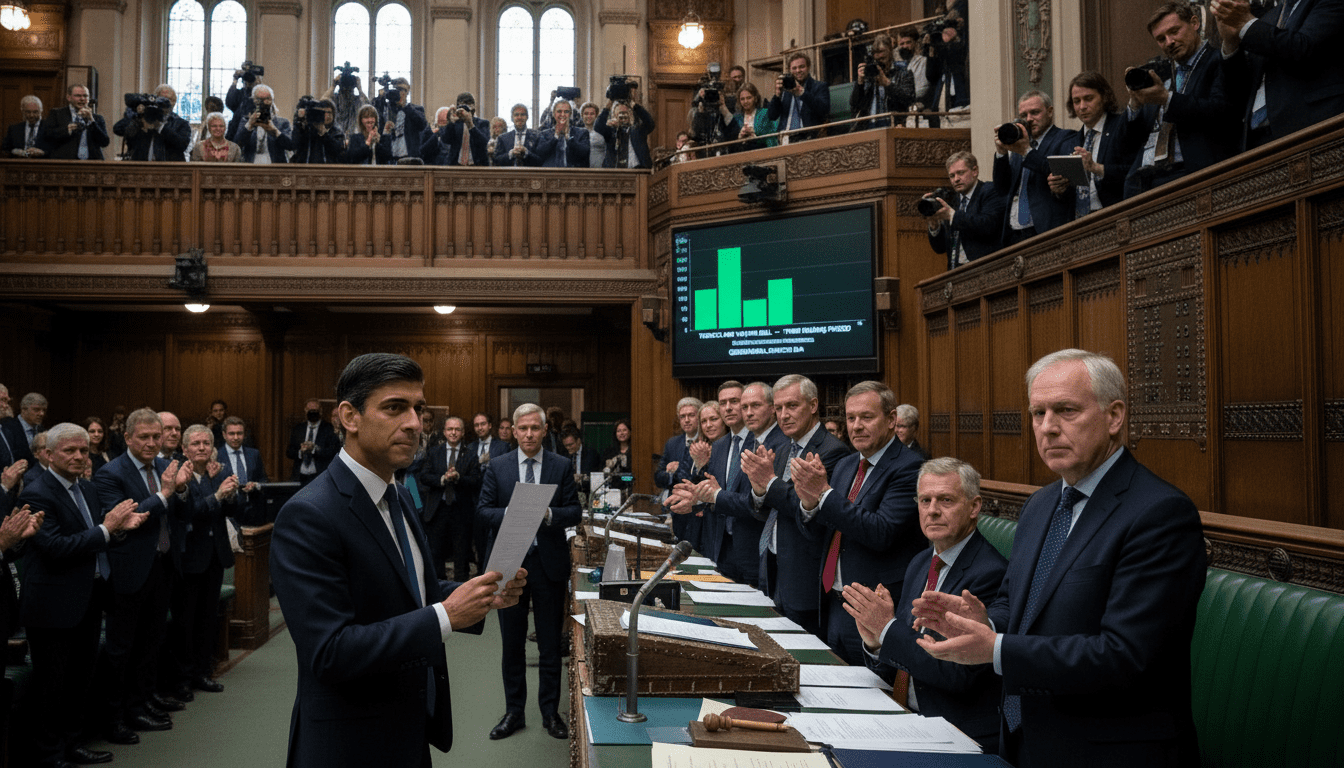
The UK Parliament has passed legislation that will prevent people born on or after January 1, 2009 from ever legally buying cigarettes and similar tobacco products. Members approved the bill in its final Commons vote by 366 to 41 at the end of March, clearing a key parliamentary hurdle.
Royal assent remains the last formal step before the measure becomes law, a procedural confirmation widely expected to follow quickly. The measure does not criminalise smoking itself but bars legal retail access to tobacco for the affected cohort.
How the progressive age restriction will work
Rather than imposing a one-time ban, the law introduces a mechanism that raises the legal purchase age each year for new cohorts. In effect, the cohort born after 2008 will never reach a legal purchase age under the scheme, locking in the restriction as they age.
Retailers will be required to enforce the new age rules, and the legislation includes penalties aimed at preventing illicit sales to the banned cohorts. Officials say regulators will publish guidance for sellers and enforcement agencies before the rules take full effect.
Health minister hails a ‘smoke-free generation’
Health Secretary Wes Streeting described the bill as a “historic moment,” saying it will protect a “smoke-free generation” from lifelong addiction and chronic disease. Government communications framed the law as a long-term public health investment to reduce future rates of smoking-related illness.
Public health groups welcomed the move. Hazel Cheeseman, chief executive of Action on Smoking and Health (ASH), called the bill a decisive shift and described it as a sustainable gift for future generations, noting the potential to cut smoking prevalence over decades.
E-cigarette and vape restrictions expanded
The legislation also tightens rules on electronic cigarettes and vaping. New restrictions will ban vaping on playgrounds, in cars carrying children, and inside hospitals, extending smoke-free environments to areas frequented by vulnerable people.
Authorities had already outlawed the sale of disposable single-use vapes popular with young people; that measure took effect on June 1, 2025. The fresh limits aim to reduce youth exposure to nicotine and the normalization of vaping in public spaces.
International context and precedents
The UK joins a small but growing group of countries experimenting with cohort-based tobacco restrictions. The Maldives implemented a similar ban in November, blocking tobacco sales to people born on or after January 1, 2007. New Zealand introduced comparable legislation at the end of 2022 under a previous government but saw it overturned by a subsequent administration within two years.
Policymakers point to these examples to show both the promise and political fragility of such laws. Public health advocates argue that the cohort model can significantly reduce smoking initiation, while critics raise concerns about enforcement and potential unintended consequences.
Enforcement, illicit markets and retailer responsibilities
Officials say enforcement will focus on retailer compliance and targeted inspections rather than criminalising users. The government plans to work with trading standards, local authorities, and police to reduce illegal sales and to support businesses adapting to the new rules.
Industry groups warn that restricting legal supply risks expanding black markets unless enforcement keeps pace. The government has pledged resources for monitoring and penalties to deter unlawful trade, while also funding cessation and prevention programmes for young people.
Next steps and implementation timeline
With parliamentary approval secured, the law awaits the monarch’s formal consent, after which secondary regulations and implementation guidance will be published. Ministers expect a phased rollout that allows retailers time to adjust and regulators to set enforcement priorities.
Public health organisations will watch closely for the publication of guidance and for commitments on funding cessation services and public information campaigns. Long-term impact assessments are likely to follow as the law begins to affect smoking prevalence in coming years.
Supporters say the measure could reduce future burdens on the NHS by lowering smoking-related disease, while opponents continue to question the policy’s enforcement challenges and social effects.
The legislation marks a significant shift in how a major economy seeks to reduce tobacco use by effectively removing legal retail access for an entire generation.
