
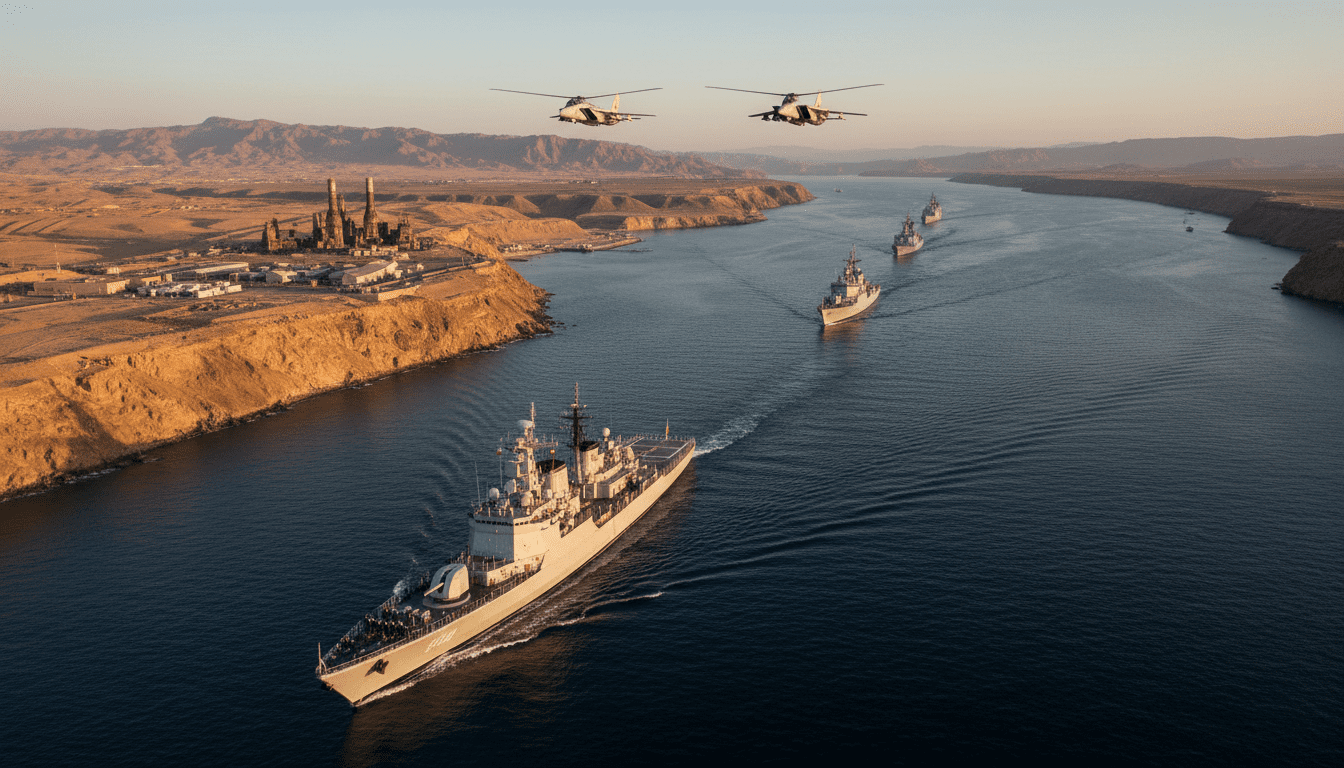
Iran Ready to Deliver “Decisive” Response, Senior Commander Warns
Major General Gholam Ali Rashid says Iran ready to deliver decisive response to any breach, citing strengthened missile and drone forces and threats to Hormuz.
Iran’s military leadership warned on Tuesday that Tehran is prepared to deliver a “decisive” response to any breach of commitments by its adversaries, with a senior commander highlighting strengthened missile and drone capabilities. Major General Gholam Ali Rashid Abdollahi of the Khatam al-Anbiya Central Headquarters said Iran’s armed forces remain fully prepared to respond to threats, and he singled out possible actions affecting the Strait of Hormuz. The announcement underscores Tehran’s intention to signal deterrence without describing specific retaliatory measures.
Senior Commander Issues Warning
Major General Gholam Ali Rashid Abdollahi delivered the warning on behalf of the Khatam al-Anbiya Central Headquarters, saying Iran would respond if commitments were violated. He described the response as “decisive,” a term that officials often use to convey both capability and intent without detailing operational plans. The statement was framed as a deterrent aimed at adversaries who might contemplate escalatory actions.
Operational Readiness of Iranian Forces
Rashid said Iran’s armed forces are fully prepared to confront threats and that operational readiness has been maintained across services. He emphasized command cohesion and the integration of various branches under unified plans, indicating sustained training and logistical preparedness. The comments suggest Tehran is prioritizing rapid response options in its strategic posture.
Missile and Drone Capabilities Emphasized
The commander specifically cited improvements in Iran’s missile and drone forces as factors that have strengthened its position. Iran has in recent years showcased a range of ballistic and cruise missiles alongside unmanned aerial systems, and the statement reiterated their central role in Tehran’s deterrence strategy. Rashid’s reference to these capabilities signals that Iran views conventional precision fires and unmanned systems as primary instruments for shaping regional calculations.
Reference to the Strait of Hormuz
Rashid warned that violations related to the Strait of Hormuz would prompt an appropriate response, drawing attention to a critical maritime chokepoint. The strait is a key artery for global energy shipments, and any disruption there can have broad economic and diplomatic consequences. By invoking Hormuz, the commander linked military readiness to protection of strategic maritime interests and deterrence of actions that could imperil navigation.
Regional Security Implications
The warning is likely to affect calculations across the Gulf and Levant, where rivalries and security dilemmas persist. Regional governments and military planners will interpret the message as part of Tehran’s broader effort to deter external pressure and project influence. Analysts say such declarations can harden postures on all sides, complicating diplomatic options and increasing the risk of miscalculation.
International Risks and Economic Concerns
A public emphasis on decisive military responses raises concerns for international stakeholders who monitor shipping, energy security, and force deployments in the region. Commercial shipping firms and insurers closely watch statements that reference Hormuz because any hint of confrontation can push up freight costs and prompt precautionary measures. Diplomatic channels and naval forces operating in the area typically scan such developments for signs of escalation.
Command Structure and Deterrence Strategy
The mention of the Khatam al-Anbiya Central Headquarters highlights the institutional framework Tehran uses to coordinate strategic defense and major projects. Command-level pronouncements serve both domestic signaling and external deterrence, communicating resolve to adversaries while reassuring internal audiences. Rashid’s comments fit a pattern of leveraging military posture to shape political bargaining space.
The statement by Major General Rashid reaffirms Iran’s stated intent to deter breaches of commitment and to defend what it deems critical national interests, while stopping short of detailing specific retaliatory measures. Observers will watch for follow-up communications from Tehran and responses from regional and international actors, as the balance between deterrence and escalation remains delicate in a strategically sensitive neighborhood.
