
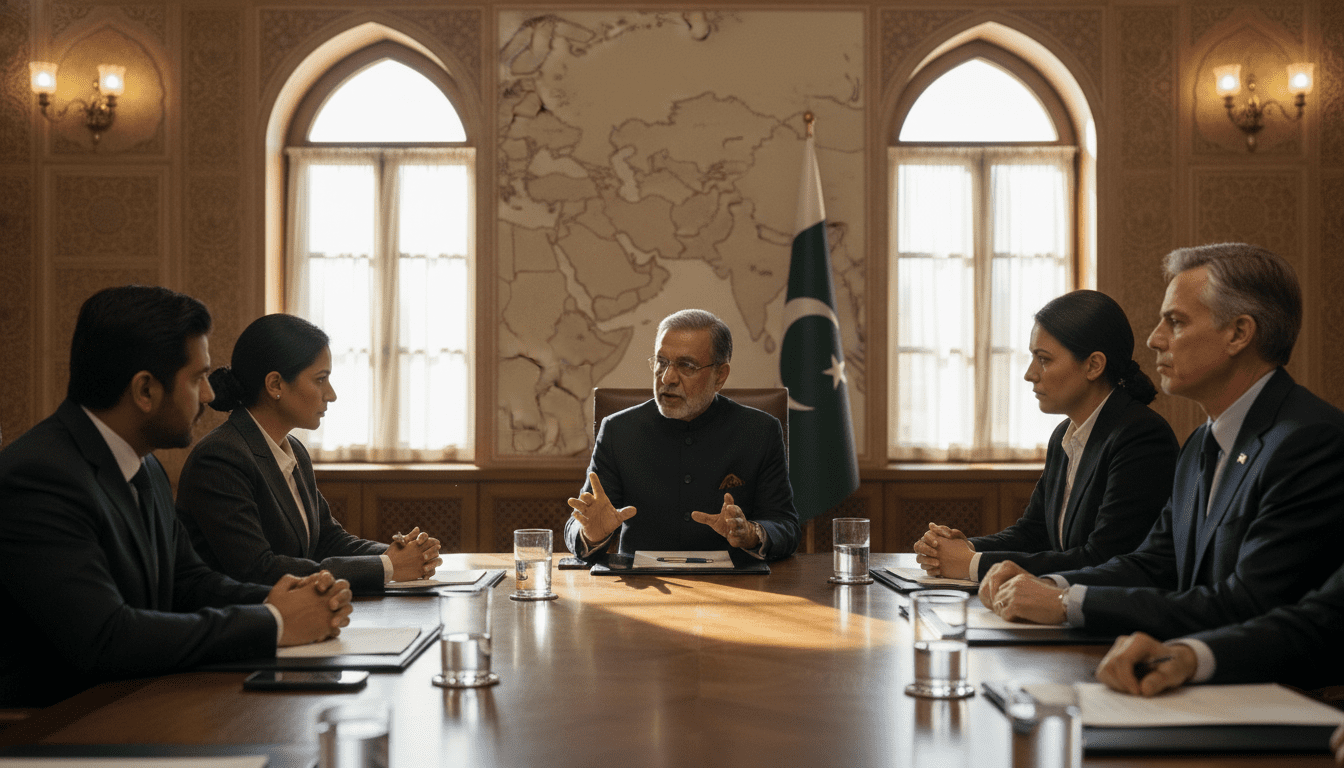
More U.S.-Iran Peace Talks May Be Held This Week as Pakistan Pushes to Host
Pakistan is pressing to organize a second round of U.S.-Iran peace talks this week, with U.S. officials signaling readiness and Tehran’s response set to determine next steps.
U.S.-Iran peace talks could reconvene within days after Pakistani officials said they were working to arrange a follow-up meeting this week, and President Trump indicated talks might occur in the near term. Pakistani intermediaries reportedly approached both capitals to serve as host and facilitator, a move that Washington described as constructive. U.S. officials say they have outlined firm negotiating lines, while Tehran’s willingness to respond will shape whether discussions yield an agreement.
Pakistan Seeks to Host Follow-up Talks
Pakistani diplomats have actively engaged with both Washington and Tehran as part of a push to convene another round of negotiations this week. Officials in Islamabad positioned their country as a neutral venue and intermediary capable of shepherding a renewed dialogue. The effort follows an initial exchange of proposals that interlocutors say left several significant issues on the table.
The push by Pakistan reflects a broader regional interest in avoiding escalation and stabilizing economic and security ties. Islamabad’s diplomatic outreach has included direct contacts with senior figures in both capitals and consultations with regional partners. Organizers face logistical and political hurdles but present the move as an opportunity to build momentum.
U.S. Signals Readiness While Reaffirming Red Lines
Senior U.S. policymakers have said Washington is prepared to continue negotiations and has already made concrete offers to advance a settlement. Administration officials have emphasized that any normalization of relations would require Iran to abandon efforts to acquire a nuclear weapon and to curtail support for militant activity abroad. The U.S. posture combines readiness to negotiate with public reminders of non-negotiable security constraints.
White House spokespeople framed the U.S. approach as conditional: incentives for Tehran would be available only if verifiable changes in behavior were forthcoming. That stance is intended to reassure domestic constituencies and regional allies that diplomacy will not undermine core security objectives. At the same time, the administration has kept open the possibility of expedited talks if Iran signals receptivity.
Iran’s Response and Internal Constraints
Tehran’s decision whether to engage further will be shaped by both strategic calculations and domestic political pressures. Iranian leaders have historically linked diplomatic openings to concrete relief from sanctions and guarantees against future pressures, while hard-line elements remain skeptical of rapid concessions. Any move toward an agreement will require Tehran to weigh economic incentives against security and prestige considerations.
Analysts note that Tehran’s negotiating leverage stems in part from its regional networks and its control over nuclear-related activities that would need stringent verification. Iranian officials have not publicly closed the door to renewed talks, but they will likely insist on phased concessions and safeguards to guard against a return to punitive measures. How Iran frames any engagement will be central to whether a deal is within reach.
Possible Timeline and Diplomatic Logistics
If Pakistan succeeds in lining up participants and a venue, diplomats say a session could be arranged on short notice, possibly within days. Planners must resolve questions about the negotiating format, the presence of technical verification teams, and whether additional regional actors will observe or participate. Security arrangements and assurances for delegations also remain a priority for hosts and visiting officials.
Even rapid meetings can be useful for clarifying positions and narrowing differences, though negotiators caution that complex agreements typically require sustained, multi-track engagement. Officials expect preliminary sessions to focus on framework issues and confidence-building measures rather than finalizing detailed texts. The coming days will likely reveal whether the initiative can sustain forward momentum.
Regional Stakes and International Reactions
Nearby states and global powers are closely watching the prospect of resumed U.S.-Iran diplomacy because of the potential impact on sanctions, trade, and regional security dynamics. Gulf states, European partners, and actors such as Russia and China have an interest in either stabilizing tensions or protecting strategic advantages. A reopening of talks could prompt shifts in diplomatic alignments and economic planning across the region.
Observers caution that a successful diplomatic track could reduce the risk of military escalation and ease pressure on energy markets, but it could also provoke domestic backlash in states that view Tehran’s policies as threatening. International institutions and allied capitals are likely to press for clear verification mechanisms and multilateral involvement to reinforce any bilateral understandings.
Prospects for a Deal and Key Obstacles
While talks can begin quickly if parties agree, major obstacles remain to achieving a durable settlement. Verification of nuclear commitments, rollback or containment of proxy activities, sequencing of sanctions relief, and domestic political acceptance in all capitals are among the hardest issues. Negotiators must bridge gaps on both technical inspection regimes and broader strategic assurances.
Diplomatic success will hinge on whether incremental confidence-building steps can create a stable foundation for more comprehensive accords. If Tehran and Washington can agree on verifiable benchmarks and credible enforcement, a pathway to partial normalization could emerge. Conversely, failure to reach common ground could harden positions and increase the risk of renewed confrontation.
U.S.-Iran peace talks that resume this week would mark an important moment in a long-running confrontation, with the outcome depending heavily on Tehran’s response and the ability of intermediaries to keep channels open. Stakeholders in the region and beyond will be monitoring developments closely as negotiators test whether immediate engagement can translate into lasting change.
