
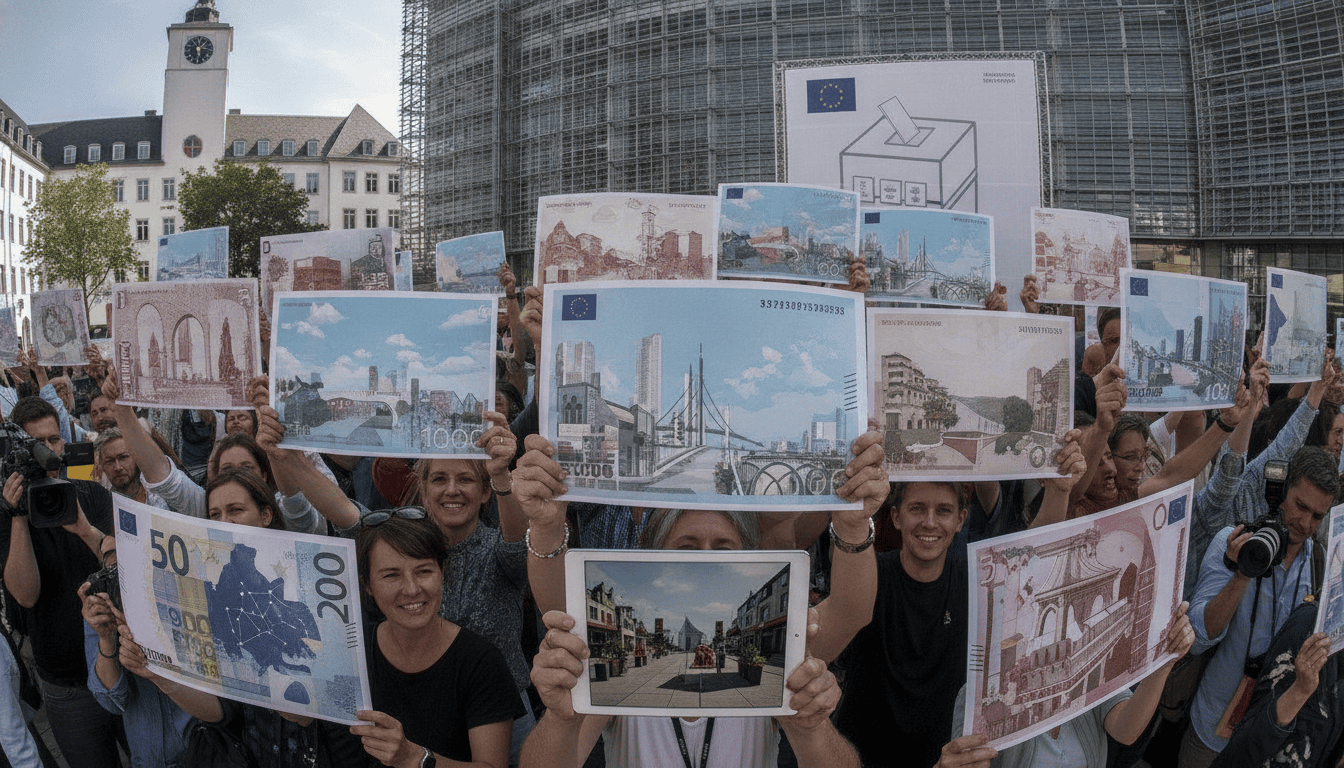
EU Citizens Can Vote on New Euro Designs as Public Survey Runs Until September 21
EU citizens can vote on the new euro designs until September 21, 2026, the European Central Bank says, shaping which motifs could appear on future banknotes. The public consultation over the proposed banknote designs opens a rare window for citizens to influence the appearance of currency used across the euro area. Officials note that the voting is only one step in a multi-year approval and production process, meaning the new notes would not enter circulation immediately.
Public voting open until September 21
The public consultation on the new euro designs closes on September 21, 2026, giving EU citizens roughly seven weeks to register preferences. Organizers have emphasized that the survey is intended to gauge public sentiment rather than deliver an immediate decision.
Participation is available to any resident of the European Union, and the ECB is promoting the vote to encourage engagement with questions of currency identity. While the survey outcome will inform next steps, authorities caution that additional technical and legal reviews remain necessary before a final design is adopted.
Proposed motifs and visual themes under consideration
Drafts of the new euro designs present a range of motifs intended to reflect shared European heritage and modern security requirements. Designers and central-bank officials say the proposals balance aesthetic choices with advanced anti-counterfeiting features and accessibility considerations.
Observers note that imagery and portraiture on banknotes can carry symbolic weight, influencing how citizens perceive the currency. The current proposals are therefore being tested not only for visual appeal but also for technical resilience and clarity for visually impaired users.
How the public can take part in the survey
The vote is being conducted online through the ECB’s official consultation platform, where respondents can view candidate motifs and submit preferences. The ECB has provided explanatory materials and FAQs to help voters compare design options and understand the selection criteria.
Organizers have encouraged broad participation, framing the consultation as a civic opportunity rather than a binding referendum. Results from the public vote will be collated and published, then forwarded to the institutions responsible for the formal approval process.
Timing, approvals and when notes might appear
Even if the public settles on preferred designs in the coming months, experts stress that banknote redesign is a long process. The ECB and relevant EU bodies will need to complete technical testing, legal authorizations and production planning before notes can be printed and released.
Officials estimate that, at the earliest, new banknotes could enter circulation in about two years, given manufacturing timelines and distribution logistics. That timeframe also allows for the roll-out of updated security and counterfeit-detection measures across financial institutions.
Context: the public quiz and wider currency literacy
The consultation has been promoted alongside a public quiz aimed at boosting familiarity with currency facts, from ISO currency codes to the imagery on foreign banknotes. The quiz format is designed to engage a wider audience and spark interest in the often opaque processes behind monetary design.
Journalists and educators say such initiatives can deepen public understanding of what banknote features mean, including security threads, portrait choices and the representation of national and European symbols. The outreach component aims to make the technical discussion more accessible to non-specialists.
Implications for identity, security and circulation
Changing banknote designs carries symbolic and practical consequences: new motifs can shift collective narratives about shared history, while updated technical features seek to stay ahead of counterfeiters. Central banks must balance public taste with the imperative of security and durability in everyday use.
Policy makers also consider the logistical challenge of introducing new notes across a large currency union, ensuring smooth transitions for businesses, ATMs and cross-border payments. The consultation phase gives citizens a voice, but it does not remove the procedural checks that govern currency issuance.
The public consultation closing on September 21 is a notable step in a slow, technical process that blends design, security and public engagement, and it underlines how ordinary currency can become a subject of democratic input and technical scrutiny.
