
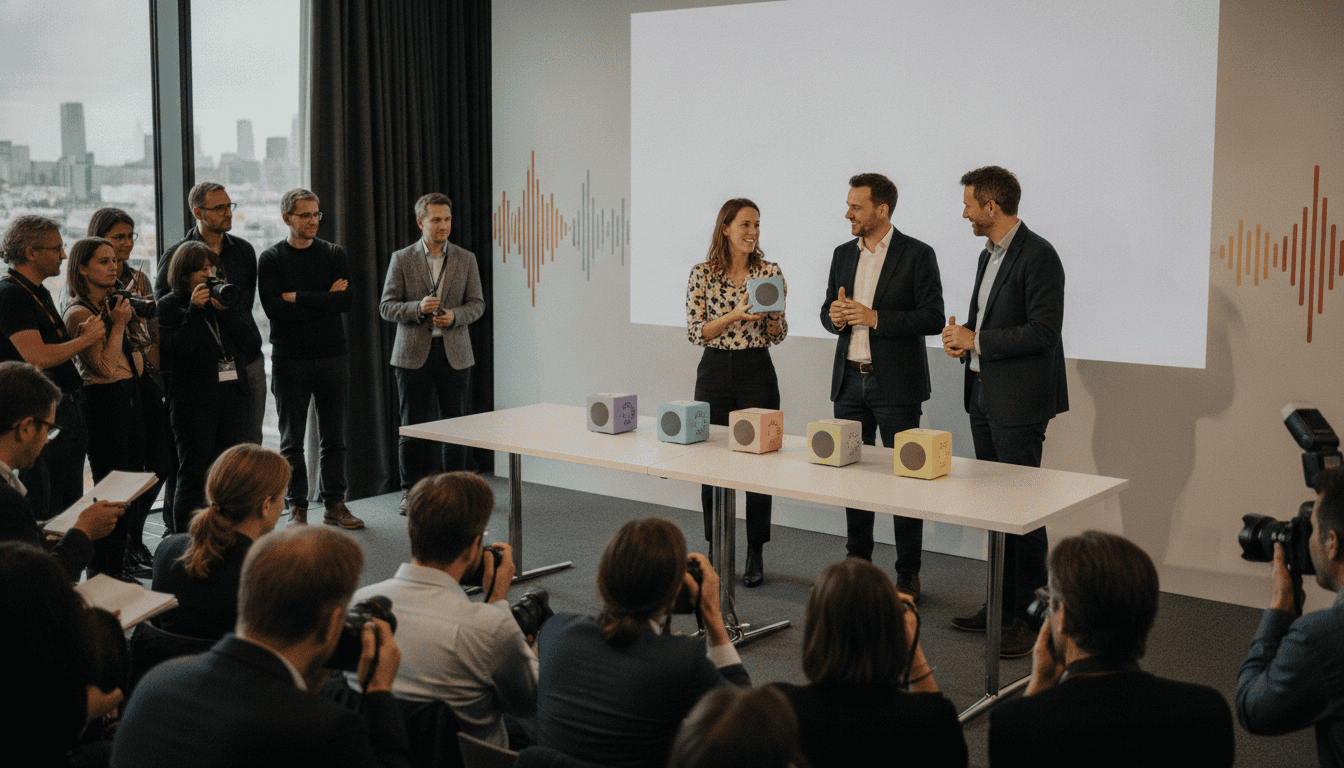
Tonies launches cheaper screen-free audio box as it broadens age range and global push
Tonies unveils a cheaper screen-free audio box as it expands age ranges and international footprint, aiming to convert new customers with €760 million in sales.
Tonies, the Düsseldorf maker of a screen-free audio system for children, is rolling out a lower-priced version of its signature box as part of a wider expansion that includes broader age categories, international growth and a refreshed management team. The move comes as parents from the millennial and Gen Z cohorts wrestle with digital media choices and seek alternatives to screen-based entertainment. The company, which has grown its revenues rapidly, is positioning the new product to attract cost-conscious families in emerging markets while preserving its screenless ethos.
Company rationale for a lower-cost product
Tonies has long differentiated itself by offering hand-painted figurines that trigger curated audio content when placed on a dedicated playbox, avoiding screens altogether. Company executives say the new, cheaper variant is intended to lower the barrier to entry for households that have so far resisted the premium price point. By simplifying hardware and packaging while keeping the content ecosystem intact, Tonies aims to scale user adoption without undermining the brand’s emphasis on safe, age-appropriate listening.
Tonies’ screenless approach appeals to parents concerned about the addictive qualities of visual platforms and social media, and the new box is framed as an uncomplicated alternative for younger children. The company expects this product to be particularly attractive for families who want to limit screen time but still provide on-demand stories and songs.
Product evolution and expanded age ranges
Since its founding, Tonies has steadily broadened the age groups its products target, moving beyond preschool storytelling into content for older children. The release cycle has included new box models and additional play figures that cater to different developmental stages and listening habits. That strategy is meant to extend customer lifetime value by keeping children engaged with the ecosystem as they grow.
Expanding age ranges also gives Tonies more flexibility in licensing and content partnerships, enabling a mix of classic tales, contemporary children’s music and educational material. The company’s catalogue growth supports cross-selling and repeat purchases, which underpin its commercial trajectory.
Financial scale and market position
With revenues approaching €760 million, Tonies has established itself as a mid-sized consumer electronics and children’s media company rather than a boutique maker. The figure signals sustained demand for non-screen entertainment at a time when many parents are reassessing household media rules. While not a market giant, Tonies’ sales underscore the commercial viability of a physical-digital hybrid model centered on curated audio content.
That revenue base gives the company room to invest in international expansion, production efficiencies, and marketing efforts to accelerate adoption in new geographies. At the same time, the firm must balance growth investments with the need to maintain product quality and an image of parental trust.
Board changes and international strategy
Tonies’ growth phase has been accompanied by management restructuring and a reconstituted board, moves typical for firms shifting from start-up to scale-up. New leadership appointments aim to professionalize global operations and to steer the company through the regulatory and cultural challenges of overseas markets. Increased internationalization has required adjustments in content selection, translation and distribution partnerships.
Target markets include regions where smartphone penetration is rising but screen-concerned parenting norms persist, as well as price-sensitive countries where a lower-cost box can accelerate conversion. The corporate reshuffle is intended to support those strategic priorities while preserving the product’s core proposition.
Market dynamics and competitive pressures
The appetite for screenless, audio-first experiences among parents creates a favorable tailwind for Tonies, but the company faces both direct and indirect competition. Rivals can emulate the hardware model, content platforms can repurpose existing audio catalogues, and low-cost tablets with parental controls continue to evolve. Tonies must therefore protect its content partnerships and brand trust while keeping production costs in check to defend margins on the cheaper unit.
Regulatory attention to children’s media and evolving parental expectations will also shape product development. Maintaining clear content curation and transparent safety features will be crucial to differentiating the brand in crowded markets.
Parents and cultural context driving product demand
The surge in demand for Tonies’ product reflects broader generational patterns: many new parents grew up with digital technology and now deliberately seek a counterbalance for their children. They want to prepare kids for a digital future while reducing early exposure to screens and social platforms. Tonies’ tactile figurines and offline listening model align with those parental priorities and have helped the company create what it describes as a new media category.
As media consumption habits continue to evolve, Tonies’ challenge will be to remain relevant across age cohorts without abandoning the simplicity that attracted early adopters. The cheaper box is a test of whether scale can be achieved without diluting the brand’s promise.
Tonies’ combination of curated content, screen-free hardware and expanding global reach positions it as a notable player in the evolving children’s media landscape, and the company’s next steps will reveal how effectively it can translate cultural appeal into broader market penetration.
