
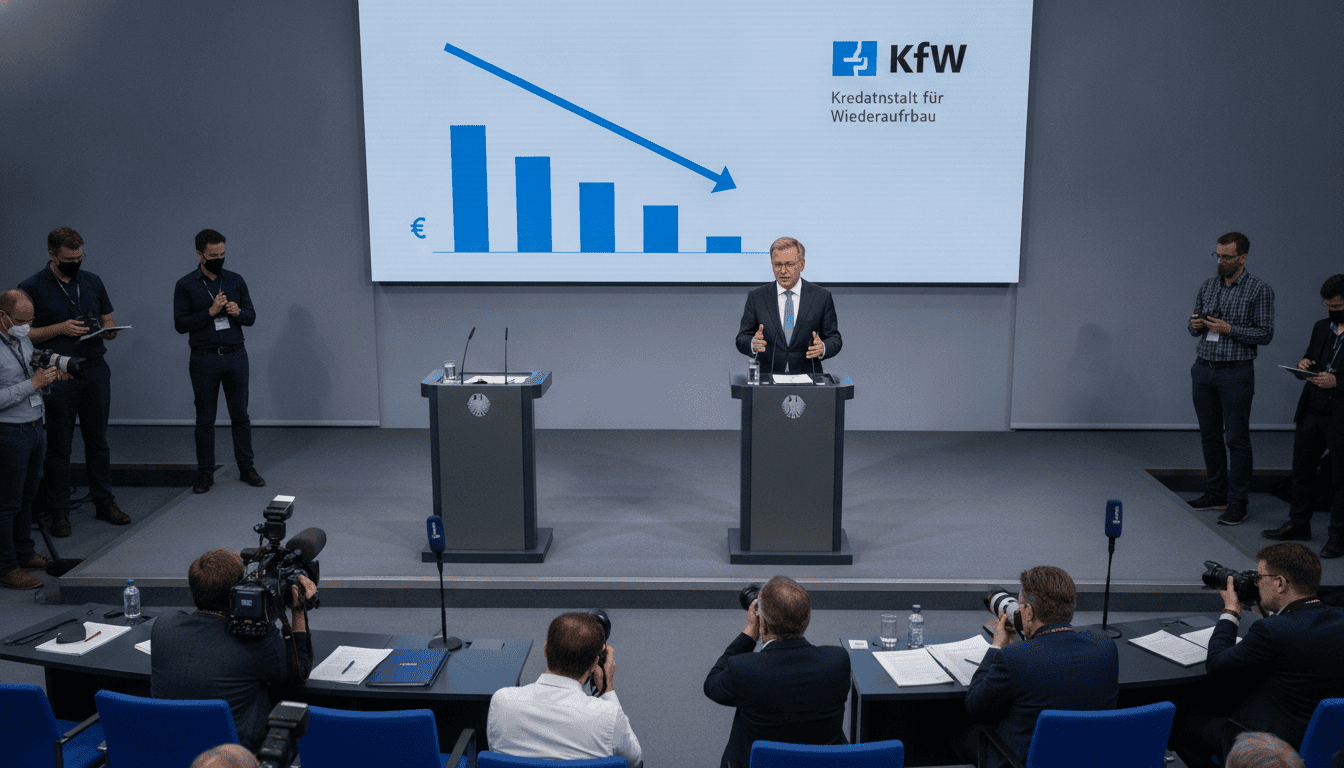
Germany tightens heating subsidy: KfW enacts immediate changes after Bundestag cuts
Germany’s heating subsidy reduced after Bundestag cuts; KfW enacts immediate changes, prioritizing low- and middle-income households and EU-made systems.
The federal government has narrowed its heating subsidy after the Bundestag budget committee approved cuts on July 8, prompting the state development bank KfW to apply technical changes the same day. The revised heating subsidy regime limits overall funding and shifts support toward low- and middle-income households and families, while adjusting eligible cost caps and the pace of reductions. Installers and some homeowners experienced short-term disruption as KfW moved quickly to prevent a last-minute surge in applications. Critics have seized on the absence of an income cap for high earners despite the overall tightening.
Parliamentary decision on July 8 reduces budget envelope
Hours after the Bundestag budget committee approved the measure on July 8, lawmakers confirmed the subsidy envelope will be cut from €12.5 billion to €10 billion for the coming year. The parliamentary change also reduces the maximum eligible cost per installation by €2,000, lowering the cap to €28,000 effective immediately. Lawmakers additionally agreed that subsidies should be phased down faster than previously planned, trimming long-term subsidy exposure.
KfW implements technical adjustments to prevent rush
The KfW announced it would introduce immediate technical measures to align its systems with the new rules, a move intended to prevent a race of applicants seeking to lock in the older, more generous terms. The rapid system changes briefed installers and customers on new application criteria and documentation requirements almost overnight. That hurried rollout produced short-term turbulence, with some projects delayed as companies and households sought clarity on eligibility.
New criteria prioritize lower-income households and families
Under the revised rules, priority access to the heating subsidy is being steered toward households with small and middle incomes and families who face greater barriers to financing a heat-system upgrade. Officials cited equity concerns, noting that lower-income households often lack the upfront capital required for climate-friendly heating investments. The recalibration is intended to maintain social fairness while still supporting the energy transition.
European-made heating systems gain preference
From next year, installations using equipment manufactured in Europe will receive relatively stronger support compared with non-European devices, shifting the procurement incentives for many buyers. The change is designed to bolster domestic and regional supply chains and to encourage sourcing within the EU. Suppliers using components made outside Europe may see their competitiveness reduced by the new subsidy weighting.
Industry reports installation delays and customer uncertainty
Installers and trade associations reported immediate operational strain following the announcement, with some scheduling pauses to confirm whether ongoing contracts still meet the new funding conditions. Homeowners mid-contract faced uncertainty about reimbursement levels and documentation to secure remaining payments. Trade groups called on authorities and KfW to provide prompt, clear guidance to minimize stalled renovations and protect small businesses in the installation sector.
Opposition and advocacy groups criticize lack of income thresholds
Several critics have highlighted a policy gap: unlike reforms to parental benefits or the electric vehicle premium, the heating subsidy changes do not introduce an income ceiling to bar high earners from receiving support. Campaigners argued that more targeted cuts at the top end would have preserved funding for lower-income homes while trimming public expense. Supporters of the current approach counter that means-testing can be administratively complex and may delay urgently needed climate-related retrofits.
The policy shift arrives amid broader debates on how to balance fiscal restraint with decarbonisation goals, and it is likely to shape the market for heat pumps and other low-carbon heating technologies in the coming months. How quickly KfW resolves operational issues and how the market adapts to the new preference for EU-made systems will determine whether the changes achieve the government’s stated aims of fairness and efficiency.
