
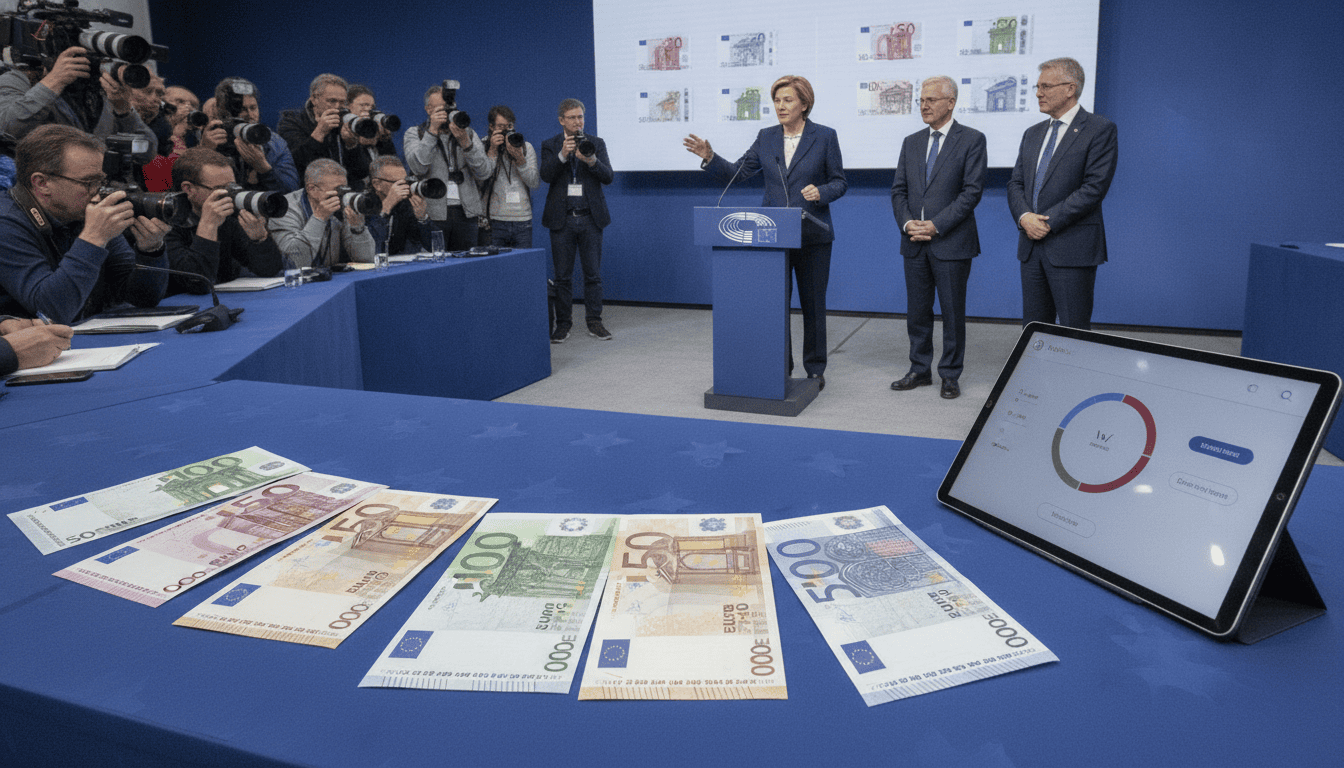
ECB Unveils Designs for New Euro Banknotes and Launches Europe-Wide Vote
ECB unveils two design series for new euro banknotes and opens an online vote; Europeans can view designs for six denominations and vote until September 21, 2026.
The European Central Bank unveiled two proposed series for the new euro banknotes on July 23, 2026, and has invited Europeans to choose the motifs in an online vote running until September 21, 2026. The announcement and the public consultation mark an unusual step for a central bank, tying the technical process of issuing currency to a broader effort at public engagement. The new euro banknotes designs cover the 5, 10, 20, 50, 100 and 200 euro denominations and are presented for comparison in the ECB’s online platform.
ECB releases designs and frames vote as democratic engagement
The ECB said the initiative aims to involve citizens in the visual identity of the currency, linking monetary instruments to a sense of shared European belonging. By opening the designs to public scrutiny, the bank has signaled that the appearance of money is not solely a technical matter but part of a democratic conversation. The presentation on July 23 emphasized both aesthetic choices and practical considerations that the ECB must weigh before finalizing the new notes.
Two different motif series offered for comparison
Voters are asked to compare two distinct motif series across all six denominations, with each series proposing coherent visual themes that run from the smallest to the largest notes. The proposals vary in imagery, composition and symbolic emphasis, giving observers contrasting ideas of how Europe could be represented on day-to-day currency. The ECB has organized the display so that participants can click through side-by-side renderings to assess how each motif would appear in real use.
How the online voting process and timeline work
The consultation opened immediately after the designs were published and will remain accessible until September 21, 2026, allowing participants several weeks to review the options. The online platform presents each denomination’s two alternatives and invites users to indicate preferences for individual notes or for a complete series. The ECB has described the vote as part of a wider feedback process that will inform but not necessarily determine the final selections and technical specifications.
Public responses and divergent expectations across Europe
Reaction to the ECB’s call for votes has been mixed, reflecting varied tastes and differing ideas about national and European identity. Some commentators and citizens have welcomed the chance to shape the look of their money, framing the vote as a rare democratic moment tied to a symbol used daily. Others have questioned whether an online consultation can capture the full range of cultural and regional preferences across the continent or whether aesthetic choices will be overshadowed by technical and security priorities.
Design considerations beyond imagery: security and usability
Beyond motif selection, the redesign process must also address security features, tactile elements for accessibility, and the practicalities of production and circulation. Central banks typically balance visual symbolism with anti-counterfeiting technologies and durability requirements, and the ECB will need to reconcile those demands with the public’s aesthetic preferences. Officials have stressed that any chosen design must meet high technical standards while also resonating with a diverse European public.
Potential political and cultural implications of the new notes
The decision over motifs has unsettled debates about representation and whose history or values should be visible on common currency. Currency design can carry political weight, signaling priorities about heritage, modernity, and inclusion, and the ECB’s consultation has already prompted discussion in media and civic circles. How the bank interprets the public input could shape perceptions of the euro as not just a financial instrument but also a cultural symbol for years to come.
The ECB’s experiment with public voting on the new euro banknotes represents an uncommon blending of central banking and civic outreach, offering Europeans a direct—if partial—role in shaping a shared national symbol of the monetary union. Whether the consultation will produce a clear consensus or further highlight divisions remains to be seen, but the process has already refocused attention on the everyday object that underpins commerce across the euro area.
