
U.S. tariffs on imports from 60 countries imposed over forced labor concerns
U.S. tariffs on imports target 60 trading partners with 10–12.5% levies for alleged failures to curb forced labor. USTR rules include product exemptions.
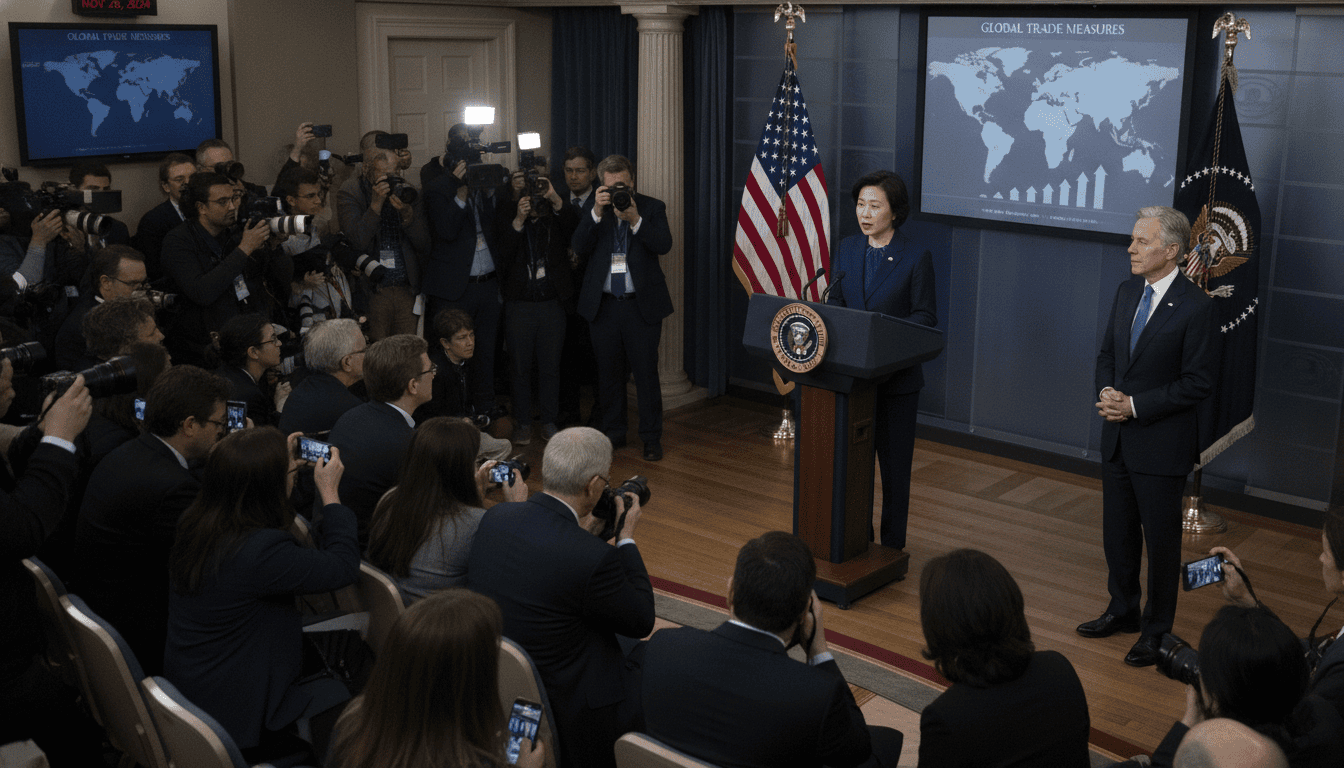
The United States announced new U.S. tariffs on imports from 60 trading partners on Thursday, imposing additional duties of 10% to 12.5% aimed at nations the U.S. says have failed to effectively prohibit goods made with forced labor. The move follows a months-long Section 301 investigation by the Office of the U.S. Trade Representative (USTR) and replaces a temporary broad 10% tariff that was set to lapse. (ustr.gov)
USTR determination cites failures to enforce forced-labor bans
USTR’s public materials say the investigation found acts, policies and practices across 60 economies that fall short of imposing or enforcing prohibitions on the importation of goods produced with forced labor. The agency framed the action as an enforcement measure intended to spur trading partners to adopt and implement stricter import bans. (ustr.gov)
Tariff rates, legal authority and the transition from temporary levies
The additional duties will generally be set at either 10% or 12.5%, depending on whether a trading partner has enacted or pledged effective prohibitions, USTR said. The measures are being taken under Section 301 of the Trade Act of 1974, a legal route U.S. officials view as less vulnerable to the legal challenges that felled last year’s emergency-based global tariff plan. The change is timed to prevent a coverage gap as the temporary 10% tariff program neared expiration. (investing.com)
Major trading partners included, and European Union criticism
The list of 60 economies covers a broad swath of U.S. trading partners, including large economies in Europe and Asia, and has drawn swift criticism from some allies. European officials said they expected the United States to respect prior understandings and warned that stealthy tariff moves risked undermining cooperative trade rules. The EU and other partners have signaled they will press for explanations and may seek to contest measures they view as inconsistent with agreed frameworks. (theguardian.com)
Exemptions for sensitive goods and sector-specific carve-outs
USTR said certain products will be exempted from the additional duties if levies would cause domestic shortages, economy-wide disruptions, or fail to advance the stated objective of eliminating forced-labor goods. Exempt categories include some raw materials, energy supplies and items already covered by existing sector-specific tariffs, the agency said, and the administration indicated goods qualifying for duty-free status under North American agreements would also be spared. These carve-outs are framed as narrowly targeted to limit disruption while maintaining pressure on foreign enforcement. (ustr.gov)
Economic fallout and potential legal challenges
Trade lawyers and industry groups warned that the new duties could ripple through global supply chains and raise costs for U.S. manufacturers and consumers who rely on imported intermediate goods. Analysts say companies sourcing inputs from affected countries may face higher tariffs or be pushed to seek alternative suppliers, a process that could take months or years for complex products. Observers also expect legal challenges to the tariffs, with opponents likely to test the administration’s Section 301 rationale in U.S. courts and before international dispute mechanisms. (washingtonpost.com)
Officials said the tariffs are intended to combine enforcement with incentives for countries to adopt effective forced-labor import prohibitions, and USTR noted a process for comment and adjustments as the measures are implemented. The measures mark a new phase in U.S. trade policy that prioritizes labor standards enforcement as a stated justification for broader tariff action, even as governments and businesses weigh the economic and diplomatic consequences.
