
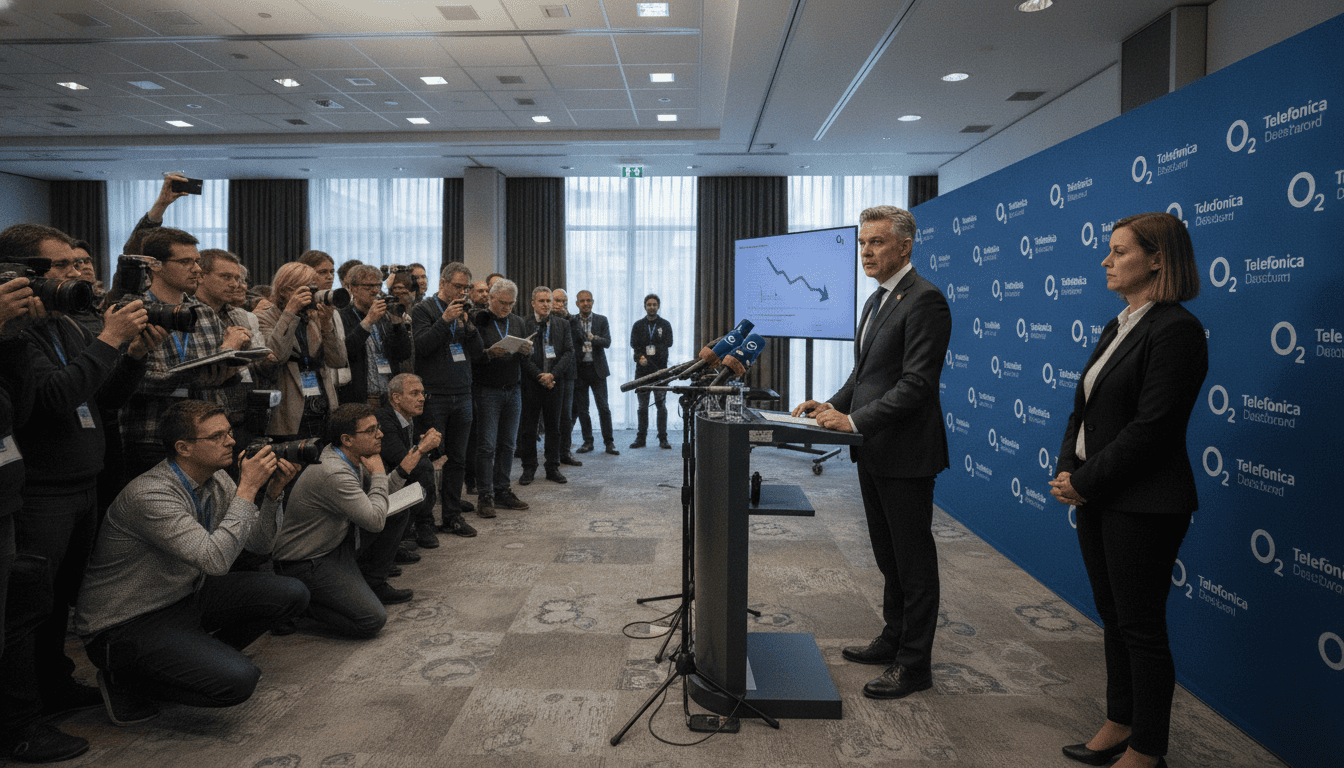
Telefónica Deutschland job cuts: O2 plans 1,100 layoffs and 60 store closures
Telefónica Deutschland to cut 1,100 full-time roles at O2 and close 60 owned shops by year-end; restructuring costs €265m with further savings targeted through 2028.
Telefónica Deutschland job cuts announced on Wednesday will eliminate 1,100 full-time positions at O2 by the end of the year, roughly one in six of the German workforce, the company said. The plan also includes the closure of about 60 O2-owned retail outlets and a package of severance and voluntary exit offers for affected staff. Company leaders framed the move as a strategic reshaping to simplify operations and increase the use of artificial intelligence in central processes.
Details of the job cuts and retail closures
The planned reductions affect O2’s directly employed workforce; franchise-operated stores are not part of the retail closures. Management made clear the majority of cuts will be voluntary where possible, supported by compensation and transition measures intended to reduce forced redundancies. The announced shop closures will reduce the company’s estate from around 800 owned locations to roughly 740 by year-end.
Restructuring costs and provisions
Telefónica Deutschland said the first phase of the restructuring will cost approximately €265 million and that it has set aside provisions to cover those expenses. The company did not provide a full breakdown of the charges but indicated costs include severance, lease terminations and one-off operational adjustments. Financial provisions for a second phase of cuts next year are expected to add up to €155 million if implemented.
Planned follow-up cuts and savings targets
The group signalled that the reductions will continue beyond this year, with further organisational streamlining planned through 2028. Management says the second phase will focus in part on staff in call centres and other customer-service roles where automation and centralisation can be expanded. Once both phases are completed, Telefónica Deutschland expects to reduce recurring annual costs by around €185 million from 2028 onwards.
Union reaction and supervisory-board criticism
Labour representatives and a supervisory-board member from the Ver.di union expressed concern about the timing and rationale of the cuts. Union officials warned the measures resemble a parent-company‑driven cost program rather than a targeted plan to grow the German business. Officials have criticised what they describe as an absence of a clear strategy showing how the reductions will secure long-term growth in Germany.
Market context: customer loss and competitive position
Company officials and industry observers point to recent commercial setbacks that weakened revenues and prompted the restructuring. In 2024 O2 lost its largest wholesale customer, which had rented access to the O2 network for years, reducing a steady income stream. That loss, combined with pressure on margins, has intensified scrutiny of operating costs and accelerated the decision to shrink parts of the workforce.
Network coverage figures remain a key part of Telefónica Deutschland’s public narrative as it pursues the transformation. Regulatory data cited by the company show the O2 network reaches a high share of Germany’s territory on 4G and a growing footprint on 5G, narrowing the gap with larger rivals. Still, market share and wholesale contract dynamics have left the operator with limited revenue headroom compared with competitors that command broader fixed-line or wholesale business.
Leadership change and strategic rationale
Leadership turnover at the top preceded the announcement, with the previous chief executive departing and Santiago Argelich Hesse assuming responsibility earlier in the year. Company statements attribute the restructuring to the new management’s plan to simplify the organisation, consolidate functions and increase the deployment of artificial intelligence in central processes. Executives say the measures are intended to preserve competitiveness in a market that requires heavy investment in spectrum, network densification and digital services.
The company emphasised that the cuts are designed to be “demand-driven,” aligning headcount and retail footprint with evolving customer behaviour and cost structures. It plans to offer affected employees support measures aimed at re-employment, training and voluntary departures to soften the impact of the restructuring.
The coming months will show how quickly savings materialise and whether the market accepts the operational changes as a pathway to longer-term stability. Telecommunication rivals and labour organisations will likely monitor implementation closely, while customers watch for any service or support disruptions as staff reductions proceed.
