
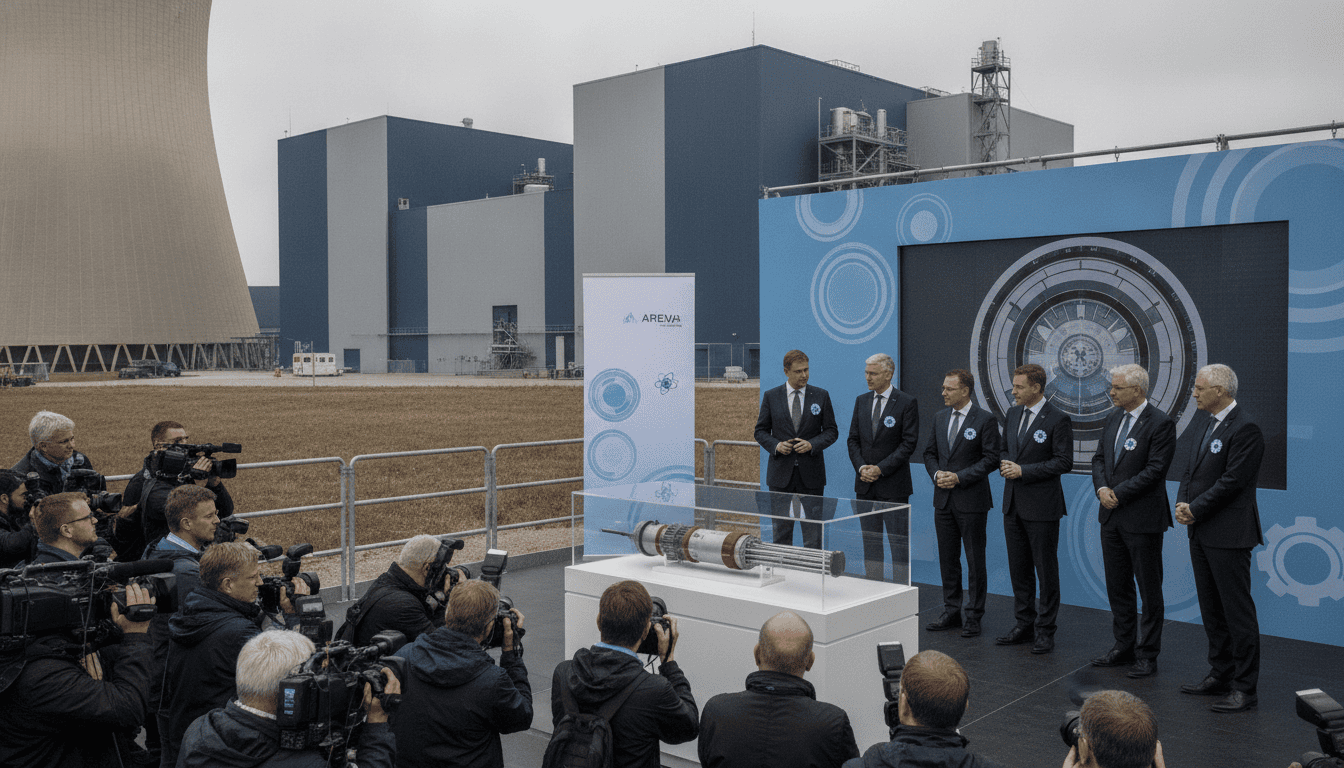
Lingen nuclear fuel production approved despite concerns over indirect Rosatom ties
Approval permits Russian-designed fuel elements to be produced at Lingen; Greens leader Haßelmann condemns indirect Rosatom involvement amid political debate.
The federal approval allowing Lingen nuclear fuel production for fuel elements of Russian design has prompted an immediate political backlash, with Greens parliamentary leader Haßelmann calling the arrangement “irresponsible.” The decision permits a German manufacturing site to assemble fuel elements based on a Russian technical design while a Russian state nuclear corporation is reported to be indirectly involved. Officials say permits meet legal requirements, but critics warn of security and dependency risks.
Approval Allows Russian‑Designed Fuel Elements to Be Produced in Lingen
The regulatory decision authorizes a factory in Lingen to manufacture fuel elements using a Russian design, a move officials describe as the outcome of standard licensing procedures. Regulators assessed technical documentation and safety analyses before granting permission, according to statements from authorities involved in the review.
Local industry sources said the approval covers production processes and quality assurance routines required for fuel assemblies destined for civilian reactors compatible with that design. The authorization does not, they add, change reactor operating licences or allow fabrication of reactor cores beyond the specified components.
Indirect Rosatom Involvement Prompts Political Criticism
Greens parliamentary leader Haßelmann publicly denounced the arrangement, describing the involvement of the Russian state nuclear company Rosatom — even if indirect — as irresponsible given current geopolitical tensions. Her statement framed the issue as one of national security and ethical concern regarding reliance on entities linked to the Russian state.
Opposition voices and some civil society groups have amplified those criticisms, calling for parliamentary scrutiny and a transparent account of contractual and ownership structures. They argue that indirect stakes and subcontracting chains should be disclosed more comprehensively to elected representatives and oversight bodies.
Regulatory Oversight and Safety Checks
Officials stress that Lingen nuclear fuel production remains subject to strict regulatory oversight, including technical inspections, material controls and quality assurance audits. Nuclear regulators are responsible for verifying that components meet engineering specifications and international safety standards before they can be used in reactors.
Export controls, non-proliferation obligations and industrial safety rules also apply to the manufacture and transfer of nuclear fuel components. Authorities say those frameworks were factored into the approval process and that ongoing monitoring will continue to assess compliance with safety and legal requirements.
Industry and Economic Considerations for the Lingen Site
Supporters of the approval point to economic benefits for the Lingen site, including job retention, supply‑chain contracts and continued specialization in fuel fabrication. For manufacturers, the ability to produce a wider range of designs maintains competitiveness in an international market for reactor fuel components.
Proponents also note that partner facilities and technical staff at Lingen possess longstanding expertise in metallurgical processes and precision assembly, which are essential for meeting the tolerances required by fuel element specifications. Company representatives emphasize that product certification and customer oversight remain central to commercial operations.
International and Security Implications
Analysts say the decision highlights the complex interplay between commercial nuclear supply chains and geopolitical risk. Manufacturing components of Russian design on German soil — particularly where a Russian firm is indirectly involved — raises questions about supply dependency and the resilience of the fuel market in times of political strain.
Some security experts urge a differentiated approach: while commercial ties can be managed through contracts, compliance measures and diversification, they recommend heightened transparency and contingency planning. They also argue for clear protocols to prevent service disruptions should political tensions affect cross‑border cooperation.
Possible Legal Challenges and Next Administrative Steps
Legal experts say the approval could be subject to administrative review or legal challenge if stakeholders demonstrate procedural flaws or insufficient disclosure in the licensing process. Parliamentary committees may seek documents and briefings to clarify the scope and safeguards of the agreement.
Regulators and the company operating the Lingen facility are expected to publish further technical details and compliance reports as production proceeds. Observers say that close public reporting and independent audits would help address political concerns and reassure customers and the public about safety and governance.
The Lingen nuclear fuel production approval has underscored divisions between economic and security priorities that often accompany decisions in the nuclear sector. As production plans advance, policymakers, regulators and industry players will face pressure to balance commercial interests with transparency and risk mitigation, while the political debate over indirect Rosatom involvement continues to shape public scrutiny.
