
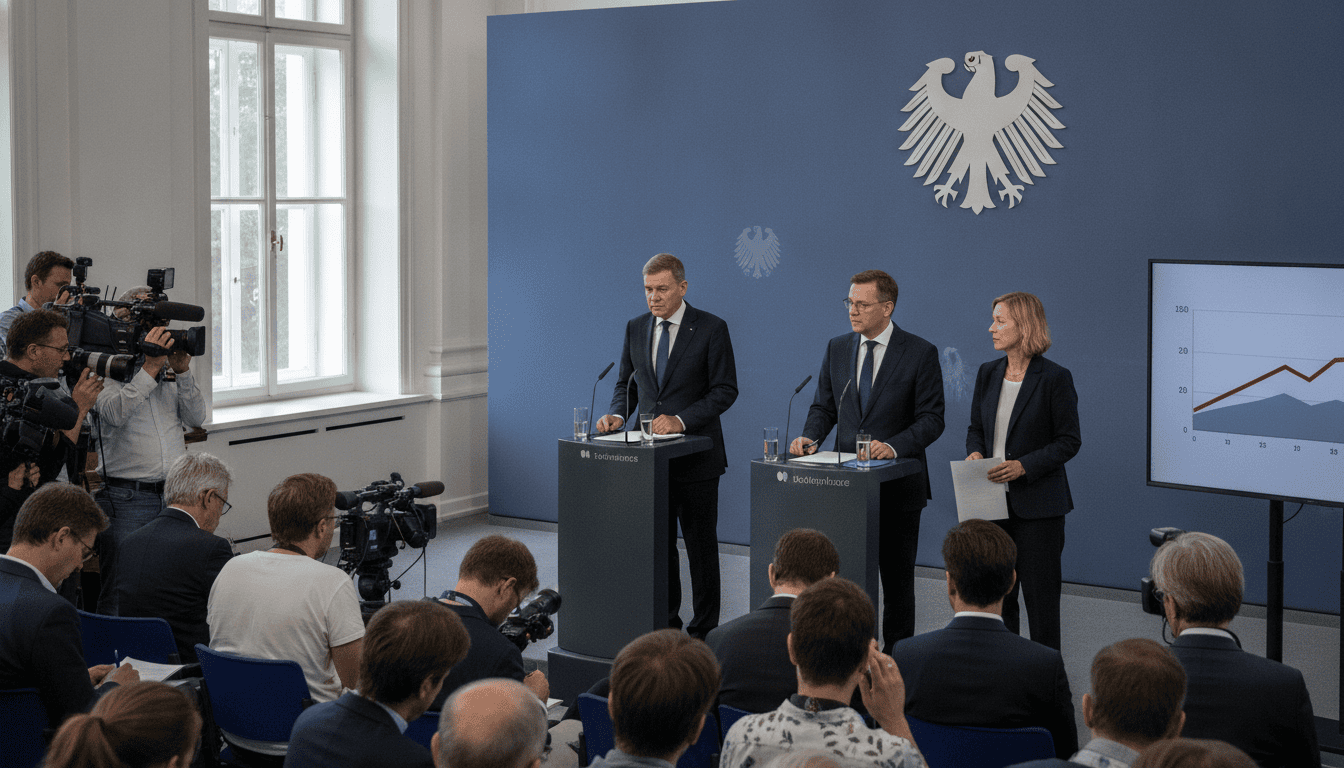
Germany Proposes Cuts to Wohngeld as 1.2 Million Households Receive Aid
Proposed federal cuts would reduce Wohngeld funding by €750m next year and by €1bn from 2028, threatening benefits for a third of recipients and sparking debate.
Wohngeld now covers 1.2 million German households, but budget plans from the federal finance ministry would shrink that support and trigger political and social contention. The reform that expanded eligibility in 2023 helped double the beneficiary roll, yet ministers are now planning savings that officials say are necessary to balance the budget. Advocates warn that many low-income renters and homeowners could lose critical housing subsidies if the proposals are enacted.
Scale of recent Wohngeld expansion
The expanded Wohngeld scheme that took effect on 1 January 2023 widened eligibility and sharply increased beneficiaries. By the end of 2024, about 1.2 million households received Wohngeld, up from roughly 600,000 before the reform, with an average payment close to €287 per month. Families make up a significant share of recipients and nearly half of beneficiary households include children, while retirees account for the largest single group.
Regional variation in payments
Average Wohngeld payments vary considerably across Germany due to differences in rents and local costs. The federal housing ministry’s data show average payments peaking in independent Hessian cities at about €368, while some rural districts in Mecklenburg‑Vorpommern report averages near €209. Local Wohngeld authorities — municipal offices — determine eligibility and issue awards, and beneficiaries are encouraged to use the ministry’s online calculator to check entitlement.
Planned federal budget reductions
The finance minister has instructed cabinet colleagues to identify savings, and Wohngeld was singled out as a source of reductions. The current federal budget planning foresees approximately €750 million less for Wohngeld in the next budget year and aims for roughly €1 billion in annual savings from 2028 onward. The housing minister described the measures as “bitter, but not otherwise manageable,” and officials estimate that about one third of households who previously received Wohngeld could lose eligibility under the proposed cuts.
Political reaction and legislative uncertainty
The savings plan has provoked resistance within the governing party and across the Bundestag, and the budget proposals have not yet been finalized by parliament. Some MPs from the ruling coalition oppose the scale of the cuts, arguing that they would shift burdens onto other social programs and vulnerable households. Any change would also interact with the rule that Wohngeld decisions are time limited; awards already granted generally remain valid until their set expiration.
Expert assessments on effectiveness and incentives
Economists give mixed appraisals of Wohngeld’s performance. Many praise it as a direct, targeted subsidy that reaches households with housing cost stress without lengthy bureaucratic steps. At the same time, researchers warn of potential work‑disincentive effects: an increase in earned income can lead to the rapid loss of benefit entitlement, creating a so‑called cliff that may reduce incentives to take extra hours or higher pay.
Overlap with Grundsicherung and fiscal consequences
Wohngeld and the statutory basic income support for those with insufficient means overlap in coverage of housing costs, and the interaction can be complex. Grundsicherung can cover the full, appropriate housing cost for households without other income, and in some cases provides higher housing assistance than Wohngeld. Critics, including tenant associations, argue that cutting Wohngeld may merely shift costs from the housing ministry’s budget to the labour and social welfare budgets if households move from Wohngeld into Grundsicherung.
Calls for simplification of social support rules
A government social‑state commission has recommended merging Wohngeld, the child allowance supplement for low incomes, and aspects of Grundsicherung into a single, simplified social benefits framework. The proposal would create uniform rules and consolidate administration to reduce confusion among applicants and improve efficiency. Experts and policymakers are now working through technical details, with cross‑level working groups tasked with producing proposals by a set deadline later this year.
The debate over Wohngeld cuts underscores competing priorities in fiscal policy and social protection: balancing federal budgets while maintaining targeted support for renters and low‑income homeowners. As the Bundestag considers the forthcoming budget, ministers, experts and social organisations will continue to press rival views on how to sustain affordable housing assistance without deepening inequalities.
