
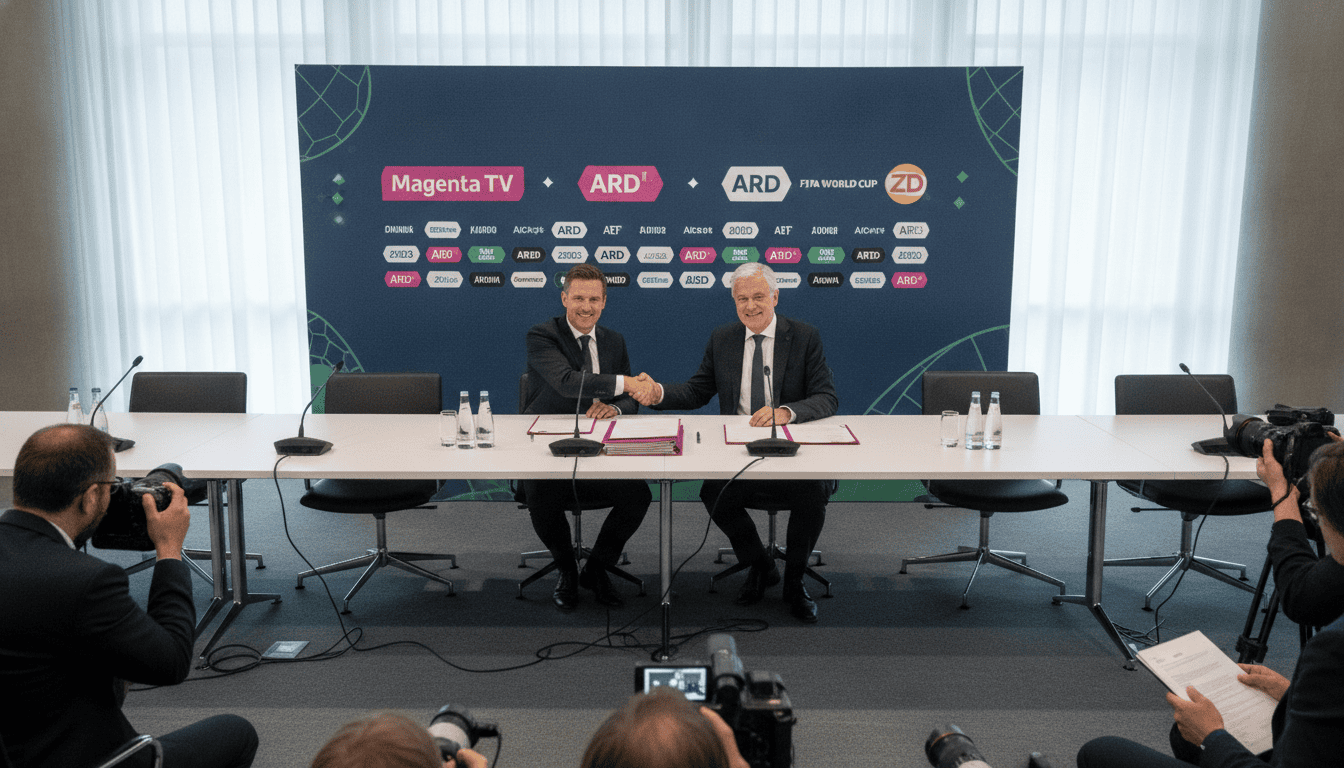
Magenta TV World Cup rights: Telekom secures all 104 matches, 44 exclusive broadcasts
Deutsche Telekom’s Magenta TV World Cup rights cover every one of the tournament’s 104 matches, with 44 games reserved for exclusive streaming and the remainder sublicensed to public broadcasters ARD and ZDF.
Telekom Announces Full Tournament Deal
Deutsche Telekom confirmed that its Magenta TV service acquired the rights to all 104 World Cup matches, a deal the company framed as comprehensive coverage for subscribers. Telekom CEO Timotheus Höttges highlighted the package as a strategic investment in live sports streaming and audience reach.
The agreement splits the matches between exclusive streams and sublicenses, allowing Magenta TV to retain premium content while ensuring broader access through public television partners. The arrangement reflects a hybrid model that mixes paywalled streaming with free-to-air transmissions for the general public.
44 Matches Designated for Exclusive Streaming
Magenta TV will stream 44 of the matches exclusively, positioning those games as marquee events for subscribers and potentially driving new sign-ups. Telekom has not publicly detailed which fixtures are included in the exclusives, but the number signals a significant portion of high-value programming.
Exclusive streaming rights typically allow a platform to control advertising, user experience, and bundled offers, which Telekom can leverage across its consumer services. For viewers, exclusivity often means subscription access, dedicated commentary options, and integrated digital features unavailable on other platforms.
Sublicensing Arrangement with ARD and ZDF
Telekom sublicensed the remaining 60 matches to Germany’s public broadcasters ARD and ZDF, ensuring that a substantial share of the tournament will be available via traditional free-to-air channels. This sublicense preserves public access to the World Cup while allowing Telekom to monetize the broader rights package.
ARD and ZDF have longstanding roles in national football broadcasting, and the sublicense continues that tradition by bringing a large portion of matches to their audiences. The partnership balances commercial objectives with public-service broadcasting responsibilities during a major international sporting event.
Implications for Viewers and Subscriptions
For viewers, the split rights model creates a choice between subscribing to Magenta TV for full, exclusive coverage or relying on ARD and ZDF for many matches at no direct extra cost. Consumers will need to weigh the benefits of exclusive matchups, on-demand highlights, and digital features against the expense of subscription access.
Telekom may package exclusive matches with broadband or mobile bundles to increase uptake, a common strategy among telecom companies that hold premium sports rights. How Telekom prices and markets those bundles will determine how many viewers opt for the paid tier versus free-to-air alternatives.
Commercial Strategy Behind the Rights Purchase
Acquiring all tournament matches gives Telekom control over distribution and the flexibility to monetize content across platforms and partners. By retaining exclusives and sublicensing others, Telekom can optimize revenue while maintaining broad visibility through public broadcasters.
The deal also strengthens Magenta TV’s position in a competitive German streaming market, where live sports are a major driver of customer acquisition and retention. For Telekom, the World Cup rights represent both a content play and a brand-building opportunity in a landscape increasingly shaped by streaming rights battles.
Public Broadcasters’ Role and Industry Response
ARD and ZDF’s acceptance of sublicensed matches keeps major parts of the tournament accessible to traditional television audiences and fulfills public expectations for free-to-air coverage. Both broadcasters are experienced in coordinating large-scale sports transmissions and will likely complement live games with studio shows and analysis.
Industry observers are watching how sublicensing arrangements like this one will influence future negotiations for major sporting events. The mix of exclusive streaming and public broadcast may become a template for balancing commercial returns and public access in upcoming rights deals.
The arrangement between Deutsche Telekom’s Magenta TV and the German public broadcasters creates a dual-path viewing model for the World Cup, combining subscription-led exclusives with widespread free-to-air transmissions to reach diverse audiences across the country.
