
Iran Says It May Abandon Islamabad Understanding if U.S. Violations Continue
Iran warns it may abandon the Islamabad Understanding if Washington persists in alleged breaches of the agreement that was brokered with Pakistani mediation to end the war, state television reported.
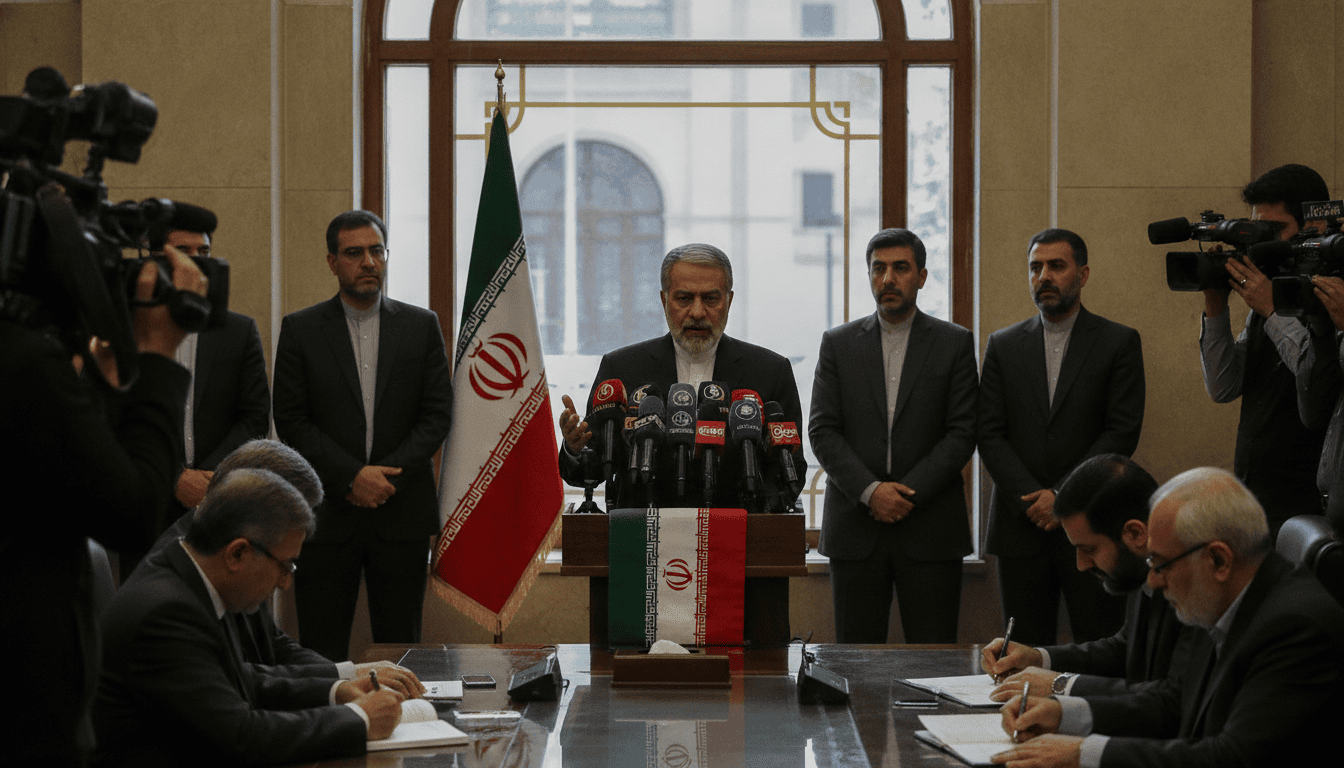
Iran has warned it will no longer consider itself bound by the Islamabad Understanding if the United States continues to violate its obligations under the pact, Tehran’s UN ambassador said in a statement carried by state broadcaster IRIB. The understanding, reached with Pakistani mediation and intended to halt hostilities, is now under strain after Tehran accused Washington of failing to uphold key commitments. The announcement marks a significant escalation in diplomatic rhetoric and raises questions about the stability of the ceasefire framework.
Iran’s UN Ambassador Issues Warning
The statement delivered by Tehran’s permanent representative to the United Nations asserted that continued U.S. non-compliance would relieve Iran of its obligations under the Islamabad Understanding. State television IRIB published the ambassador’s remarks without detailing the specific measures Iran would take if it withdrew from the agreement. The language used — declaring that Iran would “no longer consider itself bound” — signals a formal and potentially irreversible diplomatic step if tensions are not defused.
Terms and Purpose of the Islamabad Understanding
The Islamabad Understanding was negotiated with Pakistani facilitation and intended to create conditions for ending the war by establishing reciprocal obligations between the parties. While the full text of the agreement has not been widely published, officials described it as a mechanism to secure temporary cessation of hostilities and create space for further diplomacy. The pact’s fragility was apparent from the outset given the complex operational and political steps required to translate diplomatic commitments into actions on the ground.
Accusations of U.S. Non-Compliance
Iran’s public accusation centers on what it describes as violations by the United States of the commitments enshrined in the Islamabad Understanding. The Iranian statement did not enumerate specific incidents or clauses it believes were breached, but it framed the alleged violations as substantial enough to undermine the deal’s purpose. Without a clear, mutually agreed accounting of compliance, each side’s differing interpretations risk fueling reciprocal measures and further undermining trust.
Pakistan’s Mediation Role Under Scrutiny
Pakistan, which mediated the agreement, now faces scrutiny as the guarantor of a fragile truce between the parties. Islamabad’s diplomats had played a central role in bringing negotiators together and helping craft language acceptable to both sides. As the arrangement’s viability comes into question, Pakistan may be asked to re-engage as a mediator, press for clarifications, or convene follow-up talks to resolve the dispute over compliance.
Regional and International Implications
The potential collapse of the Islamabad Understanding carries broader implications for regional stability and international diplomatic efforts to contain the conflict. A formal Iranian withdrawal from its commitments could lead to resumed hostilities or a hardening of positions that complicates humanitarian access and de-escalation efforts. International actors, including the United Nations and neighboring states, are likely to monitor developments closely and could be pressed to help broker remedial steps to prevent a wider escalation.
Possible Diplomatic Responses and Legal Questions
If Iran formally declares it is no longer bound by the understanding, options for diplomatic response may include renewed mediation, third-party monitoring, or referral to international forums for dispute resolution. Legal and political questions will emerge about the consequences of unilateral withdrawal and whether the agreement included enforcement mechanisms or dispute-settlement procedures. Either side could also seek to rally international support to shore up diplomatic leverage or to justify a change in posture.
The latest public warning from Tehran underscores how precarious fragile ceasefire agreements can be when mutual compliance is disputed. With Pakistani mediation credited for brokering the original understanding, renewed diplomacy will be essential if the parties hope to salvage the framework and prevent a return to open conflict.
