
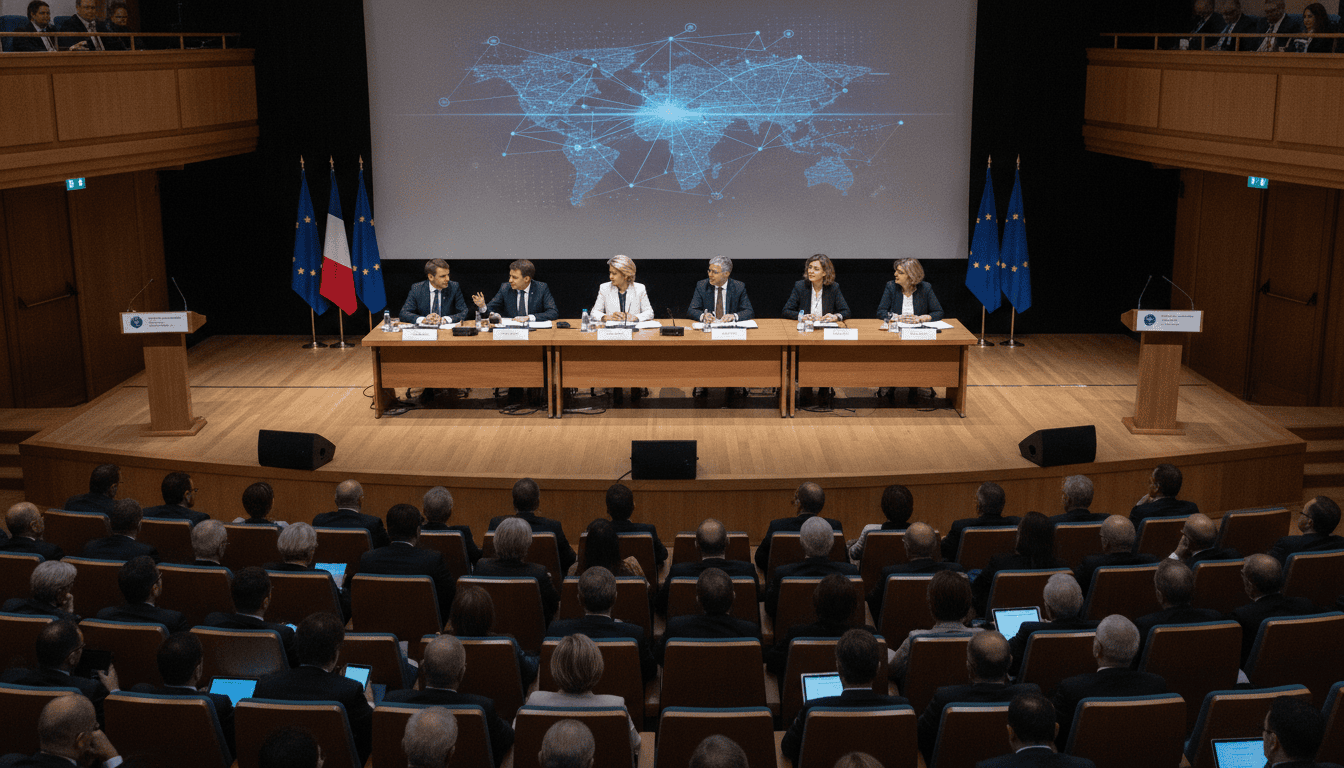
Aix-en-Provence Economic Conference Becomes Battleground for France’s Presidential Race
At the Aix-en-Provence economic conference, long seen as the meeting place for France’s economic and political elite, discussions this year were dominated by the looming presidential campaign. The Aix-en-Provence economic conference drew ministers, former premiers and a broad roster of potential candidates nearly ten months before the vote, turning policy panels into campaign stages. Business leaders and policymakers used the forum to test messages and gauge alliances that could shape Paris’s next government.
Presidential figures and candidates converge on Aix
Senior government figures including the prime minister and finance minister attended alongside a range of declared and prospective candidates, creating a concentrated display of political ambition. Several former officeholders and movement leaders also appeared, seeking visibility and the endorsements that large, elite gatherings can confer. The presence of high-profile centrists and left-leaning rivals underscored that the event had become an informal starting line for the national contest.
Aix serves as the elite’s seasonal policy conclave
Organizers and participants described the meeting as both a network hub and a moment for policy stock-taking before the long summer break. Executives, lobbyists, economists and journalists used panels and side meetings to trade ideas and rehearse positions that may inform campaign platforms. For many attendees, the conference functions like a pre-campaign laboratory where messaging is refined and alliances are quietly tested.
Organizers explicitly excluded the political extremes
The host organization opted not to invite figures from the outer political wings, a decision that drew notice given recent polling trends. That choice reflected a deliberate attempt by the forum’s architects—prominent economists and long-standing institutional voices—to keep the conversation centered on mainstream policy debates. The exclusion reignited debate over whether major intellectual gatherings should tolerate or rebuff parties they consider outside conventional consensus.
Business leaders engage with the Rassemblement National despite exclusion
Separately, a pattern of engagement has emerged between corporate leaders and representatives of the Rassemblement National, illustrating a pragmatic streak among France’s economic elite. High-profile dinners and private meetings signaled that some executives are seeking to understand the party’s economic stance, even as public forums keep distances. These encounters have prompted unease for some managers, who weigh the reputational and policy implications of closer ties.
Edouard Philippe presents a centrist, stability-focused pitch
Among the figures who attracted intense attention was the leading centrist contender, who used Aix to burnish credentials as a steady, managerial alternative. He emphasized supply-side reforms, fiscal discipline and measures intended to restore the state’s capacity to act, framing those goals as essential to sustainable growth. By projecting competence on budgets and pensions without constant reference to rivals, he sought to occupy a middle ground that appeals to both markets and moderate voters.
Christine Lagarde’s remarks add an unpredictable element
The conference also featured comments from figures whose actions could reshape the field, as one senior European official signaled she might enter the political fray or at least amplify a European perspective in the debate. Her appearance and remarks provoked discussion about whether a candidate emerging from European institutions would change the tenor of national campaigning. The suggestion that senior technocrats might step into electoral politics introduced an additional variable for strategists watching Aix.
The Aix-en-Provence economic conference made clear that France’s political realignment is not only happening within party corridors but also across salons, boardrooms and academic panels, where policy priorities are being contested and reputations forged. As organizers steer debates toward the center, business leaders and candidates will continue testing positions in private and public, making the coming months critical for the narratives that will define the presidential campaign.
