
Coalition Unveils Reform Package to Steer Germany Out of Crisis
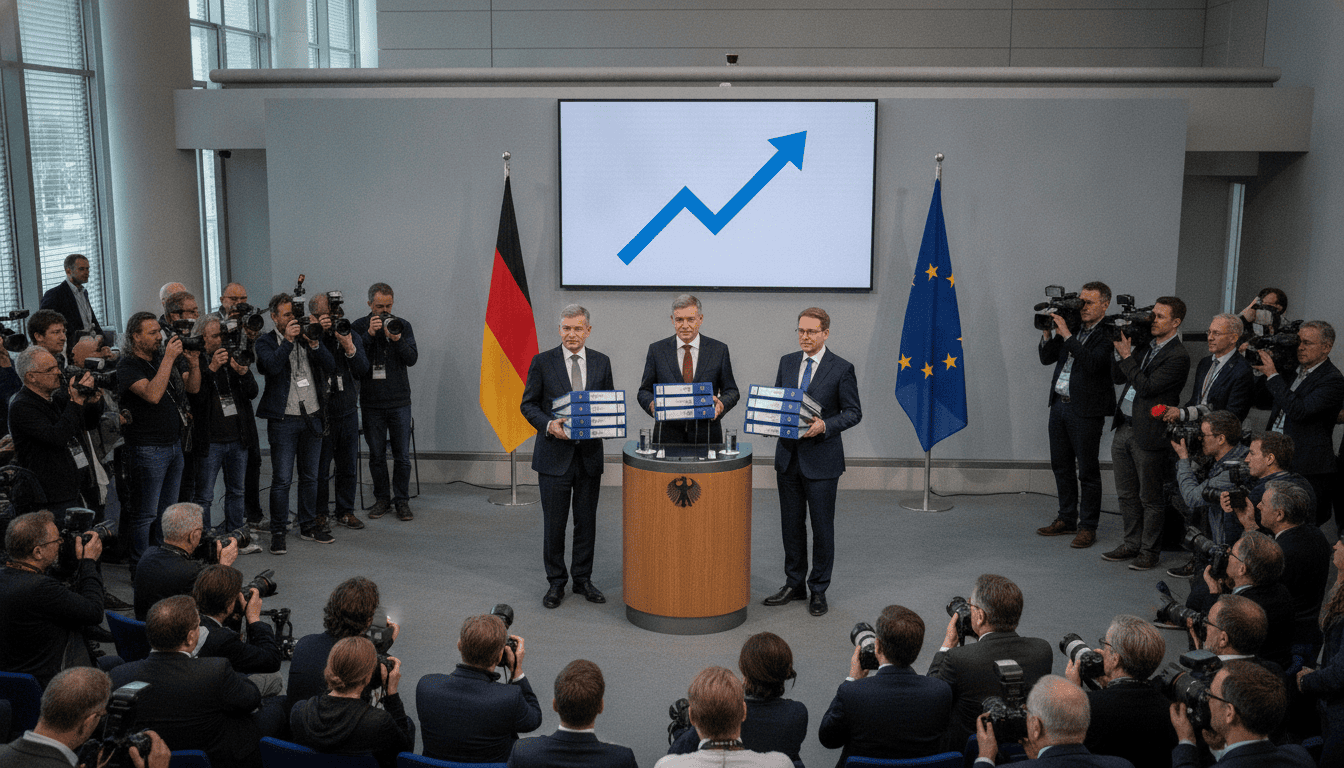
Germany’s governing coalition presented a comprehensive reform package on July 2, 2026, aimed at stabilizing the economy and cutting bureaucracy, officials said. The reform package was announced in the garden of the Chancellery after nine hours of negotiations and is being framed as a first step to restore confidence. Senior industry figures expressed relief at the political unity but warned the measures will need follow up to deliver sustained results. Lawmakers and stakeholders now turn to implementation and parliamentary debate.
Coalition Reaches Agreement After Nine Hour Talks
Negotiators from the governing coalition met through the night and into the morning of July 2, 2026 and reached consensus on a broad set of measures. Officials said the deal emerged after contentious discussions but that party leaders accepted a compromise to present a unified program. The public announcement in the Chancellery garden was designed to underline unity and to signal an urgent shift in policy focus.
Participants described the final negotiations as intense but decisive, with key ministers trading concessions to keep the package cohesive. Observers noted that the speed of the agreement was notable given the scope of reform being proposed.
Measures Target Taxes Bureaucracy Employment Pensions and Health
The reform package centers on changes intended to reduce red tape and adjust tax and labor policies to boost growth and employment. Policymakers highlighted measures meant to simplify administrative procedures for businesses and to unclog investment hurdles. Proposals also address pension policy adjustments and health sector measures that officials say will shore up public services.
While the government framed these items as complementary, the package balances short term relief for companies with medium term structural reforms. Details on specific tax cuts or benefit changes were left for follow up legislation and technical papers to be prepared by ministries.
Industry Response Frames Package as Important but Insufficient
A senior industrial executive contacted after the announcement expressed visible relief at the coalition s show of unity and welcomed the focus on bureaucracy reduction. The same executive cautioned that the reform package must be followed by concrete legislation and swift implementation to influence investment decisions. Business associations signaled cautious optimism while urging clarity on timelines and regulatory details.
Economists spoken to by newsroom outlets said the package could improve business sentiment if measures are credibly implemented, but stressed that structural investment and clear fiscal signals are also required. Market analysts will be watching for legislative texts that convert announcements into enforceable policy.
Opposition and Civil Groups Raise Questions on Scope and Equity
Opposition parties and civil society organizations immediately flagged gaps in the reform package, questioning whether the measures go far enough to protect vulnerable groups. Critics argued that headline reductions in bureaucracy may primarily benefit larger firms unless accompanied by targeted support for smaller employers. Concerns were also raised about potential trade offs between fiscal consolidation and social protections.
Labor unions asked for guarantees that workplace reforms will not erode worker rights and called for a transparent process on any pension related changes. Health sector professionals demanded clear funding commitments before endorsing reforms that could reshape services.
Parliamentary Process and Implementation Steps Ahead
Government leaders said the next phase will translate the package into draft bills for parliamentary scrutiny and committee review. Ministries have been tasked with drafting legal texts and impact assessments to be submitted in the coming weeks. Lawmakers can expect a sequence of debates and amendments as the package moves through the legislative timetable.
Administrative reforms will require coordination across federal agencies and with state governments to ensure consistent application, officials acknowledged. Observers emphasized that legislative approval will not by itself guarantee results and that implementation capacity at local levels will be a critical determinant.
Germany s announcement on July 2, 2026 marks a pivotal moment for a coalition seeking to reset policy priorities and reassure businesses and citizens. The reform package offers a roadmap that mixes immediate administrative relief with more complex structural items, but its success will depend on the speed and fidelity of follow up legislation and on how effectively the measures are executed at all levels of government.
