
German draft would double shisha tobacco tax, industry warns of black market
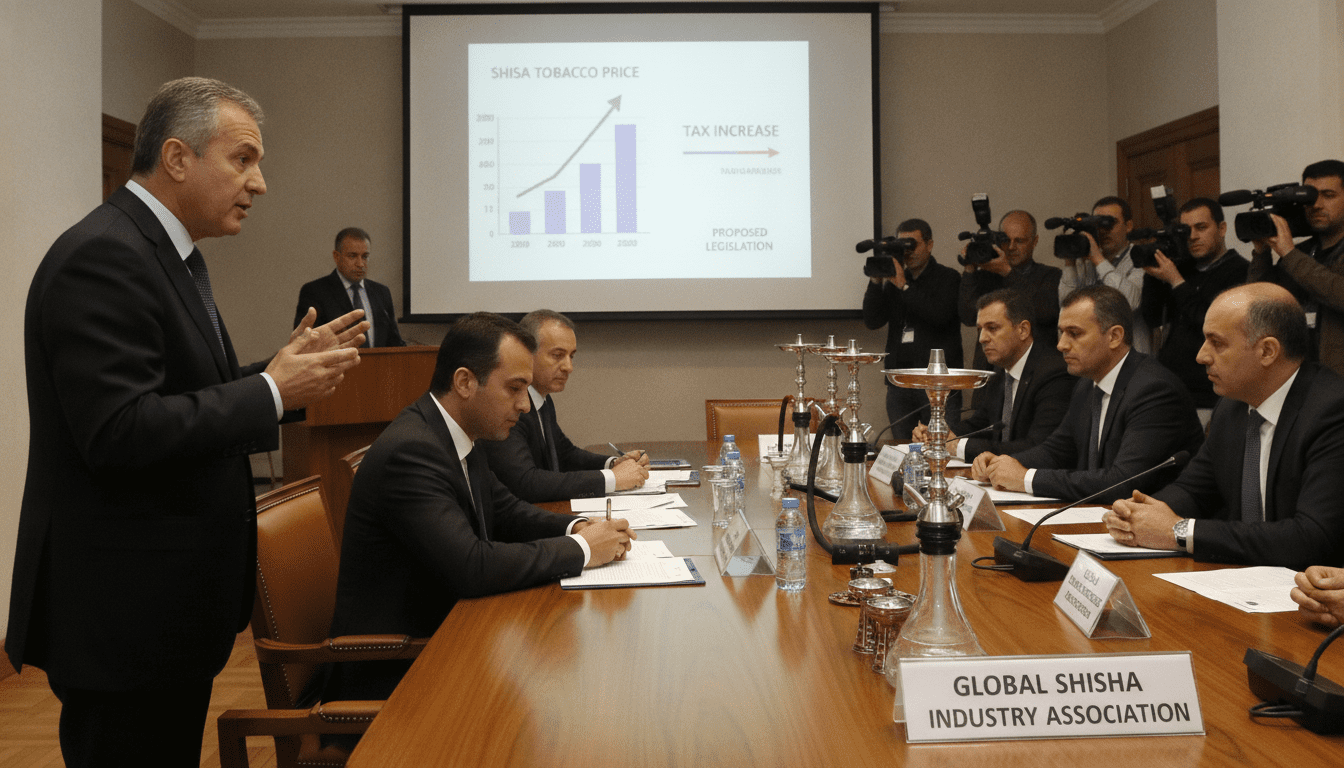
German draft would raise the shisha tobacco tax from €56/kg to €188.46/kg by 2030, doubling retail prices and prompting industry warnings of a black‑market surge.
The Federal Ministry of Finance has circulated a draft amendment that would sharply increase the shisha tobacco tax, commonly referred to as the shisha tobacco tax, with the change phased in through 2030. Under the proposal, the current tax burden of roughly €56 per kilogram of waterpipe tobacco would rise to €188.46 per kilogram, a jump that observers say will substantially raise retail prices. Industry representatives warn the move could double the price paid by consumers and fuel illicit trade, while the ministry frames the change as part of broader tobacco taxation policy. Lawmakers and market participants now face a fast-moving debate over revenue, public health goals and unintended consequences.
Draft from Finance Ministry would raise tax to €188.46/kg by 2030
The draft text circulated by the finance ministry sets a clear numerical target and a timetable for implementation, with the full rate due to take effect by 2030. Officials say the increase is part of a general review of tobacco levies designed to harmonize taxation across product types. The proposal links rates to a per-kilogram basis for waterpipe tobacco, which has historically been taxed at lower levels than cigarettes and other tobacco products. The ministry has not publicly released a full impact assessment, leaving questions about transitional arrangements and exemptions.
Projected retail prices could rise to €250–€300 per kilogram
Industry estimates indicate the tax rise would translate into significantly higher consumer prices for shisha tobacco, with retail margins and packaging costs added on top. The Federal Association for Waterpipe Tobacco calculates that retail prices could climb to roughly €250–€300 per kilogram if the tax reaches the level set out in the draft. Such increases would alter the economics of self-supply and commercial sales for cafes and private consumers. Analysts warn that steep, concentrated price jumps often push demand into lower-cost channels, changing market structure rapidly.
Industry association warns of larger black market
Representatives of the waterpipe tobacco sector have issued stark warnings about unintended side effects of the planned increase. Folke Rega of the Federal Association for Waterpipe Tobacco said the move could prompt a rise in illicit sales and cross-border smuggling if legal products become prohibitively expensive. The association cites experience from other tobacco segments where sharp tax rises without parallel enforcement capacity coincided with an expansion of undocumented trade. Lawmakers will need to weigh those enforcement risks alongside revenue and health objectives.
Fiscal and public-health rationales collide in debate
Proponents of the increase argue that higher taxes are a proven tool to reduce tobacco consumption and to generate public revenue for health programs. The finance ministry frames the amendment as correcting a long-standing tax disparity that left waterpipe tobacco taxed at comparatively low rates. Opponents counter that targeted public-health outcomes require complementary measures—such as public education, cessation support and enhanced customs enforcement—to avoid perverse incentives. The fiscal benefit to government coffers will depend on how much legal consumption falls versus how much shifts into unregulated markets.
Parliamentary timetable and likely amendments ahead
The draft will now proceed to consultations with industry groups, health agencies and parliamentary committees before any vote. That process typically produces amendments, transition measures and sometimes exemptions for small producers or certain product forms. Political parties will also calculate the electoral and social implications of a policy that directly raises prices for a niche but visible part of the tobacco market. If negotiations follow normal legislative practice, stakeholders can expect several months of debate before a final law is approved and the phased increases begin to take effect.
Public-health advocates, industry representatives and fiscal officials will all press their cases as the proposal moves through committee stages. The balance struck in those negotiations will determine whether the policy achieves its stated objectives or whether enforcement and market dynamics undermine its aims. Ultimately, the practical outcome will hinge on the details of implementation and the readiness of authorities to prevent an expansion of illegal trade.
