
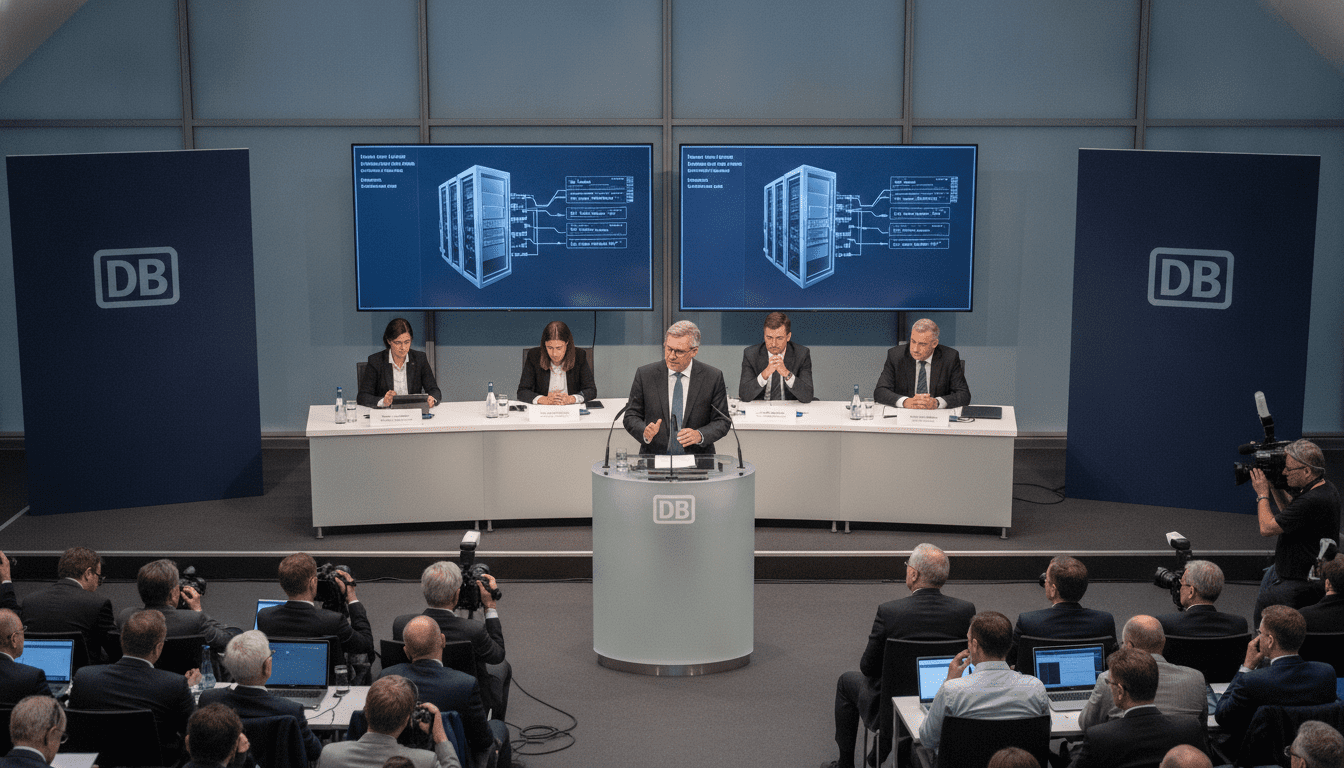
Deutsche Bahn faces fresh criticism after radio outage and cascading digital failures
Deutsche Bahn suffered a nighttime radio outage that halted services for over an hour, spotlighting systemic weaknesses in signaling and digital infrastructure across the network.
Nighttime radio maintenance left trains immobilized
Deutsche Bahn said routine maintenance on its train radio system late on a Tuesday evening disabled communications and left operators unable to dispatch trains for more than an hour. The operator also reported that a backup communications system did not take over as designed, which extended the service interruption and forced a temporary halt to operations in affected areas.
The disruption came amid a spell of unusually high temperatures that have added stress to track and equipment, but company statements and operational reviews point to the immediate cause being the failure of maintenance and redundancy procedures. Passengers experienced cancellations and delays while railway staff worked to restore safe communications.
Multiple layers of redundancy failed simultaneously
Railway safety systems typically rely on several overlapping safeguards so that a single fault does not stop traffic. In this incident, those fail-safes did not perform as expected, raising questions about maintenance protocols and testing of fallback systems. Industry observers note that when multiple protections break down at once, the resulting incidents are often the most visible and politically damaging.
Deutsche Bahn has acknowledged the event and initiated internal investigations into why the reserve radio system did not engage. Regulators and parliamentary transport committees are expected to seek briefings and technical reports to determine whether procedural or technical shortcomings are to blame.
Digital signaling projects remain behind schedule
The radio outage adds to a string of high-profile setbacks in Deutsche Bahn’s digitalization and signaling programs. Large projects intended to modernize train control and communications have encountered persistent delays, technical problems and installation errors. The Stuttgart station redevelopment, for example, has seen the timetable for full deployment of its digital control systems pushed back to 2031.
On long-distance corridors where track renewals have been completed, the promised digital train control systems are not yet ready, and rollout schedules extend into the 2030s. In some recently upgraded sections, older control systems remain in use and trains are running slower than before the renovation because the new technology is not yet fully integrated.
Software errors and station disruptions — the Cologne case
A high-profile example of digital rollout troubles occurred during a planned upgrade near Cologne. When a new signal control system was scheduled to come online, a software fault meant the planned cutover failed and a major station had to be largely closed for several days. The unresolved problem requires another lengthy closure next year to correct the implementation and validate the software, a development that underlines the operational risk of deploying complex digital systems without exhaustive testing.
Such incidents create knock-on effects across the network, as alternative routings and manual procedures reduce capacity and reliability for long periods.
Broader national pattern of troubled digital projects
Observers point to a wider pattern in Germany where major digital projects in public organisations have struggled with cost overruns, delays and integration failures. The Bundeswehr’s long-running digital communications program, for instance, has absorbed significant expenditure while still failing to achieve basic connectivity goals for some systems, illustrating challenges that stretch beyond the railway sector.
Comparative examples from other countries show that digitization can deliver productivity and resilience when projects are managed with consistent standards, trained personnel and timely procurement decisions. Critics argue that fragmented responsibilities across agencies and a cautious regulatory environment have impeded faster progress in Germany.
Public confidence and calls for structural reform
The sequence of technical faults and missed deadlines is eroding passenger confidence in Deutsche Bahn’s ability to manage a complex, modern transport system. Commuters and policymakers have demanded clearer accountability, faster remediation of known defects and stronger independent testing of new systems before they are deployed in live traffic.
Transport experts and some unions have urged a comprehensive audit of critical communications and control infrastructure, along with a prioritized program to harden backup systems and accelerate staff training on digital tools. Legislators are also considering whether procurement and oversight rules need revision to reduce fragmentation and ensure projects are delivered to internationally accepted standards.
Future performance on punctuality and network resilience will depend not only on investment but on whether Deutsche Bahn and responsible authorities can fix the technical and organizational shortfalls exposed by recent outages. The company has pledged to publish the results of its internal review and to work with regulators to restore reliability.
The recent radio outage and associated failures have underscored that hardware problems, software defects and flawed procedures can combine to disrupt service, and that addressing these risks requires both technical fixes and systemic change.
