
China exports to Europe surge, threatening key industries and jobs
Rising exports from China to Europe are outpacing EU shipments and pressuring manufacturers across the bloc, from automakers to energy-equipment makers.
Trade imbalance widens as Chinese shipments grow
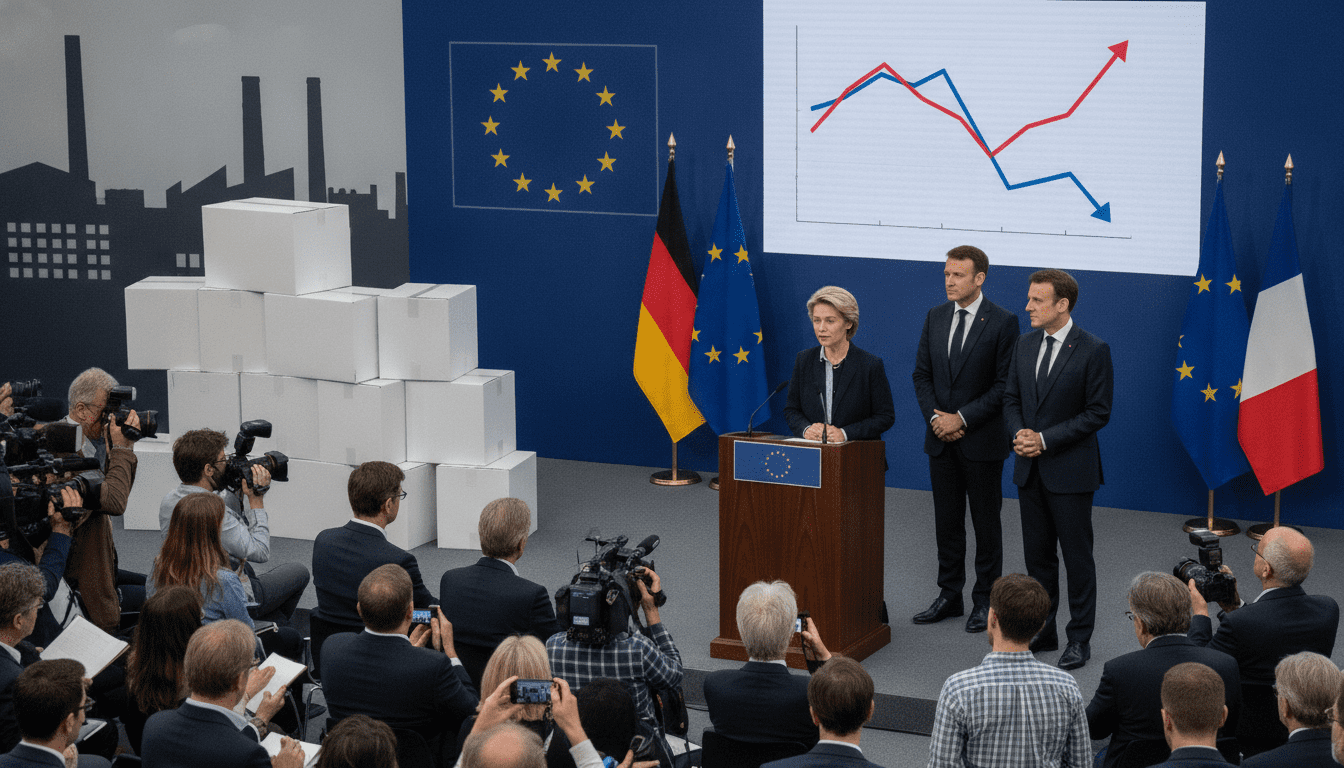
China exports to Europe are now increasing at a pace that far exceeds European exports to China, upsetting long-standing trade balances. The shift is not limited to consumer goods but increasingly includes capital and industrial products that once defined European manufacturing strength. Autos, heat pumps, wind turbines and even locomotives are appearing more frequently on shipment manifests, signaling a deeper structural challenge. Economists warn that the speed and scale of these flows are compressing margins and market share for firms across multiple sectors.
Auto sector hit highlights broader vulnerability
The slump in China sales has already produced visible results in the car industry, where major manufacturers report sharp pressures on profitability. BMW, for example, has seen its China business weaken to the point where analysts say operating margins this year could fall toward roughly one percent. That erosion of profit at marquee European manufacturers is both a symptom and a signal that global manufacturing chains and demand patterns are shifting. Industry executives say the auto case illustrates how rapidly external market dynamics can negate decades of competitive advantage.
Industrial exports now directly competing with European producers
European firms that once viewed certain heavy industrial markets as secure are finding Chinese competitors moving into the same product categories. Components and finished goods that require high engineering content are increasingly sourced from Chinese producers, some of which benefit from large domestic scale, state-directed investment and lower production costs. The result is downward pressure on prices and fewer orders for established suppliers in Germany, France and elsewhere. Suppliers further down the value chain face the prospect of lost contracts and diminished production runs, amplifying the economic ripple effects.
Brussels debate intensifies over defensive measures
Political leaders in the European Parliament and national capitals are debating how to respond as manufacturing jobs and capabilities come under strain. Manfred Weber, leader of the largest conservative group in the European Parliament, captured the mood when he warned that Europe must defend its industrial base or risk losing whole sectors. That rhetoric reflects growing urgency in Brussels, where officials are weighing trade remedies, procurement safeguards and tighter screening of foreign investment. Differences persist, however, over the mix of tools that should be deployed and the potential costs of protection for EU consumers and businesses.
Policy toolbox under consideration by EU policymakers
Officials and trade experts are canvassing a range of policy options to slow or manage the impact of rising Chinese exports to Europe. Measures under discussion include more aggressive anti-dumping and anti-subsidy investigations, targeted tariffs, stepped-up enforcement of technical and environmental standards, and selective financial support for strategic industries. Investment screening mechanisms and public procurement rules are also being examined as levers to preserve critical capabilities. Each option carries trade-offs: higher trade barriers can invite retaliation and raise costs, while subsidies and protection can distort competition and fiscal balances.
European business groups recommend combining short-term relief with long-term competitiveness measures. That approach would pair enforcement of trade rules with efforts to boost innovation, scale up green-industrial production, and diversify supply chains. Policymakers say timing is important; a delayed or piecemeal response could allow more market share to migrate away from EU producers.
Market and labor consequences are already visible
The consequences of the import surge are showing up in employment statistics and factory orders in a number of regions known for heavy industry. Job losses or reduced hiring in supplier networks are particularly acute where single large contracts or dominant buyers determine production schedules. Local economies that rely on automotive parts, energy equipment and rail manufacturing face heightened uncertainty about future investment and workforce planning. Labor unions and regional authorities are pressing national governments for sector-specific assistance and retraining programs.
Analysts caution that some adjustments are an expected feature of global competition, but they stress that the speed and breadth of current changes are exceptional. Where industries are subject to rapid technological change or green transition investments, the combination of market shifts and the need for capital expenditure can compound distress.
Europe needs a coordinated strategy that balances trade enforcement with competitive renewal. Any effective response will require clear priorities, credible enforcement of rules, and policies that help companies scale innovation without unduly fragmenting the single market.
Europe’s industrial policy choices in the months ahead will determine whether the bloc can retain technological leadership and protect jobs while remaining open and competitive. The scale of China’s exports to Europe has turned what were once manageable trade frictions into a policy test that Brussels and national capitals must resolve quickly.
