
Germany’s Transport Ministry Halts Trassenpreisförderung for Long‑Distance Rail
Germany’s Transport Ministry halts Trassenpreisförderung for long-distance rail, prompting Green accusations of retaliation and raising uncertainty for operators.
Transport Ministry halts Trassenpreisförderung for long‑distance services
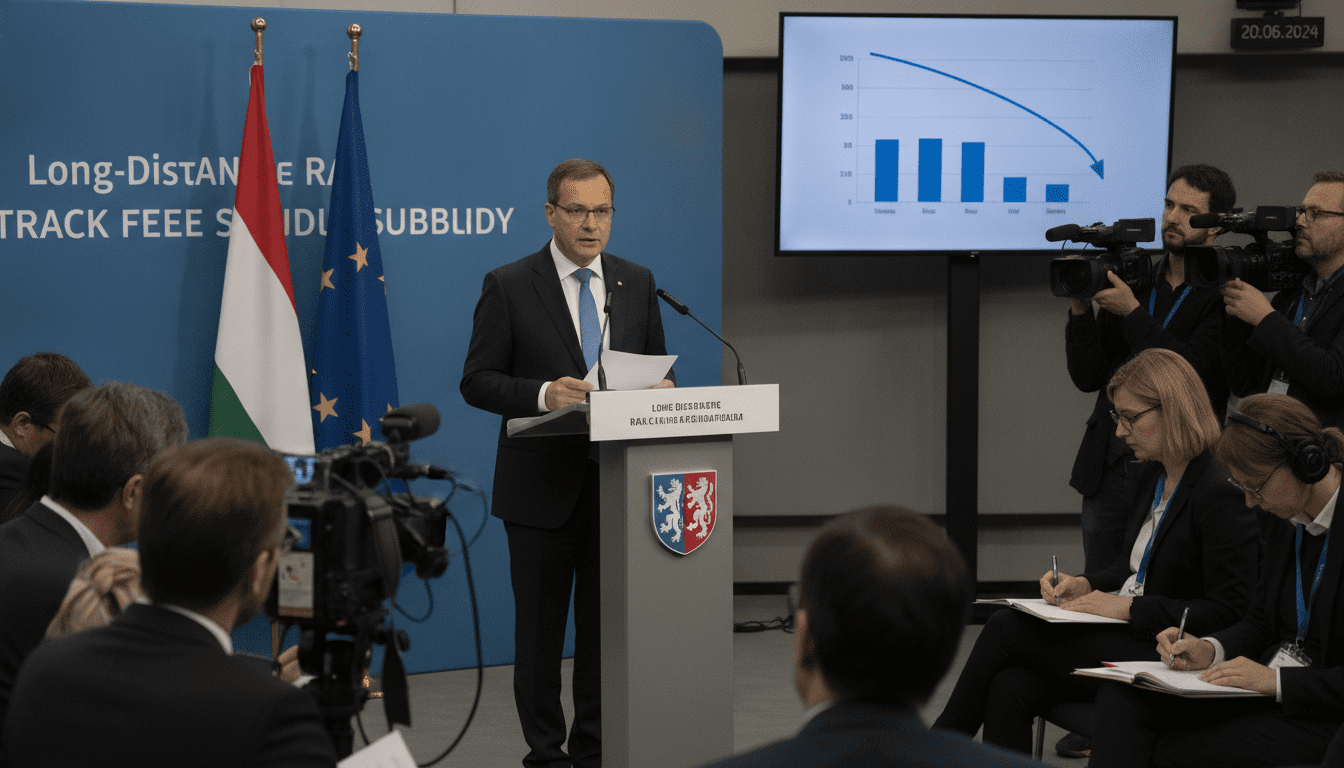
The Transport Ministry, led by Patrick Schnieder, announced an immediate stop to the Trassenpreisförderung for long‑distance rail services, saying the subsidy was “no longer indicated.” The decision removes government support for reduced track access charges that had applied to long‑distance passenger trains.
The move was framed by the ministry as an administrative adjustment rather than a permanent policy overhaul, but it takes effect immediately and applies to the specific subsidy program aimed at lowering operating costs for intercity and high‑speed services.
Minister Patrick Schnieder cites subsidy ‘no longer indicated’
In a statement, officials from the ministry used the phrase that the subsidy was “not indicated” any longer as the rationale for the withdrawal. The language suggests a judgment about current market or fiscal conditions rather than an outright ideological rejection of rail support.
The ministry did not release an extended economic analysis alongside the announcement, leaving details about the timing and the internal review that led to the decision limited to the brief public explanation provided by Schnieder’s office.
Greens call decision a ‘retaliation’ against rail leadership
The Greens reacted sharply, describing the suspension as a “retaliation” against the head of the national rail operator after recent public disagreements. Party spokespeople argued the timing and tone of the move appeared politically motivated rather than based on objective transport planning criteria.
Opposition voices warned that framing the decision as a punitive measure risks deepening political tensions around rail policy and could undermine cooperative efforts to expand sustainable mobility. The Greens have signaled they will press for further clarification and may seek parliamentary scrutiny.
How Trassenpreisförderung worked and who it helped
Trassenpreisförderung refers to government subsidies that lower the track access charges paid by train operators for use of the national rail infrastructure. By reducing those fees, the measure aimed to ease operating costs for long‑distance services and, indirectly, to keep fares more affordable for passengers.
The subsidy primarily benefited operators running intercity routes, absorbing a portion of infrastructure costs that would otherwise be passed on to companies or reflected in ticket prices. It also served as a tool to support service frequency and network coverage in competitive and high‑cost segments of the rail market.
Immediate operational and financial consequences for operators
Operators that relied on the subsidy will face an immediate recalculation of their cost base and margins if no transitional arrangements are introduced. Companies may respond by seeking compensatory funding, adjusting commercial offers, or reevaluating unprofitable routes, decisions that could affect timetables and capacity.
Short‑term impacts may include pressure on fares or an acceleration of cost‑cutting measures, but the ultimate effect will depend on whether the ministry, regulators or state shareholders step in with alternative support or negotiated transitional terms for operators.
Political fallout and possible next steps
The suspension is likely to become a focal point in parliamentary debates and could trigger inquiries demanding the ministry’s underlying assessment. Lawmakers from affected parties have already indicated they will seek more detailed justification and the data that informed the decision.
Civil society groups and industry associations are expected to call for impact assessments and contingency planning to prevent service deterioration, while the ministry may face pressure to outline a medium‑term strategy for financing long‑distance rail infrastructure access.
The coming weeks will show whether this withdrawal leads to a broader renegotiation of rail funding priorities or remains a confined administrative correction, and whether the political strains between the ministry and parliamentary parties escalate into formal challenges or policy reversals.
