
German health reform prompts family doctors to warn of strain on GP-centered care
German health reform aims to save billions from public insurance; GPs warn it could strain GP-centered care, increase waits and pressure small practices.
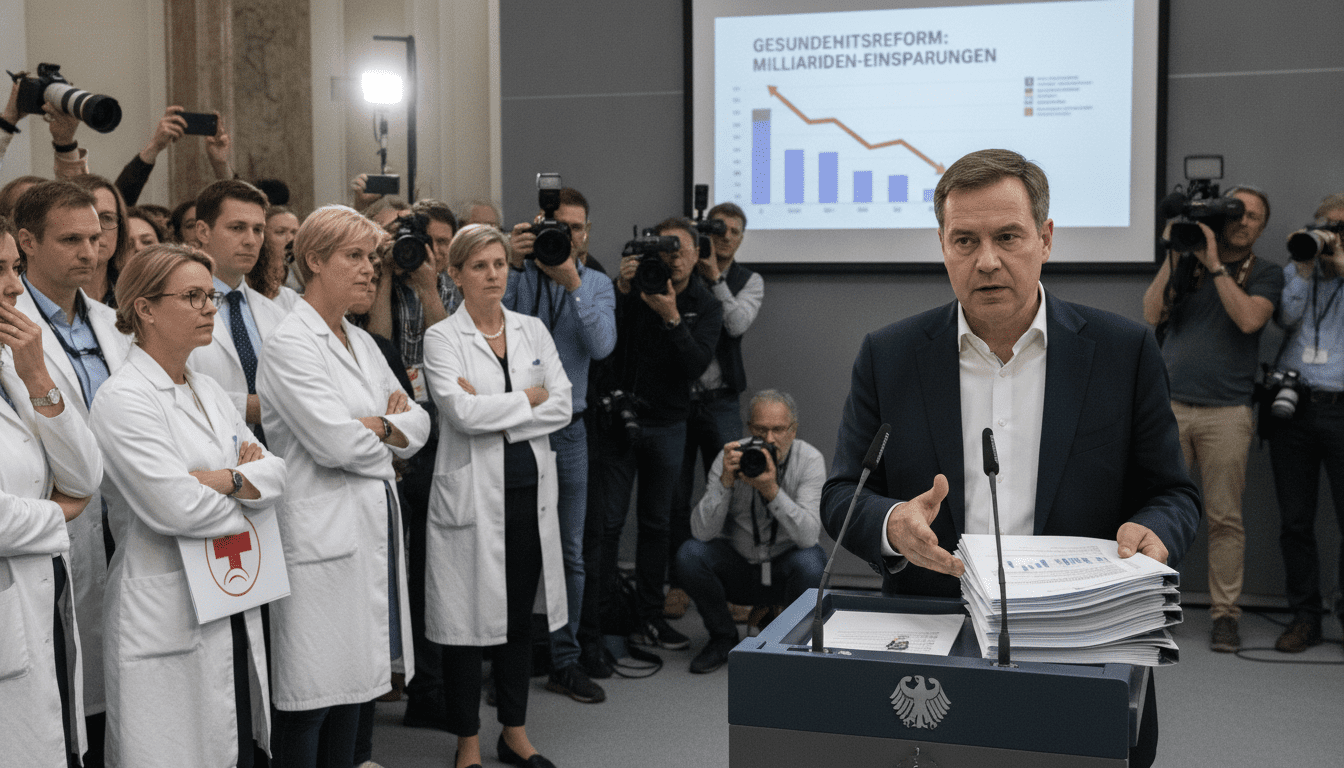
The federal government’s health reform, designed to shave billions from statutory health insurance, is drawing urgent warnings from general practitioners about downstream effects on primary care. Family doctors say the proposed savings could undercut GP-centered care, a model that positions the general practitioner as the first point of contact and gatekeeper for specialist treatment. Physicians in small-town and rural practices say that maintaining continuity and managing most complaints in primary care is already reducing unnecessary specialist visits and hospital referrals.
Government savings plan and its targets
The reform package aims to reduce spending within the statutory health insurance system through a mix of budget controls and reimbursement changes. Officials argue the measures are necessary to stabilize public finances and keep premiums manageable for insured patients. Critics counter that blunt cuts risk shifting costs onto patients and providers while eroding preventive and primary-care services that keep overall system costs lower.
The debate centers on whether savings can be achieved without degrading the structures that currently contain demand, such as coordinated primary care and gatekeeping arrangements. Proponents of targeted adjustments say carefully designed incentives and efficiency measures can protect front-line services. Skeptics warn that across-the-board reductions will be felt quickly in small practices and communities with limited specialist capacity.
A family doctor on the front line
One long-serving general practitioner in a community practice southwest of Ulm described the local impact in practical terms. Having worked in a group practice for nearly two decades, the doctor said the practice deliberately adopted a GP-centered care model so patients consult the family doctor first for most health problems. That approach ensures patients are referred to specialists only when necessary and often leads to definitive treatment within the practice itself.
The physician estimated that roughly four out of five complaints are resolved without specialist input, which reduces unnecessary appointments and inpatient admissions. The practice views itself as a care coordinator, guiding patients to the appropriate colleague when specialist intervention is required. Changes that weaken funding or incentives for this model could reverse those efficiencies and increase strain across the system.
How GP-centered care reduces specialist visits
GP-centered care emphasizes continuity, comprehensive assessment, and local decision-making, which tend to limit redundant diagnostics and direct specialist referrals. General practitioners who know patients’ histories can manage chronic conditions, triage acute symptoms, and provide reassurance or conservative treatment that avoids escalation. This gatekeeping role can reduce inappropriate specialist consultations and preserve specialist capacity for complex cases.
When primary care teams are adequately resourced, they also lower hospital admission rates by managing exacerbations early and coordinating home-based care. Policymakers seeking savings should account for these upstream benefits, say clinicians, because short-term cuts in primary care funding may trigger costlier downstream care. Maintaining investment in general practice is therefore presented by doctors as a preventive measure as much as an expense.
Potential strain on practices and patient access
Physicians warn that reductions in reimbursement or administrative support would hit smaller, rural practices hardest, where margins are already tight and staffing pressures acute. Lower funding could force practices to limit services, shorten opening hours, or reduce appointments, with patients facing longer waits or more frequent referrals to specialists. In regions with few specialists, that would translate into access bottlenecks and delayed diagnoses.
Staff shortages and rising administrative burdens are common concerns independent of the reform, and additional financial constraints could exacerbate recruitment and retention challenges. For patients, the most immediate consequences could be less continuity of care and increased travel for specialist visits, undermining the convenience and cost-savings that GP-centered care currently offers.
Policy trade-offs and possible adjustments
Experts suggest several ways policymakers might preserve savings targets while protecting primary care functions, including preserving targeted incentives for GP-centered models and shifting some administrative tasks away from clinicians. Adjusting payment structures to reward coordination, chronic disease management, and preventive care could align cost containment with quality outcomes. Pilot programs and phased implementation would allow measurement of unintended consequences before broad roll-out.
Another option is to redirect a portion of projected savings into strengthening primary care infrastructure, such as digital tools, nurse-led teams, and telemedicine, which can improve capacity without large recurring costs. Policymakers will need to weigh the political and fiscal benefits of immediate cuts against the long-term value of a functioning primary care system in containing total health expenditures.
Balancing fiscal discipline with patient access and continuity will be central to the reform’s reception among clinicians and the public.
The government’s next steps — whether to refine incentives, protect core primary care funding, or press ahead with broad savings — will determine whether the reform achieves fiscal goals without undermining the primary care foundations that many doctors say keep the system efficient and patients better served.
