
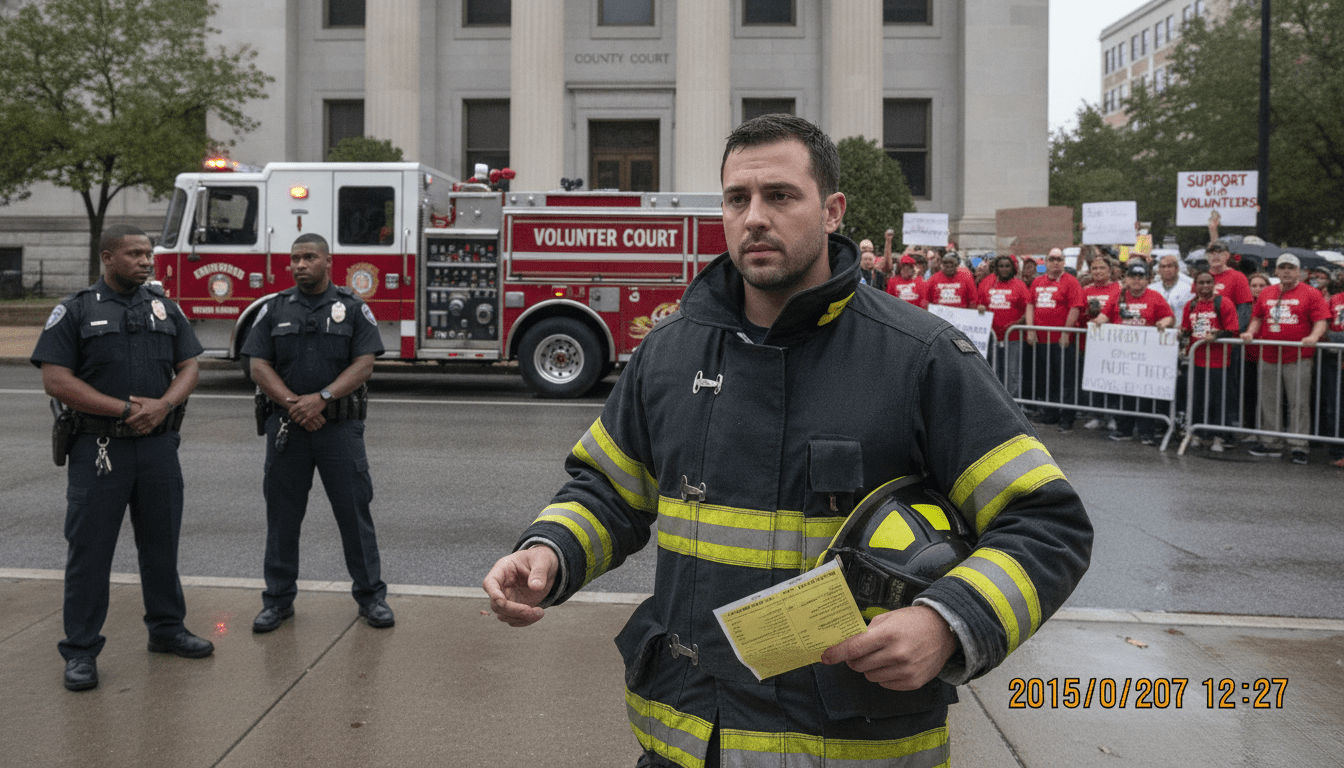
Volunteer Firefighter Fined After Speeding to Emergency in Germany
Volunteer firefighter fined after speeding to an emergency in Germany, sparking debate over enforcement and how traffic rules affect volunteer recruitment.
A volunteer firefighter was fined after driving at excessive speed en route to an emergency on June 10, 2026, a case that has reignited debate about enforcement and the pressures on Germany’s volunteer brigades. The firefighter fined for the response has raised questions about where responsibility lies when volunteers rush to save lives and property. Local officials and community members are now weighing the balance between traffic safety, legal accountability and the need to support emergency volunteers.
Details of the Incident
A volunteer crew member was stopped and issued a monetary penalty after being measured or reported exceeding the speed limit while travelling to a call. Authorities say the vehicle was not operating as a marked emergency vehicle with priority signals at the time, which is central to how traffic rules apply. The incident has been described by some colleagues as an isolated mistake and by others as symptomatic of larger operational strains.
The enforcement action did not appear to involve criminal charges, but the fine has symbolic weight for volunteers who already carry personal risk and time commitments. Local fire leadership confirmed disciplinary and administrative follow‑ups are under review while stressing that safety for road users and responders remains a priority. The fine has prompted renewed internal discussion about response protocols and the use of lights and sirens by volunteer drivers.
Traffic Rules and Emergency Driving Responsibility
Under general traffic principles, emergency responders with activated priority signals are granted precedence but remain obligated to drive cautiously and avoid endangering others. When a vehicle is not using official emergency signals, ordinary traffic law applies and speeding can lead to fines and other penalties. Legal experts note that courts and authorities typically weigh the reason for the journey, the presence of alarms and the driver’s conduct in any enforcement decision.
Fire departments and local governments must therefore navigate a narrow legal corridor: encouraging rapid response while preventing reckless behaviour on public roads. Training courses for volunteer drivers often cover defensive driving and legal limits, but application of those lessons varies by region. The case has exposed ambiguities that stakeholders say should be addressed through clearer guidance rather than ad hoc decisions.
Volunteer Recruitment and Retention Concerns
The penalisation comes amid long‑running concerns about volunteer recruitment and retention in many parts of Germany. Volunteers provide the majority of firefighting capacity outside large cities, and departments say they face rising demands on time, increased administrative burdens and the need to maintain technical skills. Incidents where volunteers are punished for conduct linked to emergency service work risk deterring potential recruits, department heads warn.
Community leaders stress that volunteers balance their civic duty with paid work and family obligations. A perception that volunteers will be exposed to legal or financial penalties for actions taken in good faith can aggravate staffing shortfalls. Several brigades have already reported campaigns to raise public awareness of the volunteer commitment and to lobby for measures that reduce personal liability for on‑call responders.
Public Reaction and Voices from the Field
Reactions have been mixed. Some road‑safety advocates say enforcement must be impartial to prevent dangerous driving, regardless of motive. Other voices from within the firefighting community argue that occasional leniency or case‑by‑case assessment is necessary when volunteers respond under time pressure. Local councillors and municipal officials are now receiving petitions and calls for clarification from both constituencies.
Firefighters speaking off the record describe scenarios where volunteers rush from workplaces or homes without time to switch to official vehicles or activate priority signals. They say this practical reality should inform how enforcement is carried out and how policies are drafted. Conversely, traffic safety campaigners point to incidents where haste has led to collisions, urging that exemptions not become a pretext for unsafe driving.
Policy Options and Operational Responses
Municipalities and fire associations are considering a range of responses, including updated driver training, clearer rules on when volunteers may use marked vehicles or emergency signals, and administrative measures to shield volunteers from disproportionate penalties. Some propose streamlined procedures for investigating emergency‑related traffic incidents to ensure context is quickly understood. Others suggest investment in dedicated rapid‑response vehicles or better dispatch protocols to reduce the need for personal‑vehicle responses.
Legal advisers recommend standardised guidance at the state level to avoid divergent local practices that create uncertainty for volunteers and enforcement agencies. Insurance and liability frameworks are also under review in some districts to clarify which costs and consequences fall on individuals, departments or municipalities. Any policy shift will require dialogue among police, fire services, insurers and elected officials.
The fine imposed on the volunteer has prompted a pragmatic debate about accountability, road safety and the practical realities of emergency volunteering, with stakeholders urging clear rules that protect public safety while supporting the people who give their time to respond.
