
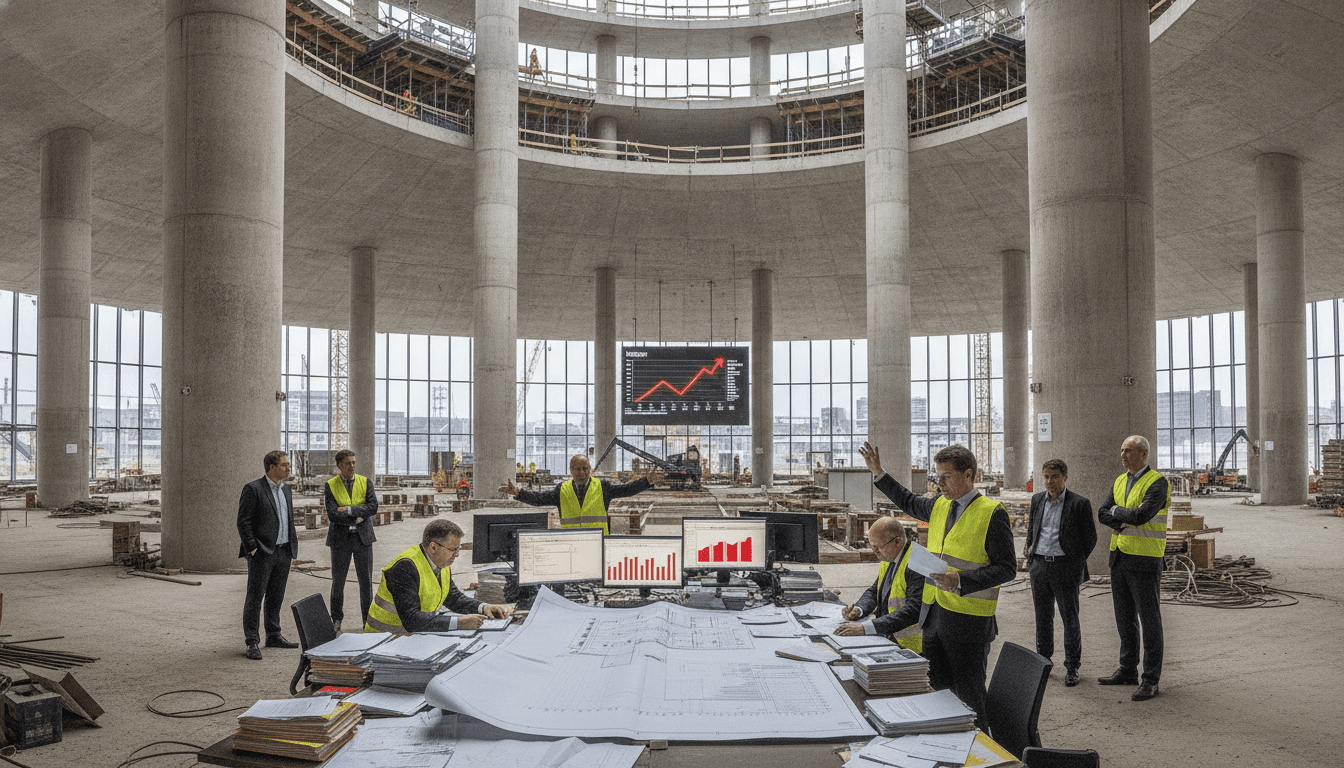
Stuttgart 21 Delay Deepens as Costs Rise and Timeline Is Reworked
Stuttgart 21 faces a fresh XXL delay, rising costs and controversial explanations; taxpayers and rail passengers brace for a longer timetable and heavier bills.
The Stuttgart 21 rail project entered a new phase of uncertainty on June 9, 2026, as planners confirmed a substantial additional delay and further cost increases that will affect both commuters and public finances. The announcement left critics and supporters alike questioning the project management and the feasibility of the revised schedule for the central Stuttgart rail hub. With engineers citing technical and regulatory hurdles, authorities now face pressure to provide clearer accountability and a realistic completion date. The unfolding developments underscore the growing gap between original promises and the project’s present trajectory.
Delay Announced and Revised Timeline
Project officials said the latest assessment requires a sizable extension to the construction timetable, moving key delivery milestones beyond previously stated targets. The revised timeline, communicated on June 9, 2026, attributes the new delay to a combination of unforeseen engineering complexities and extended approval processes. Stakeholders were told to expect phased openings rather than a single handover, but exact new dates remain provisional pending further technical reviews. Opposition politicians called for an independent audit to verify the schedule and identify where contingency planning failed.
Financial Overrun and Additional Funding Needs
Authorities acknowledged that the setback will add hundreds of millions of euros to the project’s price tag, compounding earlier budget escalations that have already drawn public scrutiny. The Ministry of Transport and Deutsche Bahn have signaled that additional funding will be required, though the precise sources and amounts are not yet finalized. Municipal and state coffers are likely to face renewed pressure, and analysts warn of knock-on effects on other infrastructure spending. Calls for tighter financial oversight and a clear recovery plan have intensified as taxpayers seek assurance that costs will be contained.
Technical Challenges Cited by Planners
Engineers reported that complex subsurface conditions, integration issues with existing rail systems, and stricter safety requirements contributed to the extended work schedule. Project managers described specific problem areas where tunnelling, station integration, or utility relocation demanded more time and resources than earlier forecasts allowed. Third-party consultants have been brought in to re-evaluate risk assessments and propose remedial paths forward. While those technical explanations aim to justify the delay, critics say they expose weaknesses in earlier planning and contracting.
Political Reaction and Public Accountability Demands
Local and regional politicians reacted sharply to the news, demanding transparent explanations and measures to prevent further overruns. Opposition parties urged immediate publication of internal reports and contracts, and some municipal leaders called for hearings to question decision-makers. Civic groups representing commuters and taxpayers organized statements condemning the lack of a credible cost-control framework. The political fallout is expected to shape upcoming debates on infrastructure governance ahead of municipal and state elections.
Impact on Commuters and Rail Operations
Rail operators warned that construction complications will affect some service patterns and could lead to extended temporary measures while key nodes remain incomplete. Passengers may face altered schedules, longer transfer times, and prolonged construction-related disruptions in and around the central Stuttgart station. Deutsche Bahn has pledged to minimize operational impacts through contingency timetables and targeted service adjustments. Nevertheless, regular commuters expressed frustration over the prospect of more years of renovation work in a vital transport corridor.
Calls for Independent Audit and Contract Review
Industry observers and civic watchdogs called for an independent audit to clarify decision-making, contract performance, and budget forecasts across all major contractors. Many experts argued that an impartial review would be the quickest way to restore public trust and provide a roadmap for remedial action. Legislators indicated they would consider legal and contractual measures if evidence of mismanagement or breach of obligations emerges. The audit’s scope is expected to include technical, financial and procurement aspects, with recommendations to be made public.
The latest developments on Stuttgart 21 mark a significant recalibration of expectations for one of Germany’s most controversial infrastructure undertakings, and they highlight the complex balance between engineering reality, political oversight and public trust.
