
EU sanctions cost Russia up to $1.5 trillion, more measures targeting 80+ actors proposed
EU says sanctions cost Russia up to $1.5 trillion; ministers propose measures against 80+ actors, targeting defence firms, rights abusers and propagandists.
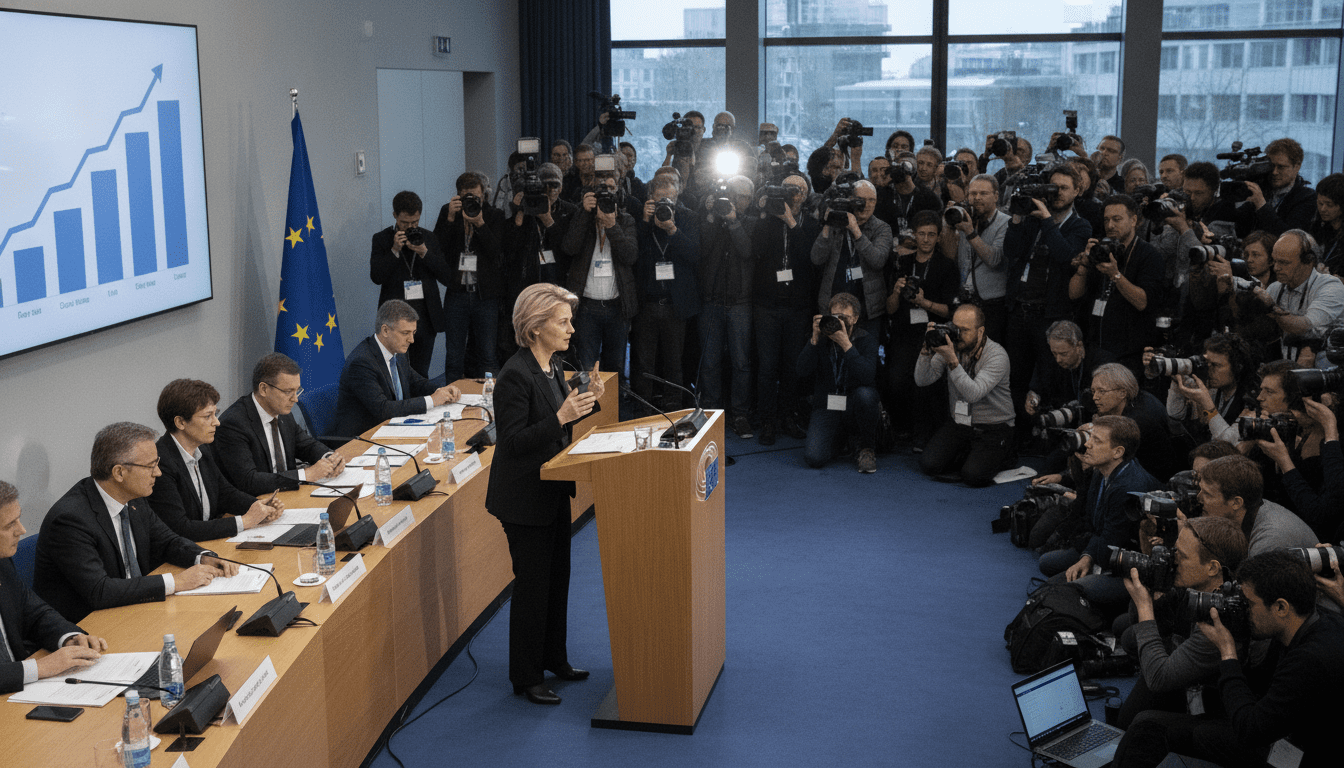
The EU says its sanctions have cost Russia up to $1.5 trillion, a figure Brussels presented as proof of sustained pressure on Moscow’s war economy. Kaja Kallas made the estimate at a press briefing during the EU defence ministers’ meeting in Nicosia, saying the losses amount to roughly €1.0–€1.3 trillion and “the numbers speak volumes.” Proposals for a new package of measures, including listings of more than 80 additional actors, are due for consideration at the foreign ministers’ meeting on June 15, 2026.
EU estimate and official statement
Kaja Kallas set out the broad contours of the assessment during a public session attended by defence and diplomatic officials. The estimate places cumulative economic damage to Russia since the imposition of Western restrictions in the latest phase of the conflict in the trillion-dollar range, according to her remarks.
She framed the figure as evidence that sanctions have progressively undermined the foundations of Russia’s military capacity and wartime logistics. Kallas said the aim is to erode the economic base that sustains the campaign, step by step, by denying key resources and technologies.
Scope of the proposed additions ahead of June 15
Officials in Nicosia said the next wave of listings targets more than 80 additional entities and individuals, with a formal proposal due at the foreign ministers’ session on June 15, 2026. The draft measures are intended to broaden the existing catalogue of restrictions rather than to replace prior designations.
According to the outline circulated by EU delegations, the new proposals would encompass companies linked to defence production, officials tied to abuses, and media figures accused of propagating disinformation. Member states will need to reconcile technical definitions and legal grounds before any measures are adopted.
Measures aimed at the military-industrial complex
The proposals on the table are explicitly designed to hit components of Russia’s military-industrial complex, EU officials said, seeking to limit access to dual-use technology, investment and financing. Sanctions targeting supply chains and service providers aim to create sustained bottlenecks for weapons production and maintenance.
Experts within delegations note that effective targeting requires granular evidence tying listed firms to defence outputs and procurement networks. The EU’s stated strategy combines sectoral measures, asset freezes, and restrictions on technology transfers to constrain capabilities without broad-based humanitarian effects.
Human-rights designations and propaganda targets
Beyond industrial measures, the planned listings also include individuals accused of human-rights violations and figures involved in state-backed information campaigns. EU officials argued that sanctioning propagandists is part of a wider effort to counter coordinated disinformation that supports the military campaign.
Designating media actors or influencers raises legal and free-speech considerations that member states are still discussing. Diplomats expect careful drafting of listing criteria to withstand judicial review and to avoid unintended impacts on independent journalism.
Implementation and enforcement challenges
Even where political consensus exists, enforcing a widened sanctions regime presents practical difficulties, officials concede. Tracing beneficial ownership, closing circumvention routes, and coordinating with third-country partners are resource-intensive tasks that require enhanced monitoring and intelligence sharing.
Member states must also ensure that national authorities have the legal instruments and staff capacity to execute asset freezes, export controls and financial restrictions. The EU’s capacity to impose penalties for breaches and to undertake rapid updates to lists will be tested if the package grows in scale.
Potential economic and geopolitical implications
Brussels frames the measures as a tool to degrade Russia’s capacity to wage war while minimising fallout for European economies. However, analysts warn of knock-on effects in trade sectors and the possibility of accelerated efforts by Russia to pivot to alternative suppliers and financial channels.
Sanctions fatigue and differing national exposures—particularly in energy and trade—remain sensitive political variables inside the bloc. Diplomats say continued unity will depend on clear evidence that listings are targeted, reversible when warranted, and paired with enforcement to prevent market arbitrage.
The EU’s forthcoming foreign ministers’ meeting on June 15, 2026 will be pivotal for whether the proposed expansions are formally adopted, with capital-level negotiations expected to continue in the days before the session. Observers say the outcome will signal how far member states are prepared to push coordinated pressure while balancing legal scrutiny and economic costs.
