
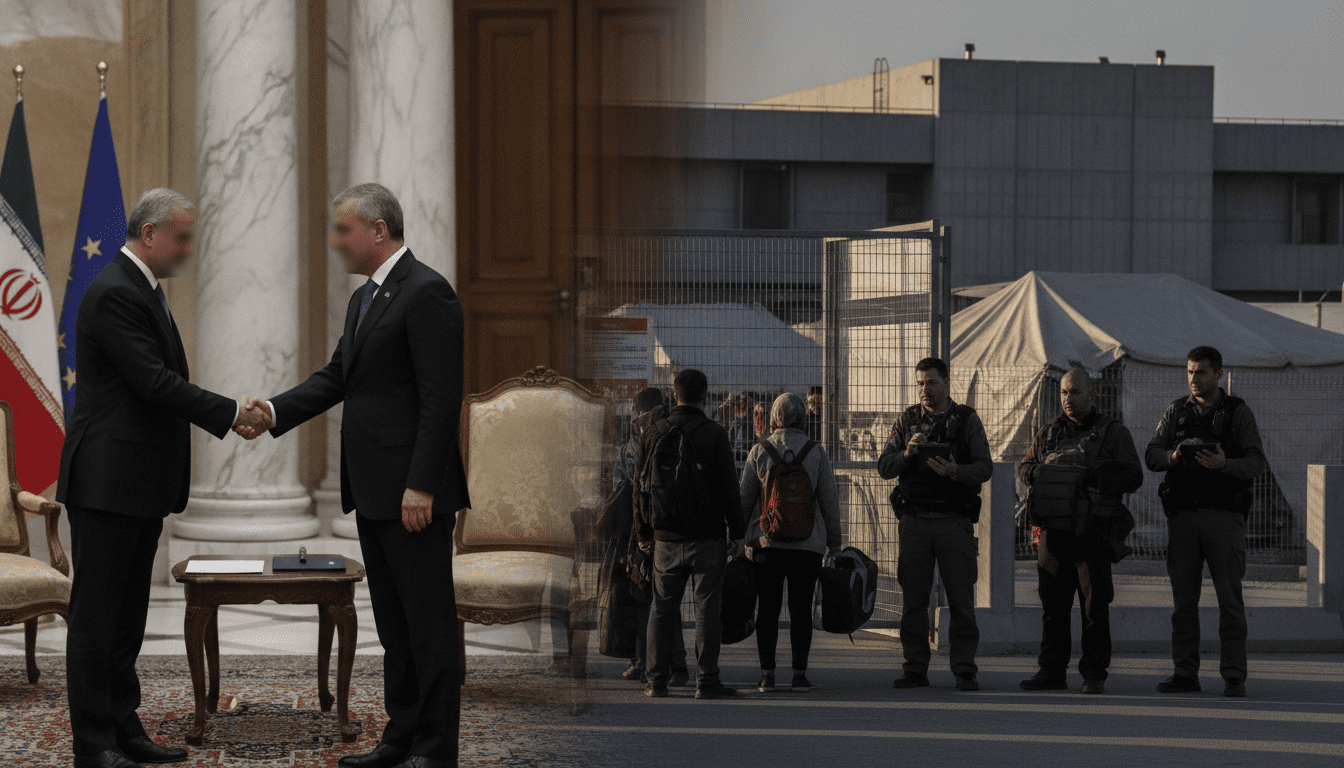
Iran De-escalation Holds for Now as Berlin Mayor Seeks Closure on Tennis Affair and EU Tightens Asylum Controls
Iran de-escalation holds for now as diplomatic contacts and restrained military posturing reduce the immediate risk of wider conflict, while Berlin’s mayor aims to move past a high-profile tennis scandal and European states adopt tougher asylum controls.
Both sides in the Iran conflict have signalled a pause in major offensive moves and emphasized diplomatic channels in recent days, producing a fragile reduction in tensions and a cautious sense of relief among regional neighbors and international mediators. The phrase “Iran de-escalation” has entered official statements and news coverage as negotiators and capitals seek time to assess options and avoid accidental escalation.
Both Sides Signal Iran De-escalation for Now
Military activity in and around the theatre of operations has dropped from its peak, with officials on multiple sides describing steps intended to avoid further escalation rather than a comprehensive ceasefire. These developments reflect a temporary alignment of strategic calculation rather than a settled resolution to the underlying disputes.
Analysts caution that de-escalation is conditional and fragile, dependent on continued communication between military commands and parallel diplomatic efforts. The situation remains volatile and subject to rapid change if incidents trigger reprisals or if political leaders shift toward harder postures.
Diplomatic Moves and International Mediation
Regional and global actors have increased discreet diplomatic engagement to translate the pause into a more durable arrangement, focusing on channels that can defuse misunderstandings and provide incentives for restraint. Envoys, backchannel talks and multilateral forums have been used to create breathing space and to discuss potential frameworks for longer-term stability.
International officials say the current lull offers an opportunity to address immediate risks such as the safety of commercial shipping and civilian infrastructure, while exploring confidence-building measures. Yet the absence of a formal agreement means that diplomats face an uphill task to convert temporary quiet into sustainable arrangements.
Berlin Mayor Seeks to Put Tennis Affair Behind the City
In Berlin local government, the city’s governing mayor has publicly signalled a desire to draw a line under a widely reported tennis-related scandal that has dominated headlines and political debate. The mayor’s statements emphasise a return to routine governance and efforts to limit further political fallout from the episode.
Opposition figures and civic groups contend the matter requires fuller scrutiny, while supporters insist that prolonged attention distracts from pressing municipal concerns such as housing and public services. City officials say they will pursue internal reviews where necessary but are prioritising day-to-day administration and longer-term policy agendas.
EU Tightens Asylum Measures and Border Enforcement
Across Europe, member states and EU institutions have pushed forward measures intended to reduce irregular arrivals and to accelerate processing and returns, a trend framed by governments as necessary to preserve capacity and public order. Policy changes range from stepped-up border patrols to expedited procedures aimed at distinguishing protection cases from other migrants more rapidly.
Humanitarian organisations warn the measures risk undermining asylum safeguards and increasing pressure on vulnerable people who are seeking protection. The debate highlights a recurring tension in European politics between security-oriented migration management and obligations under international law to protect those fleeing persecution.
Implications for Policy and Public Opinion
The convergence of international de-escalation, local political controversies and tougher migration policies is shaping a complex public discourse that crosses foreign, domestic and municipal policy arenas. Policymakers must balance immediate risk reduction with sustained engagement on the political and humanitarian drivers at the root of each issue.
Public opinion is likely to respond to perceived government competence in managing crises while safeguarding rights and services, and the upcoming weeks will test the durability of current approaches. Political leaders who can show measured responses and clear plans may gain public trust, while missteps could deepen polarisation on multiple fronts.
The pause in hostilities that commentators call Iran de-escalation provides a short window for diplomatic work, but it does not remove the underlying drivers of conflict or the domestic pressures facing European capitals. Governments and civil society will now face choices about whether to use this interval to pursue deeper agreements, to conduct transparent reviews of contentious episodes such as the tennis affair in Berlin, and to reconcile border-control measures with humanitarian responsibilities.
